
The Founding of Laayoune: A Historical Overview Laayoune, a city in the Western Sahara region of Morocco, was founded in 1938 by the Spanish Captain Antonio de Oro. This establishment occurred during a time when European powers were keen on expanding their territorial claims in Africa, particularly in response to the prevailing socio-political dynamics of the period. Spain sought to reinforce its presence along the Atlantic coast of Africa, and Laayoune served as a pivotal military outpost for these intentions. The strategic significance of Laayoune lay in its location, which provided vital access to the expansive desert interior and the Atlantic Ocean. Captain de Oro’s decision to build a stronghold at this juncture was influenced by various factors, including the need to assert Spanish dominance amid rising tensions with other colonial powers and local tribes. The outpost not only functioned as a military base but also acted as a control point for trade routes and local mineral resources. The early years of Laayoune were marked by Spanish efforts to consolidate their control over the region. The establishment of the outpost was met with both resistance and cooperation from the indigenous Sahrawi population. Spanish authorities endeavored to develop the area, leading to the construction of essential infrastructure and the establishment of administration systems. Such developments were aimed at managing the socio-economic landscape, setting the foundations for the city’s future growth. In summary, the founding of Laayoune in 1938 represented a significant chapter in the region’s colonial history, reflecting broader themes of territorial expansion and geopolitical ambition. As Laayoune evolved from a military outpost into a thriving urban center, it also became a symbol of the complex interactions between colonial powers and local communities in the broader narrative of Moroccan history. The Role of Laayoune as the Capital of Spanish Sahara Laayoune, established in 1938, emerged as a significant administrative center during the period of Spanish Sahara’s governance. As the capital, Laayoune was pivotal in facilitating the Spanish colonial policy, which was aimed at extending Spain’s influence over the territory. The city’s establishment coincided with the broader efforts of imperial expansion by Spain in northern Africa. It served as the administrative heart for overseeing both the local population and the European settlers, embodying the intersection of colonization and local governance. During this period, the Spanish government implemented a series of regulations designed to manage the population and exploit the natural resources of the region. The administration of Laayoune operated under a strict hierarchical structure, where Spanish officials had significant control over the local affairs. The governance practices often marginalized the local Sahrawi population, leading to a complex relationship fraught with tension and resistance. Fulfilling Spain’s colonial objectives, Laayoune became a hub for military and administrative activities, enhancing the region’s strategic importance. Key developments during Laayoune’s rule as the capital included the construction of infrastructure such as roads and communication systems, which facilitated the movement of military, goods, and information. This infrastructure also laid the groundwork for future economic development in the region. Additionally, the establishment of educational institutions aimed at promoting Spanish language and culture had significant implications for the local populace, as it aimed to integrate them into the colonial framework. The city’s role as a focal point of governance not only shaped the administrative landscape but also influenced the socio-economic dynamics within the territory. The changes instituted during this epoch marked critical developments that would have enduring effects on the people of Spanish Sahara, setting the stage for future political movements and the quest for autonomy. Transition to Moroccan Administration: The Shift in 1976 The year 1976 marked a pivotal moment in Laayoune’s history as the city transitioned from Spanish colonial rule to Moroccan administration. This shift was deeply intertwined with the larger context of decolonization in Africa, a process that saw various territories gaining independence from European powers. Following a prolonged period of tension and conflict characterized by increased nationalist sentiments in Western Sahara, the region was on the brink of significant change. One of the most notable events leading up to this transition was the Green March in November 1975, spearheaded by the Moroccan government. This non-violent demonstration involved thousands of Moroccans marching towards the Western Sahara border, intent on claiming the territory. The initiative aimed not only to assert Morocco’s claims over Western Sahara but also to galvanize national unity and showcase the Moroccan populace’s resolve to reclaim what they considered their historical lands. International reactions to the Green March varied, with some nations supporting Morocco’s position, while others expressed concern over the potential for violence and instability in the region. As a direct result of the Green March and subsequent negotiations, Spain began to reconsider its hold over Laayoune and the surrounding territories. The transition culminated in the signing of the Madrid Accords in 1975, which laid the groundwork for the withdrawal of Spanish forces and the partitioning of Western Sahara between Morocco and Mauritania. By early 1976, Laayoune and much of the surrounding area came under Moroccan control, significantly altering the socio-political landscape within the city. The impact of this transition on Laayoune’s residents was profound. Many were forced to adapt to the new governing authority, which initiated a series of infrastructure projects aimed at integrating Laayoune into the broader Moroccan national framework. While some citizens welcomed the Moroccan administration for promising economic development and stability, others resisted, resulting in an ongoing conflict stemming from competing national identities and claims to the land. Infrastructure Investments: Building a Modern Oasis Since 1976, Laayoune has significantly evolved from a modest Spanish outpost into a bustling urban hub, largely due to substantial infrastructure investments. These enhancements have played a pivotal role in elevating the city’s status as a modern oasis in Morocco. One of the primary focuses has been on transportation, with the establishment of modern road networks and improved public transit systems. These developments not only promote local mobility but also streamline connections to neighboring regions, thereby fostering trade and tourism. Moreover, the expansion of the
Exploring Southern Morocco: Your Guide to Layyoune Airport and Nearby Destinations
Introduction to Southern Morocco Southern Morocco is a region characterized by its diverse landscapes, rich cultural heritage, and vibrant traditions that attract travelers from around the world. Stretching from the coastal cities along the Atlantic Ocean to the arid expanses of the Sahara Desert, this part of Morocco presents an intriguing blend of natural beauty and historical significance. One of the key attractions of Southern Morocco is its remarkable topography, which includes mountains, deserts, and coastal plains. The High Atlas Mountains provide a stunning backdrop, while the vast Saharan landscapes invite adventure and exploration. The region is also home to various oases, where visitors can experience the beauty of palm groves and traditional Berber villages. In terms of culture, Southern Morocco is predominantly influenced by Berber traditions and customs, which are evident in the local architecture, cuisine, and festivals. Each town and village presents a unique cultural narrative, often highlighted through colorful souks (markets) and artisanal crafts. For example, cities like Taroudant and Tiznit are renowned for their silver jewelry and traditional handicrafts, showcasing the artistic skills passed down through generations. This blog post will delve into Southern Morocco’s main destinations accessible via Layyoune Airport, including the charming coastal city of Layyoune, the majestic dunes of Merzouga, and the historical sites of Tiznit and Taroudant. Each of these areas offers a variety of attractions that cater to both adventure seekers and culture enthusiasts, making Southern Morocco a compelling choice for any traveler looking to experience the essence of Moroccan life. The Strategic Role of Layyoune Airport Layyoune Airport, officially known as Hassan I Airport, is a vital transportation hub situated in the southern region of Morocco. It significantly enhances connectivity for both domestic and international travelers, serving as a crucial gateway to several key destinations across the region. The airport plays an essential role in promoting tourism and facilitating business ventures in southern Morocco, making it an indispensable asset for the local economy. The airport’s facilities are designed to accommodate a diversity of travelers. It features a range of essential amenities, including car rental services, cafes, and retail shops. These amenities ensure a comfortable and efficient experience for those arriving or departing. With a modern terminal building, Layyoune Airport is equipped to handle both passenger and cargo flights, further adding to its importance in the region’s infrastructure. As for flight operations, Layyoune Airport offers numerous services from various airlines. These flights connect the airport with major cities such as Casablanca, Marrakech, and Agadir, allowing for easy access through regular direct routes. The airport is pivotal in fostering connections not only within Morocco but also with international destinations, with seasonal flights catering to the influx of tourists eager to explore the unique culture and landscapes found in the region. Overall, Layyoune Airport’s strategic location and comprehensive facilities position it as a fundamental node in southwestern Moroccan travel. Its role extends beyond mere transportation, serving as a stimulant for tourism, trade, and cultural exchange in southern Morocco, further enhancing its significance in the country’s aviation landscape. Traveling to Layyoune Airport: How to Get There Layyoune Airport (LYN) serves as a key gateway to Southern Morocco, facilitating access to the stunning landscapes and vibrant culture of the region. Reaching the airport can be accomplished through several transportation modes, ensuring a convenient journey for travelers originating from nearby cities. One of the most straightforward options for getting to Layyoune Airport is via taxi. Taxis are readily available in urban centers like Layyoune and Tarfaya, providing direct transport to the airport terminals. If opting for this mode, it is advisable to negotiate the fare beforehand or verify that the meter is in use, ensuring a fair price for the trip. For those traveling from further afield, such as Agadir or Marrakech, intercity buses present a practical alternative. Buses operated by reputable companies offer comfortable seating and frequent departures, making them an efficient way to traverse the distance. These buses often stop at major towns along the way, giving travelers flexibility in their itinerary as well as the opportunity to explore the local scenery. Another option to consider is car rental, which allows for greater freedom and flexibility during your travel. Numerous rental companies operate at Layyoune Airport, and pre-booking a vehicle can save time upon arrival. Driving through Southern Morocco also provides the chance to take in breathtaking landscapes and visit attractions at your own pace, making it a memorable part of the journey. When traveling to Layyoune Airport, it is essential to plan ahead. Ensure that flight times are confirmed and consider arriving at the airport well in advance to accommodate security checks and potential travel disruptions. By understanding the available transport options and preparing appropriately, visitors can enjoy a seamless transition into the beautiful region of Southern Morocco. Exploring Laayoune: The City Around the Airport Laayoune, the capital of Western Sahara, offers an intriguing blend of culture, history, and natural beauty, making it a must-visit destination for travelers arriving at Laayoune Airport. This city serves as a gateway to explore the rich heritage and vibrant life that characterize the region. Among the key attractions, the Laayoune Museum deserves mention. It houses numerous artifacts that reflect the history and culture of the Sahrawi people. Visitors can gain insights into the unique traditions and social practices of the local community through various exhibitions. Additionally, the museum features beautiful handicrafts, allowing visitors to appreciate the artistry prevalent in the region. The Sahara Desert is an essential component of any visit to Laayoune, presenting unique opportunities for adventure and exploration. Tourists can embark on guided tours to experience dune bashing, camel rides, and stargazing, offering a deeper connection to the surrounding landscape. The desert’s vastness and ethereal beauty create an unforgettable experience for visitors. When it comes to local cuisine, Laayoune provides a delightful array of traditional dishes. The local markets buzz with vibrant colors and enticing aromas, showcasing fresh produce and spices. The renowned couscous, often served with meat and vegetable stews, is a staple

Celebrating New Year in Laayoun: A Guide to Unforgettable Events
Introduction to Laayoun’s New Year Celebrations The city of Laayoun, nestled in the stunning landscapes of Morocco, transforms into a hub of vibrant festivities as it welcomes the New Year. The significance of this celebration goes beyond mere festivities; it reflects the rich cultural heritage of the area and the unity of its residents. Every year, both locals and visitors come together to partake in a variety of events that embody the values and traditions cherished by the community. One of the most distinctive features of Laayoun’s New Year celebrations is the fusion of modern and traditional customs. Residents engage in a plethora of activities, ranging from lively street festivals to intimate family gatherings, showcasing the importance of social ties. The celebration often begins with local artisans displaying their crafts, ensuring that traditional skills are highlighted in the festivities. This connection to artistry reinforces the significance of preserving cultural legacies and promotes a sense of collective pride. Local cuisine also plays a pivotal role in these New Year celebrations. Families come together to prepare traditional dishes, which are not only a feast for the palate but also a means of expressing gratitude and hope for the coming year. Sharing these dishes among friends and loved ones further strengthens community bonds and fosters a spirit of togetherness. Moreover, Laayoun’s New Year events often incorporate musical performances and dance, celebrating the diverse cultural influences that have graced the city over the years. These performances not only entertain but also serve as an educational tool, preserving important stories and traditions for generations to come. Each celebratory event encapsulates the essence of Laayoun’s identity, making the New Year a truly memorable occasion for all involved. Historical Background of New Year in Laayoun The celebration of the New Year in Laayoun has rich historical roots that reflect the city’s vibrant cultural tapestry. Historically, Laayoun, located in the Saharan region of Morocco, has been a crossroads of various cultures and traditions, contributing to its unique New Year festivities. In the early days, tribal communities would celebrate the onset of the new year with rituals that honored agricultural cycles and seasonal changes, emphasizing their connection to the land. As the region evolved, historical events significantly influenced the way New Year was celebrated in Laayoun. For instance, during colonial periods, new influences merged with indigenous practices, leading to a distinctive blend of traditions. Key moments, such as the return of independence to Morocco in 1956, infused the celebrations with national pride, as citizens embraced a newfound sense of identity and community. This pivotal event altered not only the political landscape but also renewed interest in traditional customs, including those tied to New Year. In the contemporary context, Laayoun’s New Year celebrations illustrate the enduring nature of its cultural identity. Events encompass a mix of traditional and modern elements, showcasing local music, dance, and culinary delicacies that highlight the region’s heritage. The festivities have also adapted to embrace global influences while retaining authentic local characteristics. Through these evolving practices, the celebration of New Year continues to foster a sense of belonging and continuity among the residents of Laayoun. Key New Year Events in Laayoun The New Year celebrations in Laayoun are vibrant and filled with various activities that capture the spirit of the season. Each year, the city hosts a series of events that cater to both locals and visitors, creating an atmosphere of festivity and joy. One of the major highlights of these celebrations is the spectacular New Year’s Eve fireworks display. As midnight approaches, attendees gather in different parks and public squares to witness a breathtaking show of lights that illuminate the night sky, marking the arrival of the new year with awe and excitement. Additionally, traditional parades take place throughout Laayoun during the New Year festivities. These parades feature elaborate floats, cultural performances, and local marching bands, showcasing the rich heritage of the region. The streets come alive with music and dance, encouraging onlookers to participate in the revelry. Families often attend these parades together, creating memorable moments that reflect the communal spirit of Laayoun. Moreover, concerts held throughout the celebrations attract both national and international artists, offering a diverse range of music genres. Local venues, as well as outdoor spaces, are filled with sounds that resonate with the festive mood. Such concerts provide opportunities for attendees to enjoy live performances and engage with the entertainment that is synonymous with New Year celebrations. In addition to these highlights, various food and craft markets set up stalls offering delectable local cuisines and handcrafted items. This aspect not only enhances the enjoyment of the celebrations but also supports local artisans. The combination of vibrant parades, captivating concerts, and local markets makes the New Year in Laayoun a truly unforgettable experience for all participants. Local Cuisine and New Year Feasts Laayoun’s New Year celebrations are not just a feast for the eyes; they are also a remarkable experience for the taste buds. At the heart of these festivities lies a vibrant array of traditional dishes, each crafted with care and flair, showcasing the region’s rich culinary heritage. During this time, various families and communities prepare meals that reflect both the season and the cultural significance of the New Year. One of the staple dishes enjoyed during the New Year festivities in Laayoun is couscous, often served with a hearty stew made from seasonal vegetables and tender meats, such as lamb or chicken. This dish symbolizes prosperity and unity, bringing families and friends together around the dinner table. Coupled with freshly baked bread, which is a common sight on festive occasions, couscous takes center stage as families share not only food but also stories and laughs, deepening their bonds. In addition to couscous, you can also find pastilla, a savory pastry filled with spiced pigeon or chicken, and adorned with a dusting of powdered sugar and cinnamon, offering a delightful combination of sweet and savory flavors. This dish is usually reserved for special occasions, making it a must-have during

Exploring Laayoune Airport: A Historical Overview and Transportation Guide to the City Center
The Historical Significance of Laayoune Airport Laayoune Airport, located in Western Sahara, holds a pivotal position in both historical and contemporary contexts. Established initially as a military airbase in the late 1930s under Spanish colonial rule, its original purpose was to support military operations in the region. The geographical location of the airport made it a strategic asset during the Second World War, where it served as a stopover point for aircraft traveling between Europe and Africa. Following the decolonization of Western Sahara, Laayoune Airport transitioned into a civilian air transport hub. In the years leading up to the 1975 Madrid Accords, it played a vital role in facilitating the movements of both military personnel and humanitarian assistance amidst the political turmoil that characterized the region. The airport’s importance further escalated during the subsequent conflicts, acting as a critical logistical center for military operations and operations relating to peacekeeping efforts. Throughout the 1980s and 1990s, Laayoune Airport underwent significant renovations, enhancing its capabilities to accommodate growing civil aviation needs. As the demand for air travel in the region increased, the airport expanded its runway, improved passenger facilities, and introduced modern aviation technology. These developments allowed Laayoune Airport to serve as a key transportation node, linking the city to major Moroccan cities as well as international destinations. Today, Laayoune Airport stands as an essential air transport hub, reflecting its evolution from a military base to a crucial contributor to the region’s connectivity and economic development. Keeping in mind its rich history, the airport continues to serve as a symbol of the area’s resilience and growth, welcoming both travelers and cargo alike, thereby supporting the fluctuating dynamics of air travel in this strategically significant locale. Current Features and Services at Laayoune Airport Laayoune Airport, serving the capital city of the Laayoune-Sakia El Hamra region in Western Sahara, has evolved significantly to meet the needs of modern travelers. This airport boasts a single terminal that handles both international and domestic flights, making it a key transport hub in the area. With airlines such as Royal Air Maroc and Air Arabia Morocco operating regular services, travelers can access several destinations including Casablanca and Madrid, ensuring connectivity for both business and leisure travelers. The terminal is designed to enhance passenger experience, featuring various facilities that cater to diverse needs. Among the prominent offerings, travelers can find lounges that provide a quiet retreat for relaxation before flights or layovers. Additionally, the airport hosts a selection of dining options, ranging from local Moroccan delicacies to familiar international fare, catering to the tastes of all passengers. For those arriving in Laayoune for the first time, the airport also facilitates car rentals through several reputable companies, ensuring that visitors have access to transportation for their onward journeys. Moreover, the custom services provided at Laayoune Airport are notably efficient, allowing for a smooth and hassle-free arrival process. Unique to Laayoune Airport is its dedication to showcasing local culture through small exhibits featuring regional art and handicrafts. These displays not only enrich the travel experience but also allow visitors to gain a deeper appreciation of the local heritage. Travelers will also find shops offering traditional goods, making it convenient to purchase souvenirs before departure. Getting to the City Center from Laayoune Airport Laayoune Airport, located in the capital of Western Sahara, provides various transportation options for travelers looking to reach the city center efficiently. One of the most popular choices is to utilize taxi services available at the airport. Taxis are typically stationed just outside the arrivals terminal, making them a convenient option for those who wish to begin their journey promptly. The fare to the city center usually ranges from 80 to 120 Moroccan dirhams, depending on the time of day and negotiation skills of the passenger. The trip takes approximately 15 to 20 minutes under normal traffic conditions. Alternatively, travelers can make use of shuttle services that may be offered by certain hotels or tour operators. These services may need to be pre-booked, but they can provide a comfortable ride directly to your accommodation. Pricing for shuttle services varies widely, typically ranging from 50 to 150 dirhams per person, depending on the service provider. This mode is particularly beneficial for groups as it typically offers a more economical rate per person. For those looking to experience the local way of commuting, public buses are another option. Though less frequent, the local buses that travel to and from Laayoune Airport can be an adventurous and cost-effective choice. The fare is notably lower compared to taxis, often under 20 dirhams, but it comes with considerations regarding the schedules and travel times, which can be less predictable. The bus routes usually stop at various key points in the city, ensuring an accessible journey for those wanting to explore Laayoune further. Tips for Travelers at Laayoune Airport Traveling to Laayoune Airport can be a seamless experience if travelers are aware of the various procedures and customs associated with the airport. First and foremost, understanding the check-in procedures is essential. Upon arrival at the airport, travelers should allow sufficient time for check-in, baggage drop, and security checks. It is advisable to arrive at least two hours before the scheduled departure to accommodate any unexpected delays. Local customs play a significant role in enhancing the travel experience. When interacting with local staff or passengers, politeness and respect are paramount. Greetings in Arabic, such as “Salam” for hello, can be appreciated by locals, making interactions more pleasant. Having a basic understanding of the language not only enhances communication but also helps in building rapport. Safety is a priority in all travel situations. At Laayoune Airport, it is crucial to be vigilant about personal belongings and to comply with local regulations regarding customs and security. Travelers should stay updated on any changes to safety protocols, as they may vary based on current circumstances. Upon arrival, several services will aid travelers in settling into Laayoune. Currency exchange facilities are available in the airport; however, it is wise
Exploring Laayoun City and Its Surrounding Areas: Top Activities and Attractions
Introduction to Laayoun City Laayoun City, also referred to as El Aaiún, is a prominent urban center in the Western Sahara region of Morocco. It serves as the capital of the Laayoun-Sakia El Hamra region and is strategically situated near the Atlantic coast, providing it with a unique geopolitical relevance. The city is characterized by its expansive desert landscapes and coastal beauty, which set it apart from other urban areas in Morocco. The cultural significance of Laayoun extends beyond its geographical boundaries. It is a hub of Sahrawi culture, reflecting the traditions and customs of the people who have inhabited this region for centuries. This rich cultural heritage is palpable in the city’s festivals, culinary offerings, and vibrant arts scene, making it a fascinating destination for visitors seeking an authentic Moroccan experience. Historically, Laayoun has witnessed numerous developments that have shaped its current identity. Originally a small Berber settlement, it evolved into a key administrative center during the Spanish colonial period. This historical backdrop contributes to its architectural diversity, blending traditional Sahrawi designs with colonial influences. Today, the city is a focal point for discussions about territorial and cultural autonomy, further enriching its historical narrative. Laayoun’s surroundings complement the urban experience, with various natural and cultural attractions a short distance away. The nearby coastal regions provide excellent opportunities for water sports and exploration of marine life, while the vast Sahara Desert invites adventurous activities such as dune surfing and camel trekking. The diverse landscapes surrounding Laayoun enhance the city’s appeal as an attractive destination for travelers who wish to delve into both its cultural significance and natural beauty. Must-Visit Attractions in Laayoun Laayoun City is a vibrant destination that showcases a blend of cultural heritage and natural beauty. Visitors to this Moroccan city will discover a range of attractions that offer engaging experiences. One of the most iconic landmarks is the Laayoun Museum, which provides insight into the region’s history and culture. The museum houses a variety of artifacts, including traditional crafts and exhibits that reflect the local way of life. Another highlight is the Place de la République, a central square surrounded by shops and cafes, providing a lively atmosphere where both locals and tourists gather. It is an excellent spot to experience the pulse of the city while sampling street food or enjoying local specialties. A stroll through this area offers a peek into the daily life of Laayoun’s residents. For those interested in green spaces, the Parc Bouregreg is an essential attraction. This expansive park offers a serene environment ideal for leisurely walks and picnics, with stunning landscapes that include palm trees and beautiful gardens. It serves as a perfect counterbalance to the urban scenery and is a favorite among families and nature enthusiasts. Additionally, the Al Marsa Beach is a nearby natural site that attracts visitors for its scenic beauty and recreational activities. Its sandy shores and clear waters provide opportunities for swimming, sunbathing, and water sports, making it a perfect retreat from the city’s hustle. The beach’s charm is heightened by its coastal views that captivate anyone looking to unwind. Exploring these must-visit attractions in Laayoun allows travelers to immerse themselves in the city’s rich offerings, whether it be through historical insights, vibrant community life, or natural beauty. These highlights are essential to any itinerary, promising a comprehensive experience of this unique destination. Outdoor Activities and Adventures Laayoun City and its surrounding areas provide an abundance of outdoor activities and adventures catering to a wide range of enthusiasts. Among the most sought-after experiences are hiking, water sports, and desert excursions, all of which showcase the region’s stunning landscapes and diverse ecosystems. For hiking enthusiasts, the nearby Anti-Atlas mountains present an excellent opportunity to explore winding trails that offer breathtaking views. Popular hiking routes, such as those leading to the enchanting Ait Mansour Gorges, are suitable for various skill levels, from beginners to experienced hikers. It is essential to prepare adequately by packing suitable footwear, sufficient water, and snacks to sustain energy throughout the journey. Water sports aficionados will find several options available in Laayoun. The coastline along the Atlantic Ocean is ideal for activities such as surfing, paddleboarding, and kayaking. The most popular beaches, including Plage de laayoun and Plage de Cap de l’eau, provide ample opportunities for both relaxation and adventure. Visitors can either revel in the thrill of riding waves or take part in guided tours to explore the stunning coast from the water. Ensuring you are aware of local weather conditions and safety regulations is paramount to enjoying these water-based adventures. Desert excursions also form a vital part of outdoor activities in the Laayoun region, offering a unique opportunity to experience the majestic sand dunes of the Sahara. Camel trekking and ATV riding are popular activities, providing adventurous visitors a chance to traverse the stunning landscape. It is advisable to plan these excursions during the cooler hours of the morning or evening and to bring plenty of water to stay hydrated. Engaging a local guide can enhance the experience, offering insights into the culture and environment of the desert. Culinary Delights and Local Cuisine Laayoun City is a hidden gem when it comes to culinary experiences, offering a rich tapestry of flavors that reflect its diverse cultural heritage. The local cuisine is a delightful blend of Moroccan traditions, influenced by Berber, Arab, and Mediterranean culinary practices. Visitors to Laayoun can indulge in various dishes that are not only tasty but also represent the region’s unique identity. One of the must-try dishes in Laayoun is the tagine, a slow-cooked stew that features a variety of ingredients, from tender meats to vibrant vegetables. This dish is traditionally cooked in a conical earthenware pot, allowing the flavors to meld beautifully. Many restaurants specialize in their own versions of tagine, often serving it with fragrant couscous. Another local favorite is bastilla, a savory pie made with pigeon or chicken, combined with layers of spiced almonds and wrapped in flaky pastry. For those looking to explore
The Ultimate Guide to Flights from AGA Airport
Overview of AGA Airport Located in the vibrant region of Agadir, Morocco, AGA Airport, officially known as Agadir Al Massira Airport, serves as a key transit hub for both domestic and international air travel. The airport was established in 1990 and has since evolved to accommodate the rising demand for air travel, making it a preferred choice for travelers seeking to explore the beauty of Morocco. AGA Airport features a modern terminal that seamlessly integrates passenger comfort with functionality. With a capacity designed to handle over one million travelers annually, the airport effectively manages a variety of destinations across Europe and Africa. Major airlines operating from AGA Airport include Royal Air Maroc, Air France, and easyJet, among others, offering a range of flight options to match the diverse needs of the passenger demographic. Travelers can enjoy various amenities that enhance their airport experience. From comfortable lounges providing a refuge from the bustling airport environment to a selection of shopping and dining options, AGA Airport ensures that visitors can find what they need. Retail outlets offer local crafts and souvenirs, while restaurants and cafes present a taste of Moroccan hospitality with local cuisine and refreshments. The commitment to customer service at AGA Airport is evident in the range of facilities available for passengers, including free Wi-Fi and efficient luggage handling services. To further enhance efficiency, the airport employs modern technology for check-in and security processes, allowing for a smooth and pleasant travel experience. Overall, the combination of location, history, modern facilities, and commitment to efficiency makes AGA Airport a noteworthy choice for those traveling to and from Agadir. Booking Your Flight from AGA Airport When planning your journey from AGA Airport, the first step is to consider the various options available for booking flights. Today’s travelers have a number of platforms at their disposal, which can significantly influence the booking experience. The most common methods include online booking sites, mobile applications, and directly through airline websites. Online booking platforms such as Expedia, Kayak, and Skyscanner provide travelers with a vast array of flight options from AGA Airport. These platforms allow users to compare prices and fares across multiple airlines, helping to identify the best deals available. Utilizing filters such as departure times, layover durations, and price ranges can also streamline the search process. In addition to online booking sites, mobile apps have become an increasingly popular choice for those who prefer on-the-go reservations. Applications like Hopper and Google Flights not only facilitate booking but also offer alerts for fare drops. This can be particularly beneficial for travelers looking to secure the lowest possible price for their tickets. Direct airline websites should not be overlooked, as they often feature exclusive deals and promotions that may not be available on third-party platforms. Booking directly with the airline can also simplify the process of making changes to your itinerary should the need arise. Additionally, many airlines offer loyalty programs that provide benefits such as discounted fares or priority boarding. For maximizing savings when booking flights from AGA Airport, it is essential to monitor fare classes and understand when to book. Generally, booking in advance can lead to lower fares, while last-minute deals might offer potential savings if you are flexible with your travel dates. Utilizing fare alert tools and planning travel during off-peak seasons may also yield advantageous pricing. To enhance your booking experience, consider recommending platforms such as Expedia, Google Flights, and Skyscanner for their user-friendly interfaces and comprehensive flight details. By leveraging these tools, travelers can efficiently plan their flights and enjoy a seamless departure from AGA Airport. Preparing for Your Flight Preparation is key to ensuring a smooth departure from AGA Airport. Begin by checking in online, which is usually available 24 to 48 hours before your flight. This step allows you to secure your boarding pass and possibly select your desired seat. After you have checked in, confirm your flight details, including the terminal, gate number, and departure time, as these can sometimes change unexpectedly. Packing is another crucial aspect of travel preparation. Ensure that your luggage complies with airline policies regarding weight and dimensions. Be mindful of prohibited items in both your carry-on and checked luggage. Additionally, consider organizing your bags to facilitate easy access to essentials like medications, travel documents, and electronics during the security screening process. Security procedures at AGA Airport are designed to enhance passenger safety. Familiarize yourself with the security screening process, which may include the removal of shoes, belts, and electronic devices from your bags. Arriving at the airport early, ideally at least two hours before your flight, will allow ample time for check-in, security, and navigating through the airport. Regarding transportation to AGA Airport, various options are available. If you’re driving, consider the airport parking facilities, which cater to short and long-term stays. If you prefer not to drive, shuttle services and public transportation options such as buses and taxis operate regularly to and from the airport. Always check the latest information on transportation and parking on the official AGA Airport website for updates, fees, and availability. Enjoying Your Flight Experience Traveling from AGA Airport can be a delightful experience, especially when you know how to make the most of your flight. To ensure a pleasant journey, it is essential to familiarize yourself with the in-flight amenities and entertainment options commonly provided by airlines. Most airlines operating from AGA Airport offer a range of features aimed at enhancing passenger comfort and enjoyment. One of the primary aspects of a comfortable flight is the seating and legroom available. Before booking your ticket, review the seating chart and consider selecting a seat that offers extra legroom. Additionally, many airlines provide various in-flight meals catering to different dietary preferences, including vegetarian, gluten-free, and children’s meals. Pre-ordering your meal can also ensure you get your preferred choice when it is time to serve. In-flight entertainment plays a crucial role in helping passengers enjoy their journey, especially on long flights. Most airlines offer a selection of movies,
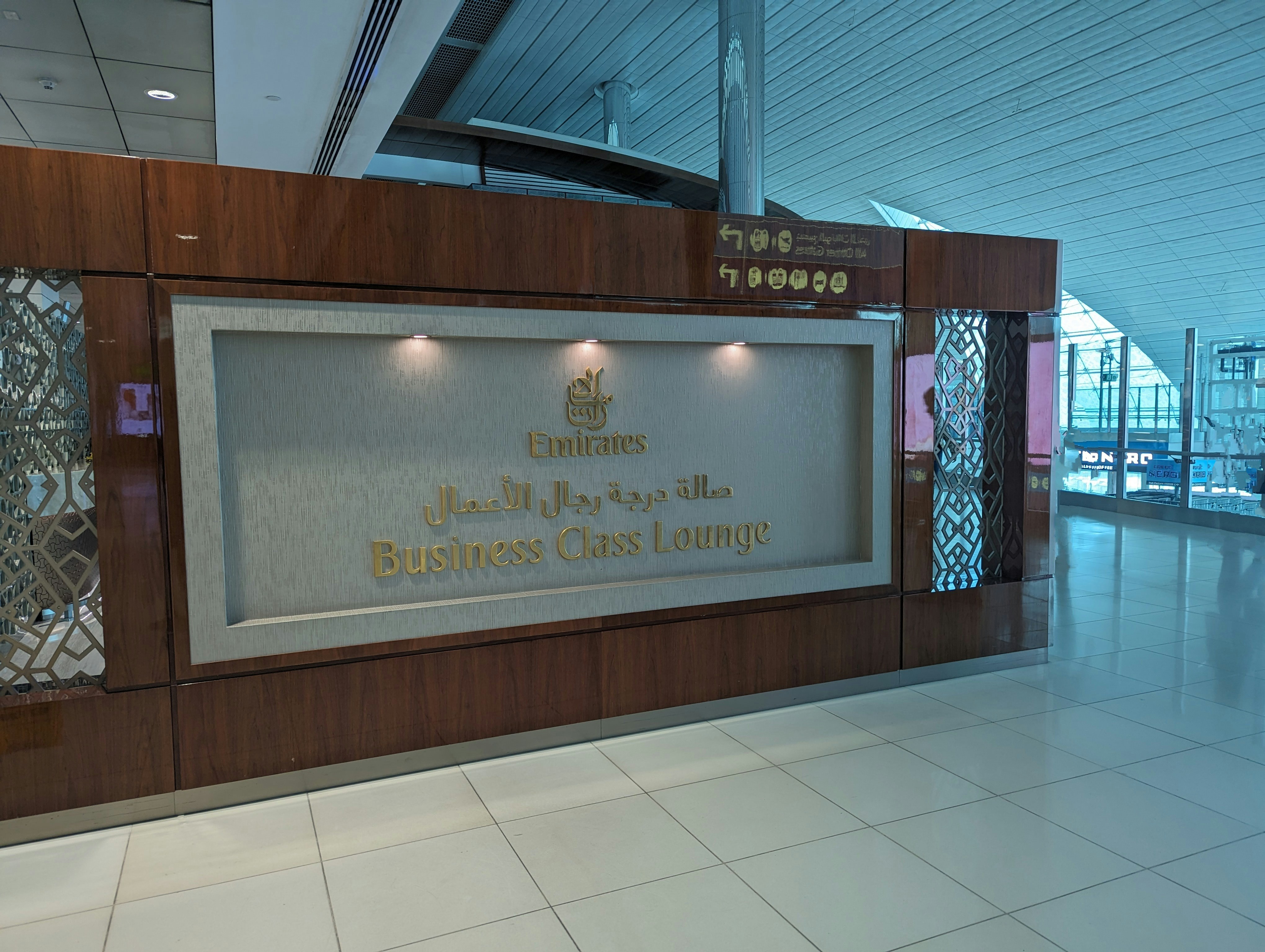
Exploring Laayoune Airport: A Comprehensive Guide
Introduction to Laayoune Airport Laayoune Airport, known by its IATA code EUN, is a crucial transportation hub located in the city of Laayoune, the largest city in the Western Sahara region of Morocco. This airport plays a significant role in connecting the remote areas of this desert region with the rest of the country and beyond. Opened in 1978, Laayoune Airport has evolved to become a key player in the local economy, facilitating not only passenger travel but also cargo services that support various industries. The airport serves both domestic and international flights, making it an essential element of Laayoune’s infrastructure. As a gateway to the southern parts of Morocco, Laayoune Airport enables tourists and business travelers to explore the region’s unique cultural and natural attractions, such as the vast desert landscapes and historical sites. Its strategic location also provides access to the rich natural resources of the area, which are vital for economic development. In recent years, the airport has seen improvements in its facilities and services, adapting to the increasing number of travelers seeking to visit Laayoune and its surroundings. Efforts to enhance the overall travel experience at Laayoune Airport include modernized terminals, upgraded security measures, and expanded flight options. Such developments reflect the growing importance of tourism in the region as more visitors are drawn to its distinct offerings. Furthermore, the airport serves as an essential link for the local community, providing residents with better access to healthcare, education, and employment opportunities. With the ongoing advancements and the commitment to improving services, Laayoune Airport is expected to continue thriving as a significant hub for both transportation and tourism in the region. History of Laayoune Airport Laayoune Airport, located in the city of Laayoune, Morocco, has a rich and significant history that reflects the broader developments of the region. Established in 1973, the airport was initially intended to support the growing needs of both local and international travelers. Situated in the southern part of Morocco, this airport serves as a crucial gateway to the Sahara region, linking it with various domestic and international destinations. Over the years, Laayoune Airport has undergone considerable enhancements to accommodate the increasing passenger traffic and freight services. In the late 1990s, the airport experienced major renovations, including runway extensions and terminal upgrades. These improvements were aimed at promoting tourism and facilitating trade in the region. The strategic location of the airport made it a significant hub during this development phase, as it allowed easier access to various Saharan destinations. In the 2000s, Laayoune Airport witnessed a notable increase in air traffic, due largely to the burgeoning tourism sector in the southern parts of Morocco. Airlines began to recognize the airport’s potential, leading to new flight routes and increased frequency of existing flights. Additionally, the government placed emphasis on the importance of enhancing infrastructure and services at Laayoune Airport to ensure its competitiveness in the region. Throughout its history, Laayoune Airport has also played a vital role in regional connections and aid during humanitarian efforts. Various NGOs and international organizations have utilized the airport for relief missions, further emphasizing its importance beyond commercial aviation. Today, Laayoune Airport continues to serve as a pivotal intersection of culture, commerce, and connectivity, evolving with the demands of modern travel. As the airport looks to the future, it is poised to embrace new technologies and services that will enhance the travel experience for its users. Airport Facilities and Services Laayoune Airport, serving the city of Laayoune in Western Sahara, is equipped with a variety of facilities and services aimed at enhancing the passenger experience. Upon arrival at the airport, travelers can expect to find a range of amenities designed for comfort and efficiency. One of the highlights of the airport is its passenger lounges, which provide a tranquil space for relaxation before flights. These lounges typically offer comfortable seating, complimentary refreshments, and a selection of newspapers and magazines, making them an ideal spot for travelers seeking a peaceful environment. The airport also features a number of dining options, including cafés and restaurants that serve both local and international cuisine, ensuring that passengers have access to quality meals and snacks while they await their flights. Shopping at Laayoune Airport is another advantage for travelers. There are retail outlets offering a selection of goods, such as souvenirs, travel accessories, and duty-free items, allowing passengers to indulge in some last-minute shopping or enjoy a unique piece representative of the region. Accessibility services are also a significant consideration at Laayoune Airport. The facility is equipped to accommodate passengers with reduced mobility, including wheelchair access and dedicated assistance services. Staff are trained to assist individuals requiring extra support, ensuring an inclusive environment for all travelers. Additionally, the airport emphasizes safety and security, with protocols in place to facilitate a smooth travel experience. Overall, the diverse range of facilities and services at Laayoune Airport caters to the diverse needs of its passengers, making it a welcoming gateway for those traveling to and from the region. Airlines and Destinations Laayoune Airport serves as a crucial transport hub in the region, facilitating connectivity both domestically and internationally. The airport is primarily served by several airlines, enabling passengers to explore a variety of destinations. Among the prominent airlines operating from Laayoune Airport are Royal Air Maroc and Air Arabia. Royal Air Maroc offers daily flights to several major cities, thus ensuring reliable service and convenient travel options for both local residents and visitors. The domestic destinations accessible from Laayoune Airport include key cities in Morocco such as Casablanca and Marrakech. These flights are essential for passengers looking to connect with international flights or travel to other regions within Morocco. The frequency of these flights highlights the airport’s strategic importance within the national transportation network. On the international front, Laayoune Airport has also expanded its reach beyond Morocco. Passengers can find seasonal flights to various destinations, including certain European cities. This expansion is a significant development as it opens up additional routes for travelers seeking to visit
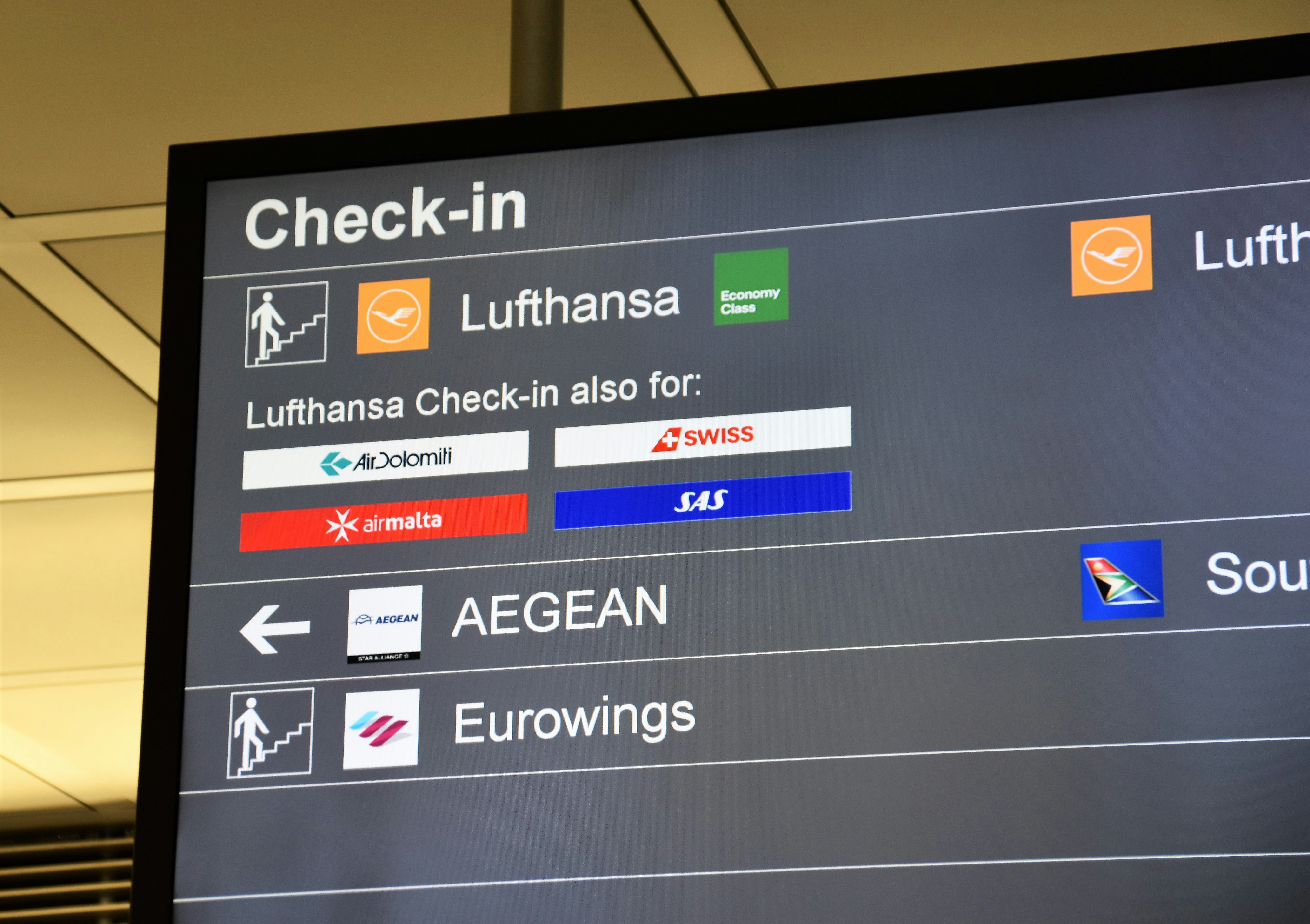
Airlines Operating at Laayoune Airport: Current and Upcoming Options
Introduction to Laayoune Airport Laayoune Airport, situated in the city of Laayoune, Morocco, serves as a pivotal gateway for both domestic and international travelers. Positioned strategically along the Atlantic coast, the airport not only facilitates connections between Laayoune and various Moroccan cities but also extends its reach to international destinations. This significance underscores the airport’s role in enhancing the region’s connectivity and promoting tourism and commerce. The airport features a modern infrastructure, accommodating a range of services that cater to the needs of passengers. It boasts a single runway and a terminal that provides amenities including duty-free shops, restaurants, and car rental services. Recent enhancements have upgraded the airport’s facilities, allowing for smoother operations and improved passenger experiences. These developments have played a crucial role in attracting multiple airlines to establish routes to and from Laayoune, thereby increasing travel options for individuals and businesses alike. Laayoune Airport’s importance extends beyond mere transportation. It acts as a vital link for the Sahrawi population and international tourists wishing to explore the broader cultural landscape of the region. The airport facilitates economic activities and investments by connecting Laayoune with major hubs, which can be instrumental for business initiatives. Furthermore, enhancing accessibility to Laayoune supports the socio-economic development of the region, making it an essential asset for both local inhabitants and travelers. In recent years, the airport has witnessed increased activity, leading to the introduction of new airlines and expanded routes. This trend reflects the growing recognition of Laayoune Airport as an essential transportation hub that connects the city with key locations, both domestically and internationally. As it continues to evolve, the airport will likely remain a focal point in the region’s travel and economic landscape. Current Airlines Operating at Laayoune Airport Laayoune Airport, a crucial hub in the southern part of Morocco, is currently serviced by several airlines, each providing unique offerings and connecting passengers to various destinations. The main airlines that operate at Laayoune Airport include Royal Air Maroc, Air Arabia Maroc, and TAP Air Portugal. These carriers collectively enhance the travel options available for passengers. Royal Air Maroc, the national flag carrier, offers daily flights connecting Laayoune to important cities such as Casablanca. This consistent frequency makes it convenient for both business and leisure travelers. The airline is renowned for its service quality and in-flight amenities, ensuring a comfortable journey for passengers. Additionally, Royal Air Maroc often provides competitive pricing, particularly for those booking in advance or during promotional seasons. Air Arabia Maroc is another significant operator at Laayoune Airport, focusing on budget travel. The airline primarily connects Laayoune to various destinations in Europe and other cities in Morocco. Their business model emphasizes affordability while maintaining essential services, making it attractive to cost-conscious travelers. They typically offer flights several times a week, and occasional promotional fares can significantly lessen the travel costs, thereby enhancing accessibility for locals and tourists alike. TAP Air Portugal, while less frequent, connects Laayoune with Lisbon, facilitating access to broader European networks. This service can be particularly advantageous for travelers looking to extend their journeys beyond Morocco. Overall, the airlines currently operating at Laayoune Airport exhibit a commitment to providing varied travel options tailored to passengers’ needs, from convenient domestic connections to international routes, thus significantly improving the overall passenger experience at this vital travel node. Upcoming Airlines at Laayoune Airport Laayoune Airport, an essential gateway in Southern Morocco, is set to enhance its connectivity with the introduction of several new airlines in the near future. Various carriers have announced their plans to commence operations, with services aimed at expanding travel options for both local and international travelers. These developments are expected to contribute significantly to the region’s tourism and economy, potentially leading to increased visitation and investment. Recent announcements have revealed that low-cost airlines are planning to establish routes connecting Laayoune with major cities in Europe and within Morocco. For instance, one leading budget airline is set to launch flights from major European hubs by mid-2024, aiming to attract both tourists and seasonal travelers. This expansion is anticipated to position Laayoune as a more accessible destination, making it easier for travelers to explore the diverse landscapes and cultural heritage of the region. In addition, traditional airlines are also eyeing Laayoune Airport for potential new routes. Discussions are underway with carriers to initiate direct flights from financial centers, which would facilitate business travel and foster relationships between local businesses and international partners. These direct connections may positively impact the local economy by boosting commerce while improving accessibility to essential services and goods. Moreover, strategic partnerships are being formed to ensure these new operations are sustainable. The airport’s management is collaborating with local tourism boards and business stakeholders to develop a marketing strategy that highlights Laayoune’s unique attractions, such as its rich cultural heritage and picturesque coastline. As these airlines prepare to enter the market, stakeholder engagement will be crucial in maximizing the socio-economic impact on the region. These upcoming airlines at Laayoune Airport symbolize a turning point in the region’s travel landscape, opening up diverse pathways for economic development and tourism growth. Conclusion and Travel Tips In conclusion, Laayoune Airport serves as a vital hub, connecting passengers to both local and international destinations. Currently, several airlines operate from this airport, facilitating travel across various regions. Understanding the airlines available, such as Royal Air Maroc and other emerging carriers, can enhance your travel experience significantly. Additionally, travelers can look forward to new options as more airlines plan to enter this market, which may lead to increased competition and potentially lower fare prices. For those planning to fly into or out of Laayoune Airport, it is essential to book flights well in advance. This allows for not only better fare options but also guarantees availability during peak travel seasons. Utilizing online travel platforms can streamline the booking process. In preparation for your journey, ensure that you check flight statuses regularly, as schedules can fluctuate based on various factors, including weather conditions and operational updates. Navigating Laayoune Airport is

Comprehensive Guide to Services Offered at Laayoun Airport
Overview of Laayoun Airport Laayoun Airport, strategically located in the city of Laayoune, Morocco, serves as a vital transportation hub for both domestic and international travelers. This airport plays a crucial role in connecting the region to various destinations, thereby promoting tourism, commerce, and cultural exchanges. Situated approximately 6 kilometers from the city center, Laayoun Airport is easily accessible and is well-served by various modes of transportation, including taxis and private vehicles. The significance of Laayoun Airport extends beyond its geographical location. It serves as a gateway for travelers looking to explore the vast and diverse landscapes of Western Sahara. The airport welcomes a variety of airlines that operate scheduled flights to several major cities, ensuring that passengers have a range of travel options. Additionally, the facility is equipped to accommodate both passenger and cargo flights, further enhancing its role in fostering trade and economic development in the region. Travelers can take advantage of an array of amenities available at Laayoun Airport. The terminal is designed with passenger comfort in mind, featuring spacious waiting areas, retail shops, and dining options to cater to the needs of those passing through. For individuals driving to the airport, there are ample parking facilities available, including short-term and long-term options, ensuring convenience whether one is picking up passengers or embarking on a journey. Furthermore, accessibility is a key focus at Laayoun Airport, with facilities compliant with international standards to accommodate travelers with reduced mobility. The operational hours of the airport are designed to provide flexibility for arriving and departing flights, allowing for optimal travel planning. With its comprehensive services and strategic location, Laayoun Airport stands out as an essential gateway in Morocco, supporting both local and international connectivity. Passenger Services and Amenities Laayoun Airport is committed to providing a seamless travel experience for passengers. The airport offers a variety of essential services and amenities aimed at enhancing passenger comfort and convenience. Upon arrival, travelers are greeted by efficient check-in procedures, which allow for a smooth and quick start to their journey. These procedures are complemented by modern technology, including self-service kiosks, enabling passengers to check in their baggage and obtain boarding passes with ease. Security is of paramount importance at Laayoun Airport, where stringent protocols are implemented to ensure the safety of all travelers. Passengers can expect well-organized security checks that minimize wait times while maintaining the highest safety standards. The airport staff is trained to assist and guide travelers through the security process, thereby alleviating any concerns over the procedures. The airport also provides comfortable waiting lounges where passengers can relax prior to their flight. These lounges are equipped with comfortable seating, charging stations, and complimentary Wi-Fi, allowing travelers to unwind or catch up on work. Additionally, clean and accessible restrooms are strategically located throughout the terminal, ensuring passengers have easy access to sanitation facilities. Families traveling with children will find several amenities tailored to their needs, including designated play areas and family restrooms equipped with changing tables. These facilities are designed to make the airport experience more enjoyable for both parents and their little ones. Furthermore, Laayoun Airport offers VIP services, which include priority check-in, personalized assistance, and access to exclusive lounges, catering to the needs of travelers seeking a premium experience. Information desks are also available throughout the airport, staffed with knowledgeable personnel ready to assist travelers with inquiries about flights, services, and local attractions. Baggage handling services are efficiently managed to ensure that passengers’ luggage is safely processed and delivered. Overall, Laayoun Airport prioritizes providing a comprehensive range of passenger services and amenities to enhance the overall travel experience. Food and Shopping Options Laayoun Airport offers an array of dining and shopping experiences to cater to the diverse needs of travelers. Once passengers step inside the terminal, they will discover various restaurants and cafes that provide a selection of cuisines, ranging from traditional Moroccan dishes to international favorites. Families, business travelers, and solo adventurers can enjoy quick bites or sit-down meals, depending on their schedules and preferences. Popular offerings include savory tagines, fresh pastries, and light snacks, ensuring that every traveler has an opportunity to indulge in a delightful culinary experience. The airport also features several cafes, where passengers can unwind with a cup of coffee or tea while enjoying a light meal or pastry. These establishments are strategically placed to offer respite before flight departures and provide a comfortable atmosphere for relaxation. Additionally, some cafes serve local specialties, allowing visitors an authentic taste of the region. In terms of shopping, Laayoun Airport comprises a variety of retail outlets, including duty-free shops that allow international travelers to purchase goods without paying local taxes. Shoppers can find a selection of perfumes, cosmetics, electronics, and luxury items, making it an ideal stop for last-minute purchases. Furthermore, the airport’s shops offer souvenirs that highlight the culture and heritage of the region, allowing visitors to take a piece of Laayoun home with them. Overall, the food and shopping options at Laayoun Airport not only enhance the travel experience but also ensure that both domestic and international passengers have access to quality dining and retail opportunities. With a commitment to providing varied choices, the airport endeavors to meet the needs of all travelers passing through its terminal. Transportation and Connectivity Laayoun Airport serves as a key entry point for travelers seeking to explore the region, offering a variety of transportation options to ensure convenient connectivity. Public transportation is available near the airport, providing an efficient means for passengers to reach their desired destinations within the city and beyond. Buses operate on regular schedules, linking the airport to major urban areas and tourist attractions, enhancing accessibility for visitors. For those preferring private transportation, car rental services are easily accessible at Laayoun Airport. Several well-known car hire companies have established counters within the terminal, allowing passengers to select from a wide range of vehicles suited to their travel needs. This flexibility facilitates leisure and business travelers alike in navigating the region with ease. Moreover, rental services
Exploring Laayoune: Top Things to Do Near Laayoune, Morocco
Introduction Laayoune, the capital of the Laayoune-Sakia El Hamra region in Morocco, is a vibrant city with a rich cultural and historical background that beckons travelers seeking an authentic experience. Situated in the Western Sahara, Laayoune serves as a gateway to the stunning landscapes and unique attractions that this area has to offer. The city is steeped in history, reflecting the diverse influences that have shaped its identity over the years, including Berber, Arab, and colonial Spanish cultures. One of the most significant aspects of Laayoune is its role as a center for cultural exchange and historical exploration in the region. The city boasts several sites of interest, such as the majestic Great Mosque and the captivating local markets where traditional handicrafts can be discovered. In the heart of the city, visitors can explore the vibrant streets lined with cafes and shops that showcase the colorful essence of local life. When planning a visit to Laayoune, it is essential to familiarize oneself with the various attractions available in and around the city. This knowledge allows travelers to make the most of their time in the region, ensuring a comprehensive understanding of its culture and history. Moreover, Laayoune Airport serves as a convenient access point for visitors, making it easier to explore not only the city but also the nearby captivating landscapes and points of interest. Whether one is drawn to the historical significance of the region, its diverse culture, or the mesmerizing natural beauty that surrounds Laayoune, understanding local attractions is crucial for an enriching travel experience. The following sections will delve deeper into the top activities and places to visit, enhancing the overall appreciation of this unique Moroccan locale. Getting to Laayoune Laayoune, the largest city in Western Sahara, is conveniently accessible through Laayoune Airport, which serves both domestic and international flights. Upon arrival at Laayoune Airport, visitors have various transportation options to reach the city center, ensuring a smooth transition to their destination. Taxis are one of the most popular modes of transportation for travelers arriving at the airport. Taxis are readily available outside the terminal, and the journey to the city center typically takes about 15 to 20 minutes. The approximate cost for a taxi ride is around 200 Moroccan Dirhams (MAD), although this may vary slightly depending on traffic conditions and the time of day. It is advisable for visitors to agree on a fare with the driver before commencing the journey, as taxi meters may not always be used. For those who prefer more independence during their stay, car rentals are widely available at the airport. Major rental companies operate onsite, allowing travelers to choose from a variety of vehicles to suit their needs. Renting a car provides the flexibility to explore not only Laayoune but also the surrounding areas at one’s own pace. Daily rental prices can range from approximately 300 MAD for a compact car to higher rates for larger vehicles or luxury options. It is important to have a valid driver’s license and to check local driving regulations before setting off. Public transport is another alternative for reaching Laayoune, although it may require more time and patience. Buses run sporadically from the airport to the city, with routes primarily catering to local residents. While this option is usually the most economical, costing around 30 MAD, the infrequent service and longer travel times make it less practical for visitors with tight schedules. Local Attractions Overview Laayoune, the capital of Western Sahara, is not only a hub for administrative affairs but also a gateway to a variety of attractions that reflect the region’s unique culture and natural beauty. Visitors can immerse themselves in the rich history and stunning landscapes that surround this vibrant city. One of the primary highlights near Laayoune is the remarkable Bou Craa Phosphate Mine, an expansive active mining site that offers insight into one of Morocco’s vital industries. Guided tours are available, giving guests the chance to learn about phosphate extraction and its impact on the local economy. This attraction juxtaposes the industrial landscape with the picturesque Saharan backdrop, offering a striking visual experience. Nature enthusiasts will appreciate the breathtaking scenery at the nearby Mar about Echo. This natural reserve is home to diverse flora and fauna, providing opportunities for hiking and birdwatching. The serene environment allows visitors to appreciate the stark beauty of the desert and its wildlife, making it an ideal destination for outdoor lovers. For those interested in culture, the Laayoune Museum offers a comprehensive look into the history and traditions of the Sahrawi people. The museum exhibits art and artifacts, showcasing the region’s rich cultural heritage. It serves as an educational resource about the local lifestyle, traditions, and the influences of colonialism. In addition, the majestic Oum Jrane Lake stands out as a must-see attraction, presenting a striking contrast to the arid surroundings. The lake is a sanctuary for migratory birds, attracting birdwatchers and photographers alike. Its calm waters provide a peaceful setting for reflection and leisure activities. These local attractions around Laayoune highlight a balance of natural wonders, cultural experiences, and historical insights that promise to enrich any visit to this captivating region of Morocco. Exploring Laayoune Beach Laayoune Beach, situated along the Atlantic coast of Morocco, offers a stunning escape for locals and tourists alike. Known for its golden sands and gentle waves, this picturesque beach is an ideal destination for those seeking to unwind in a serene environment. The expansive shoreline is perfect for sunbathing, while the rhythmic sound of the ocean provides a soothing backdrop for relaxation. Recreational activities are abundant at Laayoune Beach, making it suitable for visitors of all ages. Swimming is a popular pastime, as the water is typically calm and inviting, especially during the summer months. For those looking to engage in more adventurous pursuits, windsurfing and kitesurfing can be enjoyed, particularly when the winds are favorable. Additionally, beach volleyball courts and areas designated for picnicking can be found, encouraging friendly competition and communal gatherings. Accessibility to