
Introduction to Laayoune Airport
Laayoune Airport, known by its IATA code EUN, is a crucial transportation hub located in the city of Laayoune, the largest city in the Western Sahara region of Morocco. This airport plays a significant role in connecting the remote areas of this desert region with the rest of the country and beyond. Opened in 1978, Laayoune Airport has evolved to become a key player in the local economy, facilitating not only passenger travel but also cargo services that support various industries.
The airport serves both domestic and international flights, making it an essential element of Laayoune’s infrastructure. As a gateway to the southern parts of Morocco, Laayoune Airport enables tourists and business travelers to explore the region’s unique cultural and natural attractions, such as the vast desert landscapes and historical sites. Its strategic location also provides access to the rich natural resources of the area, which are vital for economic development.
In recent years, the airport has seen improvements in its facilities and services, adapting to the increasing number of travelers seeking to visit Laayoune and its surroundings. Efforts to enhance the overall travel experience at Laayoune Airport include modernized terminals, upgraded security measures, and expanded flight options. Such developments reflect the growing importance of tourism in the region as more visitors are drawn to its distinct offerings.
Furthermore, the airport serves as an essential link for the local community, providing residents with better access to healthcare, education, and employment opportunities. With the ongoing advancements and the commitment to improving services, Laayoune Airport is expected to continue thriving as a significant hub for both transportation and tourism in the region.
History of Laayoune Airport
Laayoune Airport, located in the city of Laayoune, Morocco, has a rich and significant history that reflects the broader developments of the region. Established in 1973, the airport was initially intended to support the growing needs of both local and international travelers. Situated in the southern part of Morocco, this airport serves as a crucial gateway to the Sahara region, linking it with various domestic and international destinations.
Over the years, Laayoune Airport has undergone considerable enhancements to accommodate the increasing passenger traffic and freight services. In the late 1990s, the airport experienced major renovations, including runway extensions and terminal upgrades. These improvements were aimed at promoting tourism and facilitating trade in the region. The strategic location of the airport made it a significant hub during this development phase, as it allowed easier access to various Saharan destinations.
In the 2000s, Laayoune Airport witnessed a notable increase in air traffic, due largely to the burgeoning tourism sector in the southern parts of Morocco. Airlines began to recognize the airport’s potential, leading to new flight routes and increased frequency of existing flights. Additionally, the government placed emphasis on the importance of enhancing infrastructure and services at Laayoune Airport to ensure its competitiveness in the region.
Throughout its history, Laayoune Airport has also played a vital role in regional connections and aid during humanitarian efforts. Various NGOs and international organizations have utilized the airport for relief missions, further emphasizing its importance beyond commercial aviation.
Today, Laayoune Airport continues to serve as a pivotal intersection of culture, commerce, and connectivity, evolving with the demands of modern travel. As the airport looks to the future, it is poised to embrace new technologies and services that will enhance the travel experience for its users.
Airport Facilities and Services
Laayoune Airport, serving the city of Laayoune in Western Sahara, is equipped with a variety of facilities and services aimed at enhancing the passenger experience. Upon arrival at the airport, travelers can expect to find a range of amenities designed for comfort and efficiency.
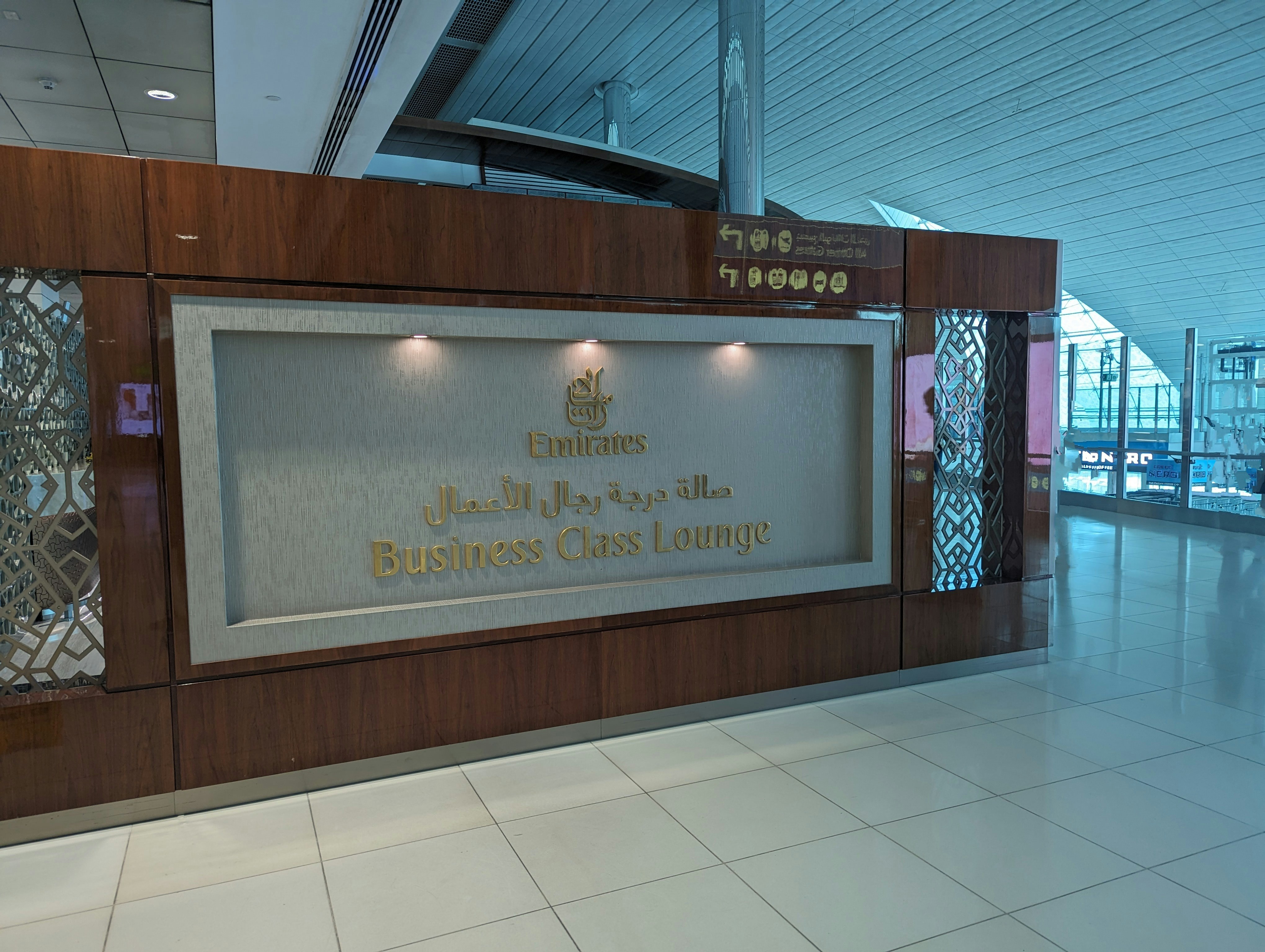
One of the highlights of the airport is its passenger lounges, which provide a tranquil space for relaxation before flights. These lounges typically offer comfortable seating, complimentary refreshments, and a selection of newspapers and magazines, making them an ideal spot for travelers seeking a peaceful environment. The airport also features a number of dining options, including cafés and restaurants that serve both local and international cuisine, ensuring that passengers have access to quality meals and snacks while they await their flights.
Shopping at Laayoune Airport is another advantage for travelers. There are retail outlets offering a selection of goods, such as souvenirs, travel accessories, and duty-free items, allowing passengers to indulge in some last-minute shopping or enjoy a unique piece representative of the region.
Accessibility services are also a significant consideration at Laayoune Airport. The facility is equipped to accommodate passengers with reduced mobility, including wheelchair access and dedicated assistance services. Staff are trained to assist individuals requiring extra support, ensuring an inclusive environment for all travelers.
Additionally, the airport emphasizes safety and security, with protocols in place to facilitate a smooth travel experience. Overall, the diverse range of facilities and services at Laayoune Airport caters to the diverse needs of its passengers, making it a welcoming gateway for those traveling to and from the region.
Airlines and Destinations
Laayoune Airport serves as a crucial transport hub in the region, facilitating connectivity both domestically and internationally. The airport is primarily served by several airlines, enabling passengers to explore a variety of destinations. Among the prominent airlines operating from Laayoune Airport are Royal Air Maroc and Air Arabia. Royal Air Maroc offers daily flights to several major cities, thus ensuring reliable service and convenient travel options for both local residents and visitors.
The domestic destinations accessible from Laayoune Airport include key cities in Morocco such as Casablanca and Marrakech. These flights are essential for passengers looking to connect with international flights or travel to other regions within Morocco. The frequency of these flights highlights the airport’s strategic importance within the national transportation network.
On the international front, Laayoune Airport has also expanded its reach beyond Morocco. Passengers can find seasonal flights to various destinations, including certain European cities. This expansion is a significant development as it opens up additional routes for travelers seeking to visit Laayoune from abroad or plan onward journeys from the airport.
Furthermore, the range of destinations accessible from Laayoune Airport is continually evolving, responding to the regional demand for air travel. The airport’s management actively works to attract more airlines and promote additional destinations, enhancing the overall travel experience for passengers. With ongoing investments and strategic partnerships, further growth is anticipated in the coming years, making Laayoune Airport an increasingly vital component of the region’s travel and tourism infrastructure.
Getting to and from Laayoune Airport
Traveling to and from Laayoune Airport offers several convenient transportation options, catering to the needs of different passengers. The airport is well-positioned, making the journey to the city center and surrounding regions relatively easy.
One of the most popular choices for transportation is taxi services. Numerous taxis are readily available just outside the terminal, providing a straightforward option for travelers who prefer direct transfer. Taxis are often metered, ensuring transparent pricing, and drivers typically speak basic English, which can aid in communication. This option suits those arriving during late-night flights or those carrying substantial luggage.
In addition to taxis, several shuttle services operate between Laayoune Airport and prominent hotels in the region. These shuttles offer a more organized way for hotel guests to travel without the hassle of finding a local taxi. It’s advisable to pre-arrange shuttle services, especially during peak travel seasons, ensuring immediate transport upon arrival.
Public transport also serves the area, providing a budget-friendly option for travelers. Buses run at regular intervals, connecting the airport to key locations in Laayoune and surrounding towns. While this option may take longer compared to taxis, it offers insight into local life, making the journey an experience in itself. Travelers should keep in mind that bus schedules might not be as frequent, particularly during off-peak hours.
Finally, for those considering a more flexible mode of transport, car rentals are available at Laayoune Airport. Various local and international companies offer rental services, allowing passengers the freedom to explore the region at their own pace.
Passenger Experience
Laayoune Airport, officially known as Hassan I Airport, is renowned for its strategic location in Western Sahara and its emphasis on providing a seamless travel experience for passengers. Upon arriving at the airport, travelers are greeted by modern facilities that cater to both domestic and international flights. The check-in process is designed to be efficient, with several airlines operating from this hub, thereby allowing passengers various options when flying in and out of Laayoune.
Upon entering the airport, passengers will first encounter the check-in counters, which are well-staffed to ensure minimal waiting times. Travelers can check in quickly, whether online or at the airport, as the procedures are streamlined to accommodate a fluctuating number of passengers. Travelers should anticipate navigating the check-in area during peak travel times when the airport experiences higher passenger volumes.
Security checks at Laayoune Airport are rigorous yet efficient, employing modern screening technology to ensure traveler safety. Passengers can expect a thorough but expedited security process, thanks to well-trained personnel who assist in guiding travelers through the various stages. Typically, the wait times for security screenings are reasonable, allowing branches of movement through the terminal.
Moreover, the airport’s layout facilitates easy access to boarding gates and amenities, further enhancing the passenger experience. Usually, the atmosphere within the terminal is calm, and the efficiency of operations contributes to a pleasant travel environment. In light of this, visitors to Laayoune Airport can appreciate both the practical aspects of air travel and the accessibility of services designed to meet their needs.
Recent Developments and Future Plans
Laayoune Airport has undergone several substantial upgrades in recent years, reflecting the growing importance of this hub in the region. The renovations have enhanced both the operational capabilities and passenger experience at the airport. One significant development includes the expansion of the passenger terminal, which has increased capacity to accommodate the rising number of travelers. These improvements are aimed at facilitating smoother boarding processes and reducing wait times, thus fostering a more efficient travel experience.
Moreover, Laayoune Airport has introduced modern amenities such as enhanced baggage handling systems and improved security protocols, resulting in increased passenger safety and convenience. The procurement of new ground support equipment has also been prioritized, ensuring that both the airlines and passengers benefit from streamlined operations and reduced turnaround times.
Looking forward, the Moroccan government and airport authorities have outlined ambitious plans for Laayoune Airport. Future projects might include the introduction of new direct flight services to enhance connectivity with major cities both domestically and internationally. This strategic move aims to cater to the growing demand for air travel in the region and stimulate economic growth by promoting tourism and trade.
In addition, there are plans for further infrastructure expansions that would increase the airport’s capacity and functionality. This includes potential developments such as runway enhancements and the addition of new passenger lounges, aiming to elevate the overall travel experience. With ongoing investments and development projects, Laayoune Airport is poised to become a pivotal gateway not just for the local community, but also for international travelers in the years to come.
Travel Tips for Laayoune Airport
Traveling through Laayoune Airport can be a seamless experience with proper preparation and awareness of airport operations. This relatively small airport serves as a crucial gateway to the southern regions of Morocco and it is known for its efficient handling of passenger traffic. One of the best practices for navigating Laayoune Airport involves arriving early to allow ample time for check-in and security screening. As with many airports, it is advisable to arrive at least two hours prior to domestic flights to ensure a stress-free process.
Upon arrival, travelers should expect a straightforward immigration and customs process. The staff is generally helpful and communicates effectively, though it’s beneficial to note that English may not always be widely spoken. Having some basic phrases in Arabic or French can enhance interactions and help in navigating local customs. Ensure you have all necessary documents ready for inspection, including your passport, visa (if applicable), and any travel itinerary details.
When departing from Laayoune Airport, it’s recommended to check the flight information display screens for updates, as changes can occur due to fluctuating airline schedules. The airport offers facilities such as a small duty-free shop, providing travelers with an opportunity to purchase local goods and souvenirs before exiting. Additionally, the waiting areas are modestly equipped, so bringing refreshments may enhance comfort during any potential delays.
Be aware of local customs as well; Moroccan culture is rich and diverse, exhibiting a blend of traditions. Dress modestly and respect local etiquette while at the airport. Familiarizing yourself with these cultural aspects will aid in fostering a respectful relationship with the local community in Laayoune.
Conclusion
In closing, Laayoune Airport stands as a significant hub in the region, facilitating both travel and tourism for a growing number of visitors. Its strategic location ensures that travelers can easily access the vibrant city of Laayoune and its surrounding areas, promoting not only tourism but also business and cultural exchanges. As the primary international gateway into the Saharan region, Laayoune Airport is critical in advancing local economies and enhancing connectivity.
The airport has embraced modern developments, offering enhanced services and amenities that align with global standards. This transformation plays a crucial role in attracting tourists, who are eager to explore the rich cultural heritage and natural beauty that characterizes the region. Moreover, Laayoune Airport serves as a starting point for adventures into the vast Sahara Desert, allowing travelers to experience local traditions and landscapes.
The importance of Laayoune Airport cannot be overstated; it not only serves as a critical travel interchange but also symbolizes the region’s aspirations in boosting tourism and engagement with international visitors. The ongoing efforts to improve the infrastructure and services offered at Laayoune Airport highlight the commitment to fostering a welcoming environment for tourists. Ultimately, the airport is more than just a transit point; it is a gateway to the unique experiences that await in the surrounding landscapes.