
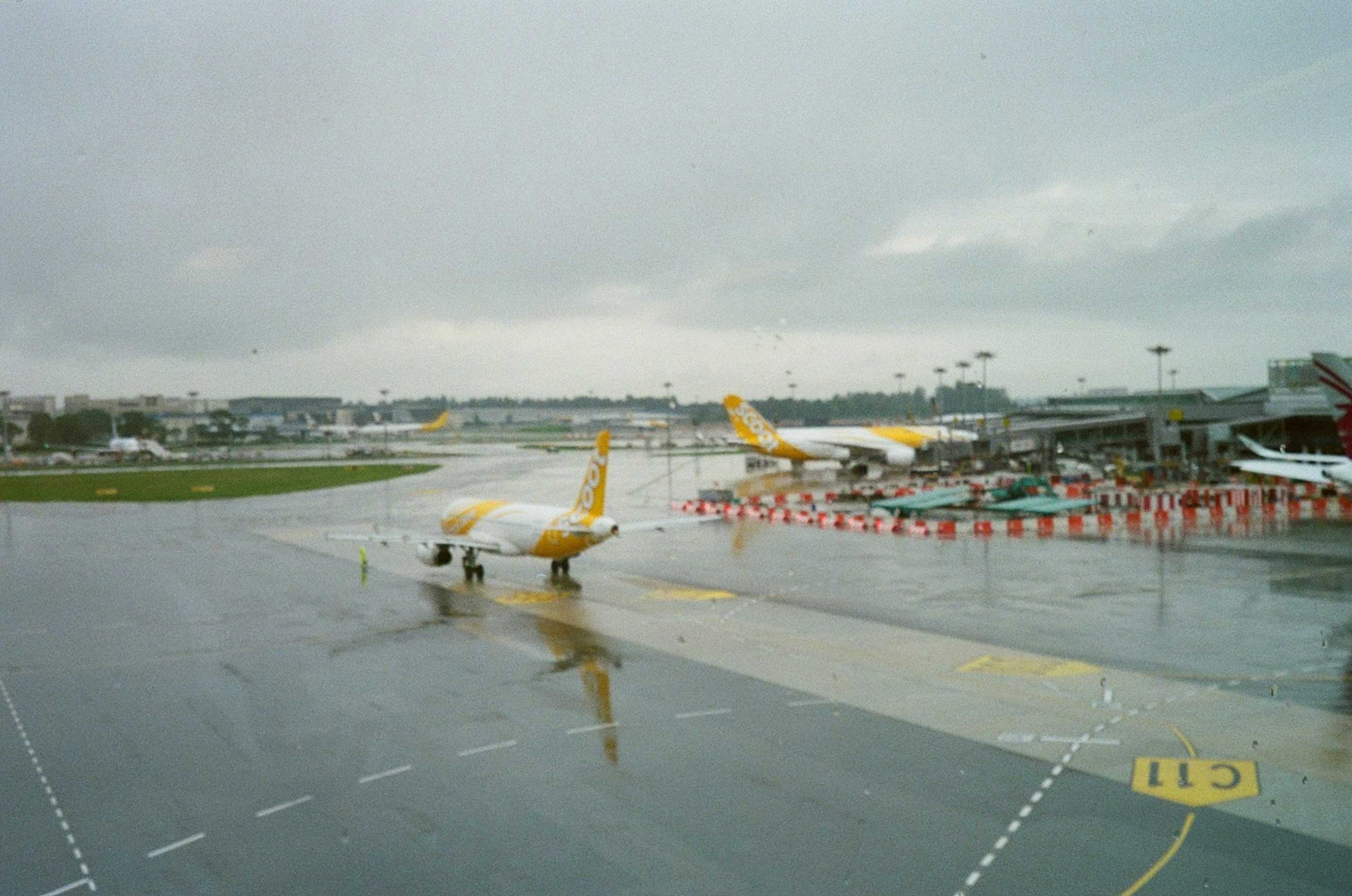
Introduction to Weather Forecasting Weather forecasting is the process of predicting atmospheric conditions at a specific location over a given period. It involves evaluating various meteorological data and utilizing sophisticated technology to provide accurate forecasts. Meteorologists analyze current weather patterns, historical data, and a multitude of variables to generate these predictions. One of the foundational tools in weather forecasting is the weather radar, which detects precipitation and its intensity. Additionally, satellite imagery plays a crucial role in observing cloud cover, storm systems, and temperature variations across different regions. These technologies, combined with ground-based observations, allow meteorologists to develop a clearer picture of impending weather events. Additionally, numerical weather prediction models simulate the atmosphere using complex mathematical equations and algorithms. Through these models, meteorologists can assess the probable evolution of weather systems based on existing conditions. The accuracy of these models has significantly improved over the years, leading to more reliable forecasts that are essential for various sectors. The importance of accurate weather forecasts cannot be overstated. For travelers, a reliable forecast can inform decisions about flight schedules, camping trips, or beach outings. In agriculture, it helps farmers determine the best times for planting and harvesting crops, thereby optimizing yield and reducing loss. Furthermore, accurate weather data is crucial for daily activities, as it influences clothing choices, outdoor plans, and preparedness for severe weather conditions. In conclusion, understanding weather forecasting is vital for a multitude of reasons. As technology continues to evolve, the precision of these predictions will likely enhance, making it increasingly easier for individuals and businesses alike to prepare for various weather scenarios. Overview of Laayoune Airport Laayoune Airport, officially known as Hassan I Airport, is located approximately 5 kilometers from the city of Laayoune, which is the administrative capital of the Laayoune-Sakia El Hamra region in Morocco. This airport plays a crucial role in connecting this strategic area to other regions within Morocco as well as to international destinations, thereby promoting both tourism and trade. The airport has undergone various improvements over the years to enhance its facilities and accommodate a growing number of travelers. Currently, Laayoune Airport has a single asphalt runway that is 3,000 meters long, allowing it to handle a variety of aircraft sizes, from smaller regional planes to larger international jets. This capability is essential for facilitating smooth air traffic operations and ensuring the accessibility of the region for tourists. Laayoune Airport primarily serves domestic flights, with significant connections to major Moroccan cities such as Casablanca, Rabat, and Agadir. Additionally, the airport occasionally accommodates international flights, allowing travelers from Europe and other regions to visit Laayoune. This mix of domestic and international services highlights the airport’s importance in fostering both economic development and cultural exchange in the area. Understanding the weather conditions at Laayoune Airport is vital for travelers planning their itineraries as well as for airport operations staff ensuring safety and efficiency. Since this airport acts as a hub for passenger and cargo flights, any changes in weather can impact flight schedules and travel plans. As such, staying informed about the upcoming weather forecasts is essential for all stakeholders involved. Current Weather Conditions in Laayoune As of the latest update, the weather conditions in Laayoune are characterized by mild temperatures and generally stable atmospheric conditions. The current temperature is approximately 24°C (75°F), making it a comfortable day for outdoor activities. This pleasant climate is complemented by a moderate level of humidity, recorded at around 60%. Such humidity levels can lead to a slight feeling of mugginess, especially during the mid-afternoon hours. Precipitation is minimal, with no significant rainfall expected in the immediate future. In fact, current forecasts indicate a dry spell, typical for this region during this time of year. The arid climate is a defining feature of Laayoune, where precipitation levels tend to be low, resulting in a clear and sunny sky. This dry weather is ideal for residents and visitors alike, contributing to vibrant outdoor experiences. Wind patterns are an essential aspect of Laayoune’s current weather. At the moment, wind speeds are around 10 to 15 km/h coming from the northwest. This gentle breeze helps to keep the air fresh and provides some relief from the warm temperatures. Wind conditions can vary throughout the day; however, they generally remain mild, making it a comfortable setting for any outdoor plans. In conclusion, the present weather in Laayoune presents a welcoming atmosphere with mild temperatures, manageable humidity, and no significant precipitation. These conditions serve as a foundation for what one might expect in the upcoming 10-day weather forecast, ensuring that residents and travelers stay informed and prepared for any changes. Detailed 10-Day Weather Forecast The upcoming weather conditions at Laayoune Airport can significantly impact travel plans and outdoor activities. Therefore, having a precise forecast is essential. Below is a comprehensive 10-day weather forecast that outlines expected temperatures, precipitation chances, and wind speeds, presented in a clear format. Day 1: High: 24°C, Low: 16°C, Precipitation: 10%, Wind: 15 km/h Day 2: High: 25°C, Low: 17°C, Precipitation: 5%, Wind: 10 km/h Day 3: High: 23°C, Low: 16°C, Precipitation: 20%, Wind: 20 km/h Day 4: High: 26°C, Low: 19°C, Precipitation: 0%, Wind: 12 km/h Day 5: High: 28°C, Low: 18°C, Precipitation: 0%, Wind: 15 km/h Day 6: High: 27°C, Low: 19°C, Precipitation: 10%, Wind: 25 km/h Day 7: High: 24°C, Low: 17°C, Precipitation: 5%, Wind: 18 km/h Day 8: High: 25°C, Low: 19°C, Precipitation: 12%, Wind: 10 km/h Day 9: High: 26°C, Low: 18°C, Precipitation: 8%, Wind: 14 km/h Day 10: High: 25°C, Low: 17°C, Precipitation: 0%, Wind: 16 km/h This forecast indicates a characteristic Mediterranean climate, where temperatures are relatively mild and precipitation is minimal, especially in the latter days. Wind speeds vary, but they remain moderately consistent throughout the forecast period. Travelers to Laayoune Airport can take advantage of this variable weather by planning activities during the warmer parts of the day, while also being mindful of potential wind conditions, particularly on days with higher speed forecasts. Overall, the weather appears favorable with
The Rise of Tourism in Laayoune: Morocco’s Desert Jewel Emerging as a Hidden Gem
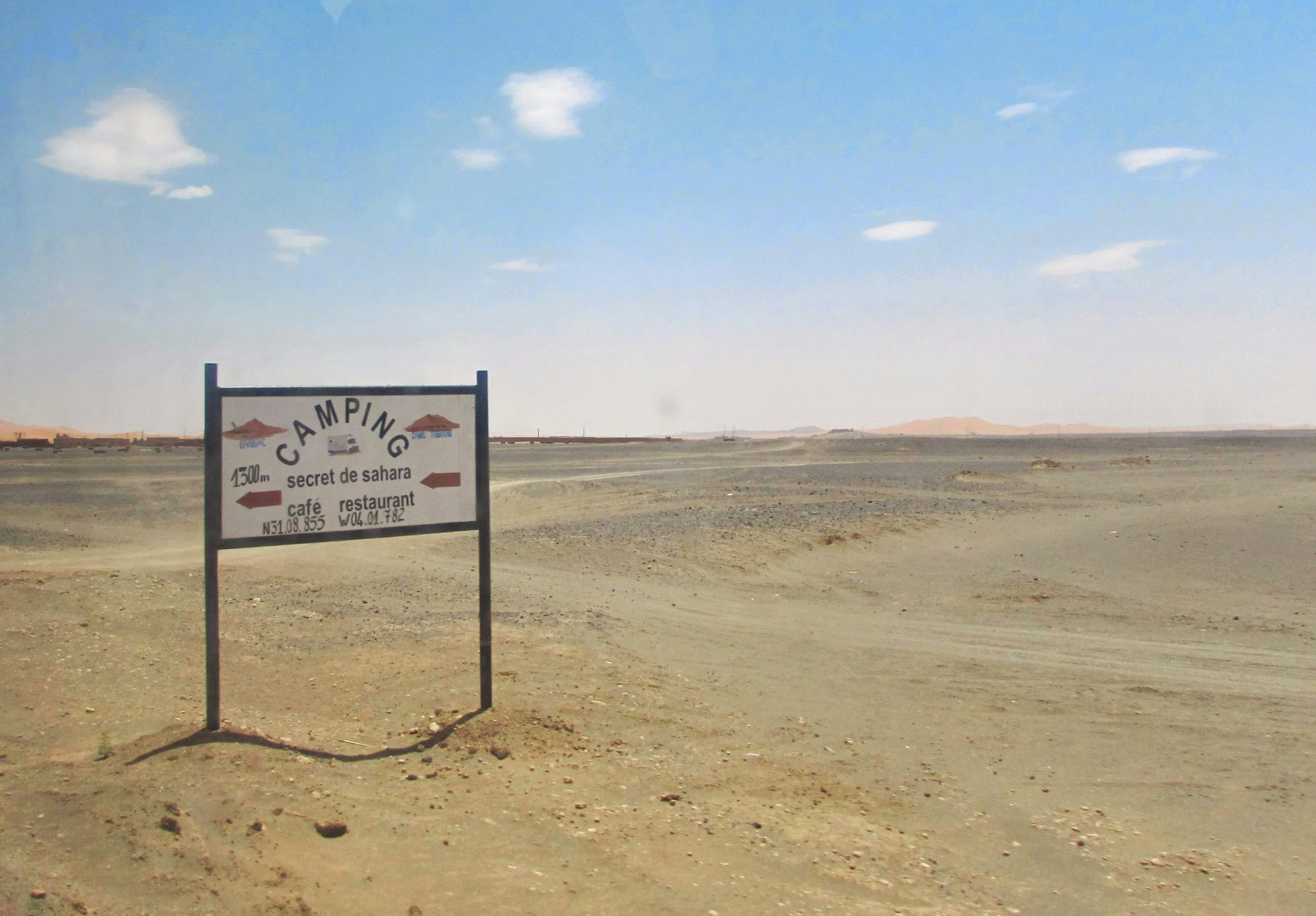
Introduction to Laayoune: The Desert Jewel of Morocco Nestled in the southwestern region of Morocco, Laayoune stands as a lesser-known yet captivating destination that is increasingly capturing the attention of travelers. Often overshadowed by more renowned cities like Marrakech and Fez, Laayoune offers a unique blend of culture, history, and geography that makes it a hidden gem waiting to be explored. The city is strategically located near the Atlantic coast, surrounded by vast stretches of desert, which creates a striking contrast of landscapes and highlights its geographical significance. Laayoune’s history is deeply intertwined with the cultural heritage of the Sahrawi people, who have inhabited the region for centuries. This rich cultural tapestry is reflected in its architecture, local traditions, and vibrant festivals, providing visitors with an authentic experience that goes beyond the typical tourist itinerary. Unlike the bustling markets of Marrakech or the historical sites in Fez, Laayoune boasts a more tranquil atmosphere, allowing tourists to engage with the local community and understand their customs and way of life. One of the primary attractions of Laayoune is its stunning natural beauty, characterized by breathtaking desert landscapes, picturesque oases, and the nearby oceanfront. Activities such as camel trekking, off-road adventures, and stargazing draw adventurous travelers eager to explore the region’s raw beauty. The blend of cultural experiences, outdoor activities, and historical significance sets Laayoune apart and emphasizes its potential as a valuable addition to Morocco’s tourism landscape. In essence, Laayoune represents an emerging destination for travelers seeking to experience the authentic heart of Morocco. With its unique offerings and cultural richness, this desert jewel is poised to gain recognition in the ever-evolving world of tourism, inviting visitors to uncover its charms and hidden treasures. National Tourism Goals and Infrastructure Developments The Moroccan government has launched an ambitious national tourism strategy, aiming to draw in millions of visitors by 2030. As part of this overarching vision, Laayoune, often regarded as a hidden jewel in the desert, is poised to become a focal point for tourism development. The strategy encompasses a series of initiatives designed to enhance the overall attractiveness of this region, thereby ensuring its status as a premier travel destination. Key to achieving these tourism goals is a significant investment in infrastructure. The government plans to improve transportation connections throughout the region, which includes upgrading airports and expanding road networks to facilitate easier access to Laayoune. These developments will not only make travel more convenient for tourists but will also stimulate local economies by encouraging visitor spending and fostering job creation. In addition to transportation improvements, the Moroccan government is prioritizing the development of hotel and hospitality sectors in Laayoune. The construction of modern hotels and eco-friendly accommodations is underway, designed to cater to a diverse range of tourists, from adventure seekers to those seeking luxury experiences. These initiatives ensure that the hospitality offering in Laayoune will be robust and competitive on a national scale. Moreover, upgrades to local amenities play a crucial role in improving the tourist experience. By enhancing public services such as sanitation, safety, and information centers, Laayoune aims to create a welcoming environment that not only attracts new visitors but also retains them for longer stays. Collectively, these efforts underline the government’s commitment to positioning Laayoune as a prominent player in Morocco’s burgeoning tourism market. Natural Wonders: Coastal Beauty Meets Sahara Landscapes Laayoune, often regarded as a hidden gem within Morocco, boasts a unique blend of natural wonders where the captivating beauty of the Atlantic coast converges with the expansive Sahara landscapes. This region is distinguished by its stunning beaches that line the coast, characterized by golden sands and gentle waves, creating ideal settings for relaxation and recreational activities. The coastal environment not only serves as a retreat for tourists but also provides opportunities for watersports such as surfing and kayaking. Beyond the coastline, the Saharan terrain offers a breathtaking backdrop that includes mesmerizing sand dunes, rocky plateaus, and varied geological formations. These natural features are not only visually striking but also provide numerous opportunities for adventure. Outdoor enthusiasts can indulge in activities like sandboarding, hiking, and camel trekking, allowing them to immerse themselves in the stunning desert environment. Moreover, the convergence of these landscapes contributes to Laayoune’s potential for ecotourism. Visitors are encouraged to engage with the local ecology through guided tours that highlight the region’s flora and fauna, which thrive in both coastal and desert settings. Photographers will find abundant inspiration here, as the diverse landscapes create ideal conditions for capturing stunning images at sunrise or sunset. The interplay of light across the sands and sea can yield breathtaking photography opportunities that showcase Laayoune’s unique natural allure. In essence, Laayoune’s natural wonders merit attention as they present a seamless blend of coastal charm and desert magnificence, inviting tourists to explore and appreciate the beauty that this Moroccan paradise has to offer. Authentic Experiences and Off-the-Beaten-Path Travel Laayoune, situated in Morocco’s southern Sahara region, offers a multitude of authentic experiences for travelers seeking adventures away from the usual tourist paths. This captivating city, alongside the nearby coastal enclave of Dakhla, showcases a rich cultural tapestry deeply rooted in local traditions. Travelers looking to immerse themselves in the area’s unique identity will discover countless opportunities to engage with its vibrant art, cuisine, and the warm hospitality of its residents. The cultural landscape of Laayoune is marked by an array of traditional practices and crafts that reflect the heritage of its indigenous communities. Local artisans skillfully create intricate pottery, textiles, and jewelry using age-old techniques that tell their own stories. Engaging with these creators provides visitors with an unprecedented glimpse into the region’s artistic lineage, making for a genuinely immersive experience. Moreover, lush culinary experiences await those looking to savor the authentic flavors of Morocco. The local cuisine, heavily influenced by Berber and Sahrawi traditions, is an exploration of spices, fresh ingredients, and recipes that have been passed down through generations. Participating in cooking classes or dining at family-run establishments allows travelers to taste regional dishes such
Cultural Festivals and Events in Laayoune: A Celebration of Heritage and Creativity
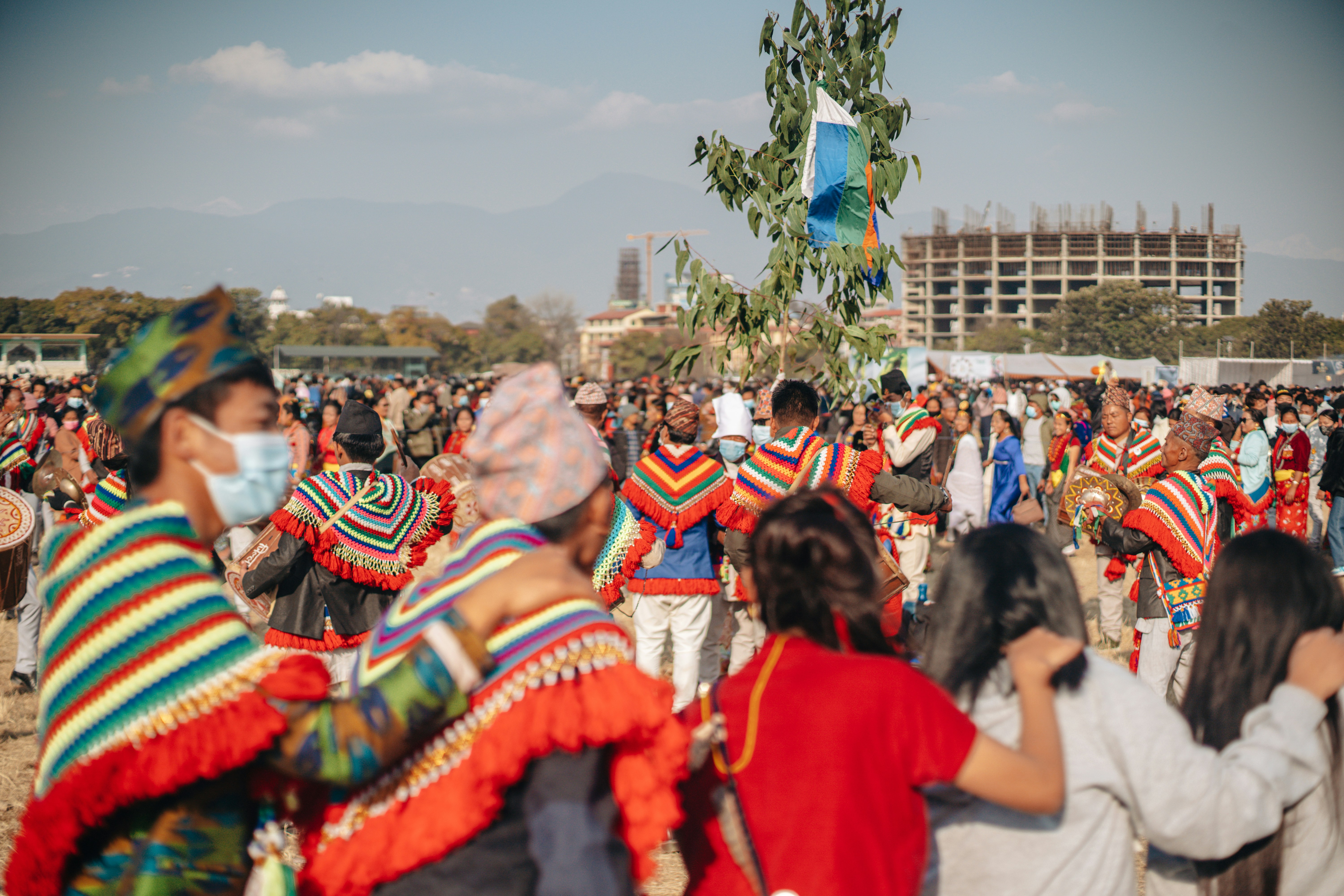
The Rich Tapestry of Hassani Music and Poetry Within the vibrant cultural landscape of Laayoune, Hassani music and poetry stand as a paramount expression of the Sahrawi identity. Originating from the rich Bedouin traditions, these artistic forms have evolved over the centuries, intertwining with local narratives and contemporary issues to reflect the community’s spirit. Hassani music is characterized by its rhythmic patterns, melody, and poignant lyrics that often narrate stories of love, resilience, and the intricacies of daily life in the Sahara. These performances are not merely artistic presentations; rather, they serve as communal gatherings that strengthen social bonds among the participants and the audience. Events highlighting Hassani music and poetry are frequented by locals and tourists alike, with gatherings often taking place during cultural festivals, allowing for a sharing of experiences and traditions. As the Sahrawi people come together, these gatherings become a focal point for the transmission of cultural values and the preservation of heritage. Noteworthy figures in the Hassani music scene have contributed significantly to the artistic landscape of Laayoune. Artists such as the renowned singer and poet, who have gained recognition for their prowess and ability to encapsulate the essence of Sahrawi culture, play a vital role in inspiring younger generations. Their works not only celebrate the beauty of the Hassani art form but also address pressing social themes, ensuring that this cultural heritage remains dynamic and relevant. As Laayoune prepares for its upcoming cultural festivals, attendees can look forward to a rich tapestry of performances, workshops, and discussions that celebrate Hassani music and poetry. This engagement not only entertains but also educates, fostering a deeper understanding of the Sahrawi heritage and its ongoing evolution in a contemporary context. Camel Racing: A Traditional Sport with Modern Appeal Camel racing holds a distinguished position within the cultural fabric of Laayoune, serving not only as a traditional sport but also a vibrant festivity that draws attention from both locals and tourists. With its deep-rooted significance in Saharan culture, camel racing epitomizes the historical bond between the people of the region and their camels, which have been essential companions in their nomadic lifestyle for centuries. The origins of camel racing can be traced back to a time when tribes organized races to showcase the endurance and swiftness of their camels. Over time, this practice has evolved into a highly anticipated event, especially during local festivals. Today, racers meticulously prepare their camels, ensuring they are well-fed, trained, and cared for prior to races. Participants often invest considerable time and resources in selecting their best-performing animals, as the prestige associated with victory is immense. Each race day is characterized by an electric atmosphere; vibrant banners decorate the racetrack, and excited spectators gather to cheer for their favorites. Local families and visitors alike immerse themselves in the excitement, creating a carnival-like ambiance filled with the sounds of cheering crowds and the exhilarating thundering of hooves. Various categories of races are held, catering to different age groups and camel breeds, making it an inclusive celebration of agility and speed. The activity goes beyond just a sport; it fosters community spirit and pride. Furthermore, camel racing has become an essential component of cultural tourism initiatives in Laayoune. Efforts are being made to promote this ancient sport, thereby attracting visitors and enhancing awareness of the rich heritage of the Saharan tribes. By spotlighting camel racing, Laayoune not only preserves its traditions but also invigorates its local economy through tourism, linking the past with the present while fostering appreciation for its unique cultural identity. Celebrating Heritage: Local Crafts Fairs and Cultural Expositions Laayoune, the capital of Western Sahara, becomes a vibrant tapestry of colors, textures, and cultural richness during its various crafts fairs and cultural expositions. These events serve as pivotal platforms for showcasing the artistic talents and traditional crafts of the Sahrawi people, emphasizing their deep-rooted heritage. Through local crafts fairs, artisans from the region display an array of crafts that highlight their exceptional skill and creativity. Among the most notable events are the annual Sahrawi Crafts Fair and the Laayoune Cultural Exhibition. These gatherings attract both local and international visitors, providing artisans with opportunities to present handcrafted goods such as pottery, textiles, embroidery, and jewelry. Each item exemplifies the unique cultural narrative of the Sahrawi community, drawing inspiration from the region’s natural landscapes and historic traditions. Furthermore, these fairs play a critical role in promoting cultural exchange, allowing diverse audiences to engage with Sahrawi culture directly. They also significantly contribute to the local economy, as the influx of tourists boosts sales for artisans while fostering pride in traditional crafts. Collaborations with cultural organizations and government bodies are often initiated to ensure that these events are well-organized and strategically timed to coincide with major festivals, allowing for a broader reach and impact. Moreover, local artisans often engage in workshops during these exhibitions, providing insights into their craft and encouraging the transfer of skills to younger generations. Such initiatives not only preserve traditional techniques but also inspire a new wave of creativity among emerging artists. In this manner, crafts fairs and cultural expositions in Laayoune are instrumental in celebrating heritage, empowering local artisans, and promoting the region on a global stage. Future Directions: Fan Zones and Cultural Tourism Initiatives The city of Laayoune is poised for growth in the realm of cultural tourism, particularly with the upcoming African Cup of Nations (Afcon) in 2025. This significant international event presents an extraordinary opportunity for Laayoune to enhance its visibility and appeal as a cultural destination. A key aspect of these developments is the creation of fan zones—designated areas where locals and visitors can gather to celebrate the tournament and engage with various cultural activities. Fan zones are designed to provide an immersive experience for attendees, featuring exhibits that highlight the region’s rich cultural heritage, gastronomy, and traditional arts. These spaces will not only serve as gathering points for sports enthusiasts but also as platforms for showcasing local talent and promoting community engagement. By incorporating live performances,
Is Laayoune Safe and Worth Visiting? A Honest Traveler’s Guide to the Disputed Territory
Introduction to Laayoune and Western Sahara Laayoune, the capital of Western Sahara, serves as both an administrative and cultural center of a territory characterized by its complex history and ongoing political dispute. This region, located in the northwestern part of Africa, has witnessed a tumultuous past marked by colonialism and conflict. The Western Sahara conflict primarily involves a territorial dispute between Morocco, which claims sovereignty over the area, and the Sahrawi Arab Democratic Republic (SADR), proclaimed by the Polisario Front. The dichotomy of governance has fostered a sense of uncertainty regarding the status of Laayoune and its surrounding areas. The region’s history dates back to the mid-20th century when Spain decolonized Western Sahara. The subsequent emergence of the Polisario Front in 1973 led to an armed struggle for independence, resulting in a protracted conflict with Morocco. A ceasefire agreement was brokered by the United Nations in 1991, yet no definitive resolution has been achieved since then. As a result, Laayoune remains a contentious site, illustrating the ongoing complexities surrounding national identity and governance. Currently, Laayoune operates under Moroccan administration; however, the presence of the Polisario Front and their insistence on self-determination adds layers to the region’s security landscape. Travelers contemplating a visit to Laayoune should remain aware of the political sensitivities and potential risks associated with the territory. Understanding the local context, including the sentiments of the Sahrawi people and the Moroccan authorities, is crucial for ensuring a respectful journey. In summary, Laayoune encompasses rich historical narratives intertwined with contemporary political agendas. Gaining insight into the region’s socio-political fabric will not only inform travel safety considerations but will also enhance an appreciation for the resilience of its people. Assessing Safety: Is Laayoune Safe for Travelers? As with any travel destination, assessing safety is a crucial consideration for visitors planning a trip to Laayoune. Located in the disputed territory of Western Sahara, Laayoune presents a unique context for travelers, often prompting questions about the overall security and comfort during their stay. Recent travelers have generally reported a sense of safety and welcoming hospitality throughout the city, although they have also noted the importance of being aware of the local customs and potential socio-political sensitivities. Crime rates in Laayoune are relatively low compared to many urban areas worldwide. Incidents of violent crime are uncommon, and petty crimes, such as pickpocketing, are infrequent but can occur in crowded places. Travelers are advised to take the usual precautions common in any destination: keeping valuables secured and maintaining awareness of one’s surroundings. Ensuring you adopt a respectful approach towards local culture can also significantly enhance the travel experience. The presence of police and military personnel in Laayoune is noticeable, but rather than indicating a threat, it often serves to enhance safety. Security forces are tasked with maintaining order in the region, and their visibility can be reassuring to visitors. It is important for travelers to comply with local laws and to be conscious of the ongoing political nuances within the region, as these could potentially affect perceptions of safety. In addition, engaging with local guides or tour operators who are knowledgeable about the area can provide valuable insights and ensure a secure and informed exploration of Laayoune. Overall, while understanding the complexities surrounding Laayoune is essential for travelers, most visitors report feeling comfortable and safe during their time in this unique territory. Understanding the Political Context of Western Sahara The region of Western Sahara, located on the northwest coast of Africa, is characterized by a complex political background that has led to ongoing disputes between Morocco and the Sahrawi people. Historically, Western Sahara was a Spanish colony until 1975, when Spain withdrew from the territory, leading to a power vacuum. Morocco and Mauritania laid claim to the area, but upon Mauritania’s withdrawal in 1979, Morocco assumed control over most of the territory. This annexation was swiftly contested by the Sahrawi Arab Democratic Republic (SADR), which demands independence for the Sahrawi people, reflecting a strong sense of national identity. The conflict has resulted in prolonged tensions and sporadic hostilities, shaping the geopolitical landscape of the region. The United Nations has been involved since the 1990s, attempting to mediate between the conflicting parties through a peace process which includes negotiations and the proposal of a referendum on self-determination for the Sahrawi people. However, the lack of progress and commitment from both sides has stalled any resolution, leading to a protracted stalemate. Internationally, the situation is met with divergent views. Many countries recognize the right of the Sahrawi people to self-determination, while Morocco maintains significant diplomatic relations and is viewed by some nations as a stabilizing force in the region. The African Union also supports Sahrawi aspirations, placing pressure on Morocco to comply with international norms regarding territorial integrity and human rights. As travelers consider visiting Laayoune, understanding this intricate political context is crucial. The ongoing dispute significantly influences daily life and governance in the region, which can affect safety and security measures. Therefore, potential visitors must remain informed and aware of the latest developments related to the continuing conflict in Western Sahara. Practical Travel Tips: Visas and Transportation When planning a trip to Laayoune, it is vital to consider the visa requirements, which vary by nationality. Travelers from many countries, including EU nations, the United States, and Canada, can enter Morocco without a visa for stays of up to 90 days. However, it is important to verify individual requirements prior to traveling, as rules can change. Additionally, visitors holding a passport from a country that requires a visa for Morocco should ensure they obtain the correct visa from a Moroccan consulate before arrival. Once you have your visa squared away, the next step is to determine your travel route to Laayoune. This city is located in Western Sahara, and there are several ways to reach it from major Moroccan cities such as Agadir and Casablanca. The most popular option is to fly, as the Laayoune Hassan I Airport is serviced directly from both cities with regular
The Economic Boom of Laayoune: Phosphate, Fishing, and Morocco’s Southern Investment Hub
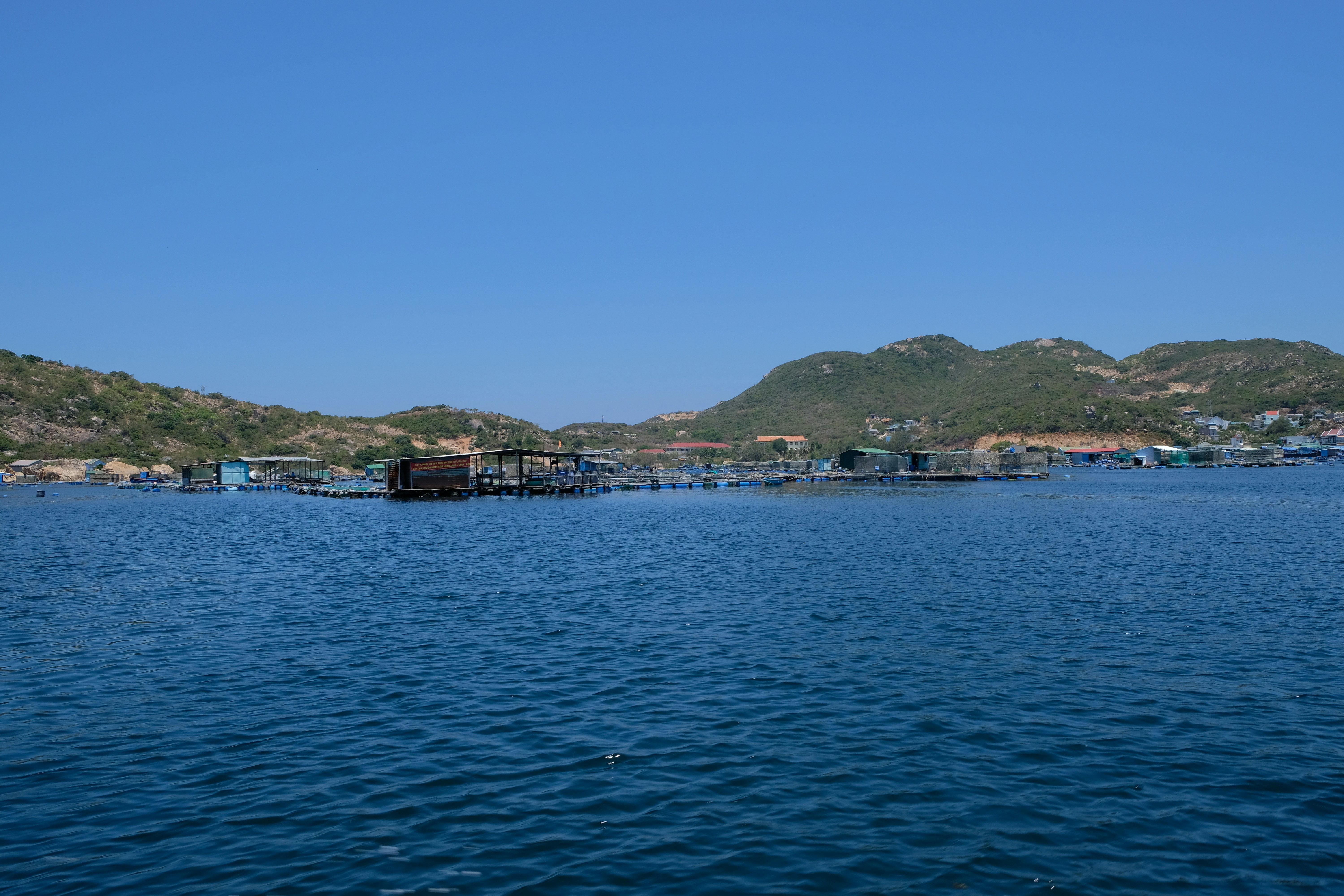
Laayoune’s Economic Landscape Laayoune, a city situated in the southern regions of Morocco, stands as a pivotal player in the nation’s economic development. Its geographical position, characterized by proximity to both the Atlantic Ocean and the Saharan Desert, provides it with unique advantages in terms of natural resources and trade routes. Historically, Laayoune has been shaped by its colonial past and the ongoing dynamics of the region, which have profoundly influenced its economic trajectory. Over the past few decades, Laayoune has undergone significant transformation, evolving into a prominent investment hub within Morocco. This shift has been driven primarily by the rich deposits of phosphates found in the surrounding areas, leading to increased mining activities that have substantially contributed to the local economy. Phosphates are crucial for numerous industries, including agriculture and fertilizer production, making them a vital component of Morocco’s export economy. Fishing also plays a significant role in Laayoune’s economic landscape. The city is strategically located along a coastline rich in marine resources, which has fostered a thriving fishing industry. This sector not only provides local employment but also supports the broader Moroccan economy through exports to international markets. The capture and processing of fish, complemented by sustainable practices, are essential for ensuring the long-term viability of this economic pillar. Additionally, as the Moroccan government seeks to decentralize investment and stimulate growth in its southern regions, Laayoune has attracted various national and foreign investors. Infrastructure projects, such as roads, ports, and social services, have been initiated to bolster the local economy and improve the living conditions of residents. Such developments underscore the broader strategy aimed at transforming Laayoune into a key economic hub in Morocco, further solidifying its importance on the national stage. Phosphate Mining: The Backbone of Laayoune’s Economy Phosphate mining plays a critical role in supporting the economy of Laayoune, serving as a primary driver of growth and development in the region. The Bu Craa conveyor system, an engineering marvel, epitomizes the efficient extraction and transportation of phosphate from the mines to various processing facilities. This sophisticated system stretches over 98 kilometers and is designed to transport phosphate ore from the mining site to the processing plant located near the coast. Its strategic position allows for an optimal flow of materials, ultimately enhancing the productivity of the mining operations. The significance of phosphate extends beyond mere extraction; it is crucial for both local and national economies. In Laayoune, phosphate mining provides employment opportunities to thousands of residents, thus contributing to the livelihoods of many families. The revenue generated from phosphate extraction also plays an essential role in funding public services and infrastructure projects within the region. On a national scale, Moroccan phosphate is recognized as one of the leading minerals exported worldwide, thereby bolstering the country’s trade balance and overall economic framework. However, the phosphate mining industry is not without its challenges, particularly concerning environmental sustainability. The extraction and processing of phosphate can have significant ecological impacts, such as land degradation and water resource depletion. Addressing these environmental considerations is vital for ensuring that the industry’s growth does not come at the expense of the region’s natural resources. Ongoing efforts are being made to implement sustainable mining practices, promote reclamation of mined lands, and reduce ecological disturbances. Balancing economic development with environmental stewardship will be essential for the long-term viability of phosphate mining in Laayoune. The Thriving Fishing Industry: Connecting to Global Markets The fishing industry in Laayoune is a vital component of the region’s economy, serving as a linchpin for both local employment and international trade. Located along the Atlantic coast of Morocco, Laayoune boasts rich fishing grounds that yield a diverse array of seafood, which is increasingly being exported to global markets, particularly in Europe and Asia. The types of fish harvested in this area include species such as sardines, squid, and crustaceans, notably octopus. Fishermen in Laayoune deploy advanced fishing techniques and technology, enhancing their efficiency and ensuring sustainability. Methods such as longlining and trawling are prevalent, encompassing both artisanal and industrial fishing practices. The collaborative efforts of local fishing cooperatives also play a significant role in the consolidation of harvests, enabling better access to export channels. Exportation of seafood products not only bolsters Laayoune’s economic landscape but also contributes to the livelihoods of numerous families within the community. The fishing sector directly employs thousands of individuals, while indirectly supporting industries such as processing, transportation, and distribution. Local businesses, particularly those involved in seafood processing, have seen a considerable uptick in growth due to increased demand in international markets. The relationship between the fishing industry and global markets underscores Laayoune’s potential as a strategic investment hub. With expanding trade agreements and access to larger markets, the fishing sector will continue to thrive, fostering local economic growth. Overall, the fishing industry exemplifies Laayoune’s ability to interconnect with global economies, providing opportunities for both development and sustainable practices in the region. Recent Infrastructure Projects Driving Growth The city of Laayoune has witnessed significant infrastructure development in recent years, which plays a pivotal role in stimulating economic growth. Among the most notable projects is the construction of new ports that aim to facilitate increased maritime trade. These ports are equipped with modern facilities that can accommodate larger vessels, which enhances the region’s capacity to export phosphates and seafood products efficiently. This development not only boosts the local economy but also positions Laayoune as a strategic trading hub in the region. Additionally, the establishment of solar energy plants is particularly noteworthy. Morocco has made remarkable strides in renewable energy, and Laayoune is no exception. The new solar facilities provide a sustainable source of energy that supports both industrial activities and local communities. By harnessing solar power, the region is taking significant steps towards reducing its carbon footprint while ensuring a reliable energy supply. This strategic push into renewable energy fosters an environment conducive to business growth and attracts further investment. Furthermore, road construction initiatives are improving transportation networks throughout the area. Upgraded roads and highways not only
Laayoune: The Gateway to Morocco’s Sahara
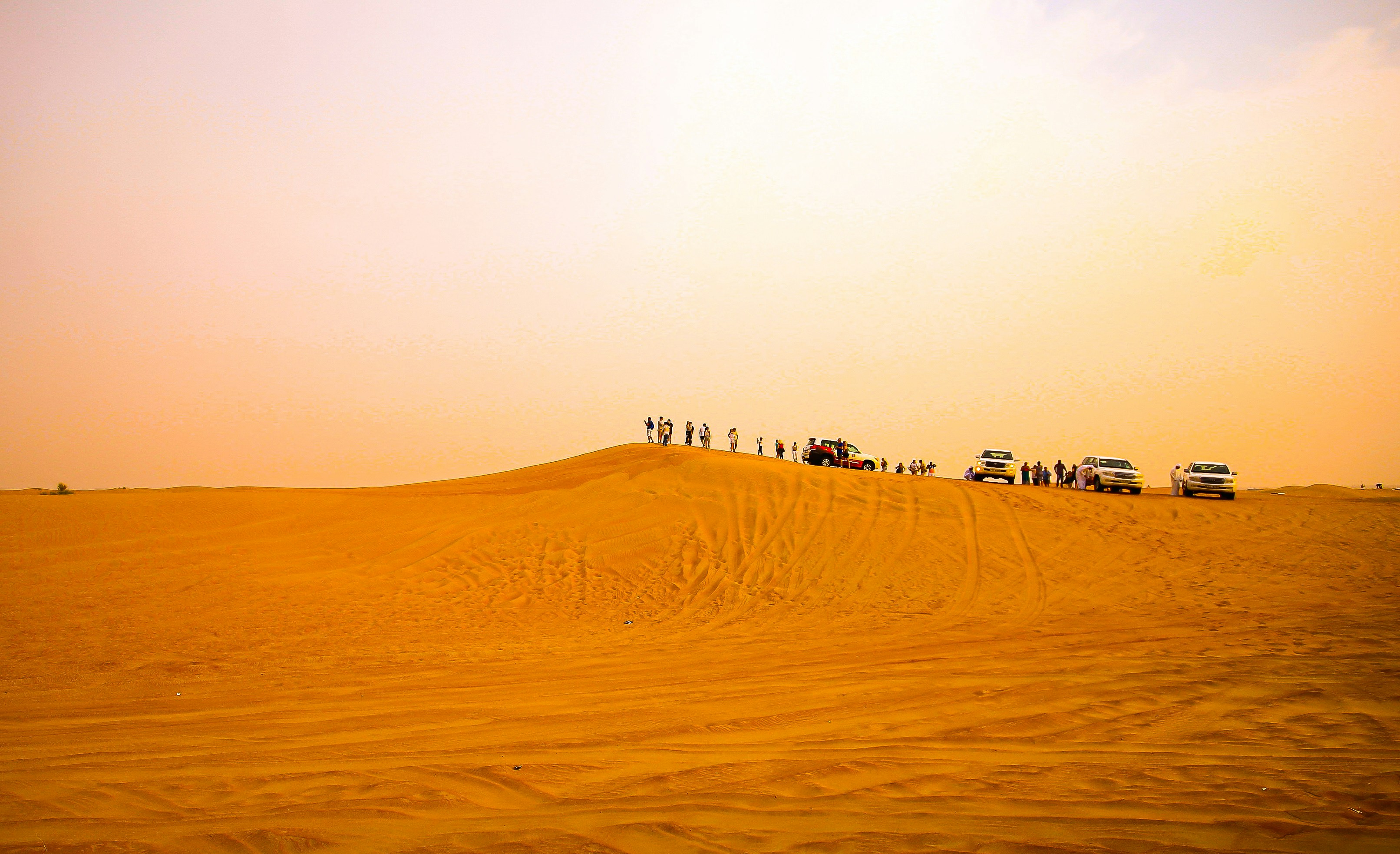
Introduction to Laayoune: A City of Contrast Laayoune, often referred to as the gateway to Morocco’s Sahara, is a city rich in history and cultural significance. Located in the southern part of the country, it serves not only as a local economic hub but also as an essential starting point for travelers seeking to explore the vast and diverse landscapes of the Sahara Desert. The city is marked by a unique blend of traditional Moroccan elements and modern developments, creating an intriguing contrast that attracts visitors from around the globe. Historically, Laayoune has held strategic importance due to its location. It was initially established as a military outpost in the 1930s, and since then, it has evolved into a vibrant urban center serving both local populations and visitors. The cultural landscape of Laayoune is enriched by a mix of Berber, Arab, and Sahrawi influences, which is evident in the local cuisine, architecture, and festivals. This cultural synthesis creates a warm ambiance that welcomes adventurers keen on discovering the region’s rich heritage. The geographical setting of Laayoune is equally fascinating, as it sits near the coast of the Atlantic Ocean while being only a short distance from the expansive Sahara Desert. This unique positioning allows travelers to enjoy both the tranquil beauty of coastal landscapes and the mesmerizing allure of sandy dunes in a single journey. Moreover, Laayoune functions as a key logistical point for those embarking on expeditions into the wilderness of the Sahara, offering access to various tour operators and essential services, enhancing the overall travel experience. In essence, Laayoune presents itself not just as a city but as a vital connection between urban life and the natural wonders of Morocco’s Sahara. It stands ready to serve as a launching pad for adventure seekers and cultural enthusiasts alike, promising a rich array of experiences that showcase the best of both worlds. Desert Adventures: Exploring the Golden Dunes Laayoune, situated at the cusp of Morocco’s magnificent Sahara, offers an array of exhilarating desert adventures that beckon travelers seeking both thrill and serenity. The golden dunes of the Sahara are not just a visual spectacle; they provide numerous recreational opportunities that cater to varying preferences. From sandboarding to camel treks, tourists can immerse themselves within this enchanting landscape. Sandboarding, a popular activity for adrenaline seekers, involves gliding down the slopes of soft dunes on a board, akin to snowboarding but under the warm desert sun. Individuals new to the sport are encouraged to seek out local guides who can provide essential equipment and safety advice. The early morning hours or late afternoons are the best times to engage in this activity, as the temperatures remain manageable and the golden hues of the sand are accentuated during these illumination conditions. Additionally, camel treks represent a traditional way to explore the Sahara, allowing participants to engage with these gentle creatures while traversing the golden sands. Guided tours often include charming experiences such as overnight camping in Berber tents, offering an authentic look into the nomadic lifestyle of the region. These excursions are best undertaken in the cooler months, from October to April, when the desert is much more pleasant.As with any outdoor activity in desert environments, preparation is key. Travelers should remain well-hydrated, wear appropriate sun protection, and ensure they have a reliable guide with knowledge of the terrain. By approaching these desert adventures with safety in mind, visitors can fully embrace the allure of the vast Sahara and create unforgettable memories under its starry skies. Khenifiss National Park and its Breathtaking Ecosystems Khenifiss National Park, situated on the Atlantic coast of Morocco near Laayoune, is a vital protected area known for its diverse and unique ecosystems. Covering approximately 100,000 hectares, this national park features coastal wetlands, sand dunes, and a rich variety of habitats that harbor numerous species of flora and fauna. The park is especially renowned for its significance as a migratory bird habitat, attracting birdwatchers and nature enthusiasts from around the globe. The park’s wetlands serve as crucial stopover sites for numerous migratory birds on their journey between Europe and Africa. Among the most notable species are the Greater Flamingo, Black-winged Stilt, and various species of herons and ducks. These birds are drawn to Khenifiss’s abundant food sources and safe nesting grounds. The varied landscape of the park, interspersed with lagoons and marshes, creates ideal conditions for these avian visitors, making it a hotspot for ornithological studies and observations. Khenifiss is not only significant for its birdlife but also for its overall biological diversity. The park is home to numerous plant species, including coastal flora adapted to the arid conditions, as well as endangered species that thrive in its unique ecosystems. Visitors can explore these remarkable environments through a variety of activities such as nature hikes, which offer opportunities to observe wildlife and enjoy the serene natural beauty of the area. For those interested in visiting Khenifiss National Park, proper planning is essential. The best time for birdwatching typically occurs during spring and autumn, coinciding with peak migration periods. Facilities within the park include designated viewing points and guided tours, ensuring an enriching experience for all nature lovers. Khenifiss National Park stands as a testament to Morocco’s commitment to preserving its natural heritage, providing an invaluable refuge for both wildlife and visitors alike. Day Trips and Excursions: From Ancient Rock Carvings to Coastal Beauty Laayoune, located at the gateway to Morocco’s Sahara, serves as an ideal base for a variety of day trips and excursions that unravel the rich cultural and natural heritage of the region. One popular excursion is to the ancient rock carvings found at the nearby site of Ezzhiliga. These petroglyphs, dating back thousands of years, offer a glimpse into the lives and beliefs of the prehistoric peoples who once inhabited this arid landscape. Guided tours are available for visitors curious to explore these historical gems, which include depictions of animals and human figures, carving out a narrative of humanity’s connection with nature. In addition to
Top 10 Must-Visit Attractions in Laayoune: Exploring Cultural Gems and Natural Wonders
The Grand Mosque: A Beacon of Faith and Architecture The Grand Mosque of Laayoune stands as a remarkable example of Islamic architecture and cultural significance within the region. Built in the contemporary style yet imbued with traditional Moroccan elements, the mosque captivates both visitors and locals alike. Its grand façade, adorned with intricate geometric patterns and towering minarets, reflects the rich cultural heritage of Morocco. Emphasizing the importance of spiritual spaces in urban environments, the mosque serves not only as a center for worship but also as a focal point of community gatherings. Completed in 1987, the Grand Mosque plays a crucial role in the lives of the local population, acting as a sanctuary for both daily prayers and special religious events. The spacious prayer hall is capable of accommodating a large number of worshippers, illustrating the mosque’s importance during significant religious occasions such as Eid al-Fitr and Friday prayers. In addition to its function as a place of worship, the mosque is a venue for educational activities, including classes on the Quran and Islamic teachings, thus contributing to the spiritual and intellectual growth of the community. Beyond its role as a religious institution, the Grand Mosque exemplifies the fusion of art and spirituality in architecture. The use of vibrant tiles and calligraphy not only enhances its aesthetic appeal but also embodies the principles of faith that guide Islamic practice. As a result, it has become a prominent landmark in Laayoune, attracting tourists who seek to understand the cultural and historical context of Morocco. The mosque stands as a testament to the Islamic faith, showcasing the significance of architecture in enhancing communal identity and belonging. The Grand Mosque, therefore, symbolizes more than just a place of worship; it represents a cornerstone of Laayoune’s cultural and spiritual landscape. Place du Méchouar: The Heart of Laayoune Place du Méchouar serves as a pivotal element within the urban landscape of Laayoune, representing not only a geographical center but also a flourishing hub for social interaction. This lively square encompasses a rich tapestry of cultural experiences, where both locals and visitors converge for various events, celebrations, and casual gatherings. Surrounded by notable landmarks, Place du Méchouar is easily identifiable by its spacious layout and vibrant atmosphere. It often serves as the backdrop for public functions, including cultural festivals and national celebrations. The square is punctuated with lush greenery and artistic features that enhance its appeal, making it a picturesque spot for photography and leisure strolls. Here, visitors can also find numerous cafés and shops, offering a range of local delicacies and handmade crafts that reflect the region’s unique heritage. One of the most striking attributes of Place du Méchouar is its accessibility to various other important sites in Laayoune. From almost any vantage point within the square, notable buildings such as the Royal Palace and local galleries are within easy reach. This convenient location makes it an ideal starting point for those wishing to explore the wider array of attractions in Laayoune. When visiting Place du Méchouar, one can expect an immersive experience that encapsulates the spirit of Laayoune. The square is often abuzz with the chatter of local vendors, street performers, and community members, fostering an inclusive environment. Whether one is participating in a public event or simply observing the dynamic exchanges among residents, the ambiance at Place du Méchouar is undeniably vibrant and welcoming. Protection of Prehistory Industries Association Museum: A Journey Through History The Protection of Prehistory Industries Association Museum serves as a vital repository for the rich history of the Laayoune region. Established to promote awareness and appreciation of the area’s prehistoric artifacts, this museum offers a detailed insight into the origins and development of early human civilizations in the Sahara. Visitors are greeted by a diverse array of exhibits that illustrate the prehistoric lifestyle, showcasing tools, pottery, and various other artifacts that date back thousands of years. One of the museum’s standout features is its collection of ancient tools, meticulously preserved to reveal the ingenuity and resourcefulness of early inhabitants. The exhibits are carefully curated, and each display includes informative descriptions, providing context about the artifacts and their significance to the region’s history. This educational approach not only enhances visitor understanding but also fosters a sense of connection with the past. Moreover, the museum’s role in cultural preservation extends beyond mere exhibits. It actively engages in research and outreach programs aimed at promoting the importance of archaeology and heritage conservation. Workshops and seminars are often conducted, inviting scholars and the community to share knowledge and discuss the relevance of prehistoric studies. Through these efforts, the museum reinforces its mission to safeguard Laayoune’s historical treasures and ensure that they are preserved for future generations. By visiting the Protection of Prehistory Industries Association Museum, one embarks on a captivating voyage through time, gaining not only a deeper understanding of the cultural heritage of Laayoune but also appreciating the intricate link between our past and present. This museum is undoubtedly a key attraction for those seeking to explore the profound history embedded in this vibrant region. Sahara Adrénaline Park: Adventure Awaits Nestled amidst the stunning dunes of the Sahara, Sahara Adrénaline Park stands as a premier destination for thrill-seekers and families alike. This adventure park is designed to offer an array of adrenaline-pumping activities that cater to visitors of all ages. From exhilarating dune bashing to exciting quad biking, the park serves as a playground for those looking to satisfy their adventurous spirits while exploring the natural beauty of the region. The park’s signature attraction, dune bashing, invites visitors to hop into powerful 4×4 vehicles. Here, they can experience the thrill of racing over the undulating sand, navigating sharp turns, and leaping off the sandy crests. The skilled drivers ensure a safe yet exhilarating experience, making it ideal for both first-timers and seasoned enthusiasts. For those who prefer a more hands-on approach, quad biking offers a perfect alternative, allowing individuals the freedom to explore vast stretches of the desert at their
Sahrawi Hospitality and Hassani Culture: Experiencing Authentic Life in Laayoune
Introduction to Sahrawi Hospitality Sahrawi hospitality is a profound aspect of life in Laayoune, reflecting the rich cultural heritage of the Sahrawi people. This traditional way of welcoming guests extends beyond mere politeness; it embodies a complex social fabric woven with threads of respect, honor, and a deep sense of community. Within the Sahrawi culture, hospitality is not simply an act but a revered virtue that shapes interpersonal relationships and social interactions. The significance of hospitality in Sahrawi culture is evident in how members of the community treat visitors, viewing them as a blessing rather than an obligation. When entering a Sahrawi home in Laayoune, one is often greeted with warmth and friendliness, establishing an atmosphere of familial comfort. It is customary for hosts to offer refreshments and traditional dishes, as sharing a meal is considered one of the most profound ways to exhibit hospitality. The unique flavors and preparations of Sahrawi cuisine play a crucial role in this experience, facilitating bonds between guests and hosts. This culture of welcoming is deeply rooted in the Sahrawi’s nomadic ancestry, where survival depended on cooperation and solidarity within communities. Generosity and support for one another were essential for navigating the harsh desert landscape, which has carried over into modern practices. Tales of legendary hospitality have been passed down through generations, reinforcing the expectation that guests should always feel at home. This warm-hearted approach invites not only the enjoyment of food and drink but also a sense of belonging within the broader community. In Laayoune, the practice of Sahrawi hospitality extends to all, emphasizing that regardless of background or status, everyone is deserving of acknowledgment and kindness. This cultural hallmark reflects a society that values connection, with hospitality serving as a vital means of fostering relationships and strengthening communal ties. The Heart of Hassani Culture The Hassani culture, deeply rooted in the Sahrawi identity, originates from a blend of indigenous Berber, Arab, and African influences. This eclectic mixture has culminated in a unique cultural framework that resonates through various aspects of life in Laayoune, the capital of Western Sahara. The Hassani people have a profound connection to their land, with traditions that reflect their nomadic past and agrarian practices, symbolizing resilience and adaptability. Key to understanding Hassani culture is the significance of oral traditions and storytelling. Generations have handed down tales that articulate the values, challenges, and history of the Sahrawi people. This rich oral heritage not only serves as entertainment but is also a vital educational tool, encapsulating moral lessons and communal knowledge. Music, poetry, and dance further enhance this storytelling tradition, serving as vital expressions of cultural identity. The culinary practices within Hassani culture also play an essential role in cultural expression. Traditional dishes, often prepared for communal gatherings, reflect the sophistication of Sahrawi hospitality. Ingredients such as lamb, chicken, and various spices highlight a blend of flavors reminiscent of the region’s history and diverse interactions. Meals are often accompanied by stories shared among family and friends, reinforcing bonds and cultural continuity. Traditions of Nomadic Poetry The rich tradition of Sahrawi poetry, particularly nomadic poetry, serves as a vital cultural expression among the Sahrawi people. Rooted in the region’s historical context, this form of poetry has been a means of preserving stories, values, and communal memory, acting as an oral history that conveys the struggles and triumphs of its people. It encapsulates the spirit of the Sahrawi way of life, connecting individuals to their land and heritage. Nomadic poetry often explores themes of love, bravery, loss, and the beauty of the desert landscape. The verses, typically composed in the Hassaniya dialect, utilize vivid imagery and metaphors that resonate with the experiences of the Sahrawi. By celebrating the nomadic traditions, these poems highlight the resilience of a people who have adapted to the harsh conditions of their environment while maintaining a deep connection to their roots. In daily life and social gatherings, poetry plays a pivotal role in fostering community bonds. It is not uncommon for Sahrawi gatherings to begin or end with recitations of poetry, where participants share their feelings and experiences through well-crafted verses. This practice reinforces social ties and serves as a platform for individuals to express their individuality while adhering to communal norms. The art of nomadic poetry is not just a relic of the past but continues to thrive, inspiring newer generations to engage with their cultural heritage. Whether performed at weddings, cultural events, or informal gatherings, these poetry recitations provide an opportunity for the Sahrawi to showcase their identity and communicate shared values. Hence, the tradition stands as a testament to the enduring nature of Sahrawi hospitality, where the act of sharing words fosters deeper connections among community members. The Vibrancy of Hassani Music Music plays an integral role in Hassani culture, serving not only as a source of entertainment but also as a vital medium for storytelling and community bonding. The melodies and rhythms of Hassani music resonate deeply with the history and traditions of the Sahrawi people, encapsulating their experiences and emotions. Various musical styles are prominent in this culture, with genres such as goulam and raï showcasing the unique sounds and narratives that the Sahrawis express through their art. Traditional instruments are essential in creating the rich soundscape of Hassani music. The guitar, often used in modern variations of Hassani music, is a staple that complements the traditional guembri, a three-stringed lute, and the bendir, a frame drum that punctuates the rhythms. These instruments are often played during celebrations, weddings, and communal gatherings, fostering a sense of unity and shared identity among participants. Hassani music also holds profound historical significance, acting as a powerful vehicle for storytelling and oral tradition. Through song, the Sahrawi people recount tales of their ancestry, struggles, and daily life, thus preserving their cultural heritage for future generations. The evocative lyrics, often delivered in Hassani Arabic, voice both sorrow and joy, encapsulating the duality of the Sahrawi experience in a post-colonial context. In this way, the music of
Colonial Echoes in the Sahara: Discovering Laayoune’s Spanish Architectural Legacy
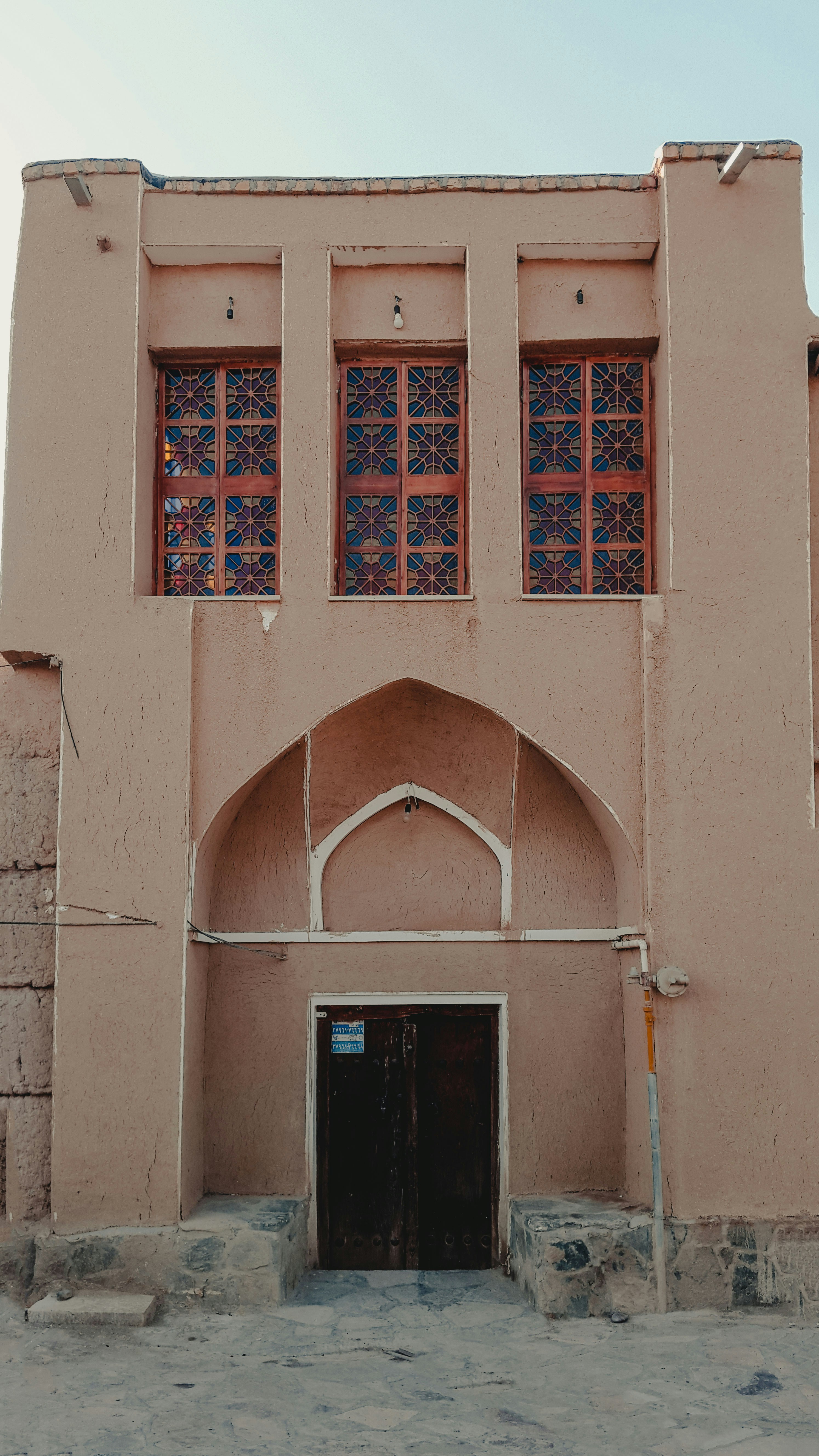
Introduction to Laayoune: Beyond the Ordinary Laayoune, the capital of the disputed territory of Western Sahara, serves as an intriguing intersection of cultures, reflecting its rich historical tapestry. Known for its distinctive blend of Berber, Arab, and Spanish influences, Laayoune stands out as a city that narrates tales of colonial encounters and resilient identities. Established as a Spanish colonial outpost, Laayoune’s significance is underpinned by its colonial past, which has left a lasting imprint on its architecture, culture, and social dynamics. Understanding Laayoune’s architectural legacy is imperative for those seeking to grasp the essence of the region. The Spanish colonial period, which began in the late 19th century, drastically reshaped the urban landscape and cultural identity of Laayoune. This era saw the establishment of colonial buildings designed to serve administrative and residential purposes, many of which still stand today, showcasing a distinct architectural style that merges European and local influences. These structures not only serve as historical landmarks but also as symbols of the complexities of colonialism and its long-term effects on local populations. From the distinctive balconies and wide-open plazas to the colors and materials utilized in building facades, Laayoune’s architecture tells stories of varying cultural exchanges and adaptations. As visitors explore its streets, they are reminded of the intricate histories embedded within these structures. A proper understanding of Laayoune, therefore, requires a consideration of these historical narratives, as they provide valuable insights into the region’s identity and cultural resilience. As we delve deeper into Laayoune’s Spanish architectural legacy, it becomes clear that the city is much more than a mere geographical location; it is a living testament to the rich history that continues to shape the lives of its inhabitants. A Historical Overview of Spanish Influence in Laayoune Laayoune, a city located in the Moroccan region of Western Sahara, has a rich historical tapestry woven with the threads of Spanish colonial influence. The Spanish presence in this area began in the late 19th century, primarily as a result of the scramble for Africa, where European powers sought to expand their territories. In 1884, Spain formally claimed Western Sahara as a protectorate, motivated by both geopolitical strategies and economic ambitions. Initially, Spain aimed to establish control over the rich mineral resources found within the region, along with fostering new trade routes across the Atlantic. Laayoune was established as a strategic port; its location allowed for coordinated efforts in maritime trade and control over neighboring territories. The Spanish administration focused on constructing essential infrastructures, including roads, schools, and health institutions, which contributed to the urban development of Laayoune. One significant event that shaped Laayoune’s evolution was the signing of the Treaty of Fez in 1912, which formalized the division of Morocco between Spanish and French colonial forces. This agreement not only marked Laayoune as a Spanish enclave but also laid the groundwork for the socio-political dynamics of the region. The Spanish social policies often resulted in the marginalization of local Sahrawi populations, leading to tensions that would last for decades. Furthermore, the Spanish colonial era witnessed significant cultural exchanges, as the Spanish brought their architectural styles, language, and customs to Laayoune. The legacy of this influence remains evident in the city’s urban landscape today, showcasing a fusion of Moroccan and Spanish architectural elements. These buildings served not just as shelters but as symbols of the historical complexity surrounding Laayoune. The impact of Spanish colonial ambition during this transformative period is still a subject of academic study and local reflection, illustrating the lasting impressions of colonialism on contemporary Moroccan society. The Colonial Quarter: An Architectural Journey The Colonial Quarter, also known as the Lower Town of Laayoune, serves as a remarkable testament to the historical interplay between Spanish colonial influence and Moroccan culture. Its layout reflects a unique blend of architectural styles, creating an intriguing urban space that showcases this distinctive era. As one traverses the cobbled streets, it becomes apparent that the Colonial Quarter is meticulously structured, with wide avenues and public squares arranged in a way that facilitates both flow and community gathering. Central to the Colonial Quarter’s charm are its key features, which include charming plazas adorned with traditional Moroccan mosaics, colorful tiled facades, and wrought-iron balconies. These elements underline the coexistence of Spanish and Moroccan styles, revealing a narrative of cultural interchange. The combination of stucco walls with intricate patterns is not merely decorative; it tells the story of the various phases of colonial expansion and the adaptation of European designs to fit local aesthetics. Exploring the public spaces within the Colonial Quarter further exemplifies this architectural journey. The main plaza often serves as a focal point for community life, where residents gather for markets and social events, enriching the experience of both locals and visitors. Architectural highlights, such as the former colonial administrative buildings, exhibit grand arches and tiled roofs reminiscent of Spanish architecture while incorporating regional motifs, reflecting a purposeful melding of identities. Overall, Laayoune’s Colonial Quarter presents a fascinating canvas, where the remnants of Spanish colonial architecture intersect with Moroccan cultural identity. This architectural journey reveals the stories etched in every wall and cobblestone, inviting exploration and appreciation of Laayoune’s rich historical legacy. St. Francis of Assisi Cathedral: A Cultural Landmark The St. Francis of Assisi Cathedral, located in Laayoune, stands as a significant testament to the region’s colonial history and cultural intermingling. Constructed during the Spanish colonial era in the early 20th century, this cathedral exemplifies the fusion of European and North African architectural elements. The building features a combination of modernist designs blended with traditional materials, creating an aesthetic that is both unique and reflective of Laayoune’s diverse heritage. Architecturally, the cathedral showcases distinctive elements such as arched windows, terracotta roof tiles, and intricate stone carvings that echo the stylistic preferences of Spanish architecture while adapting to the local climate and environment. The towering bell tower, which can be seen from various points around the city, serves as a reminder of the cathedral’s central role in the community. Its striking facade
The Springs of Laayoune: Unraveling the Etymology and Evolution of a Desert Oasis
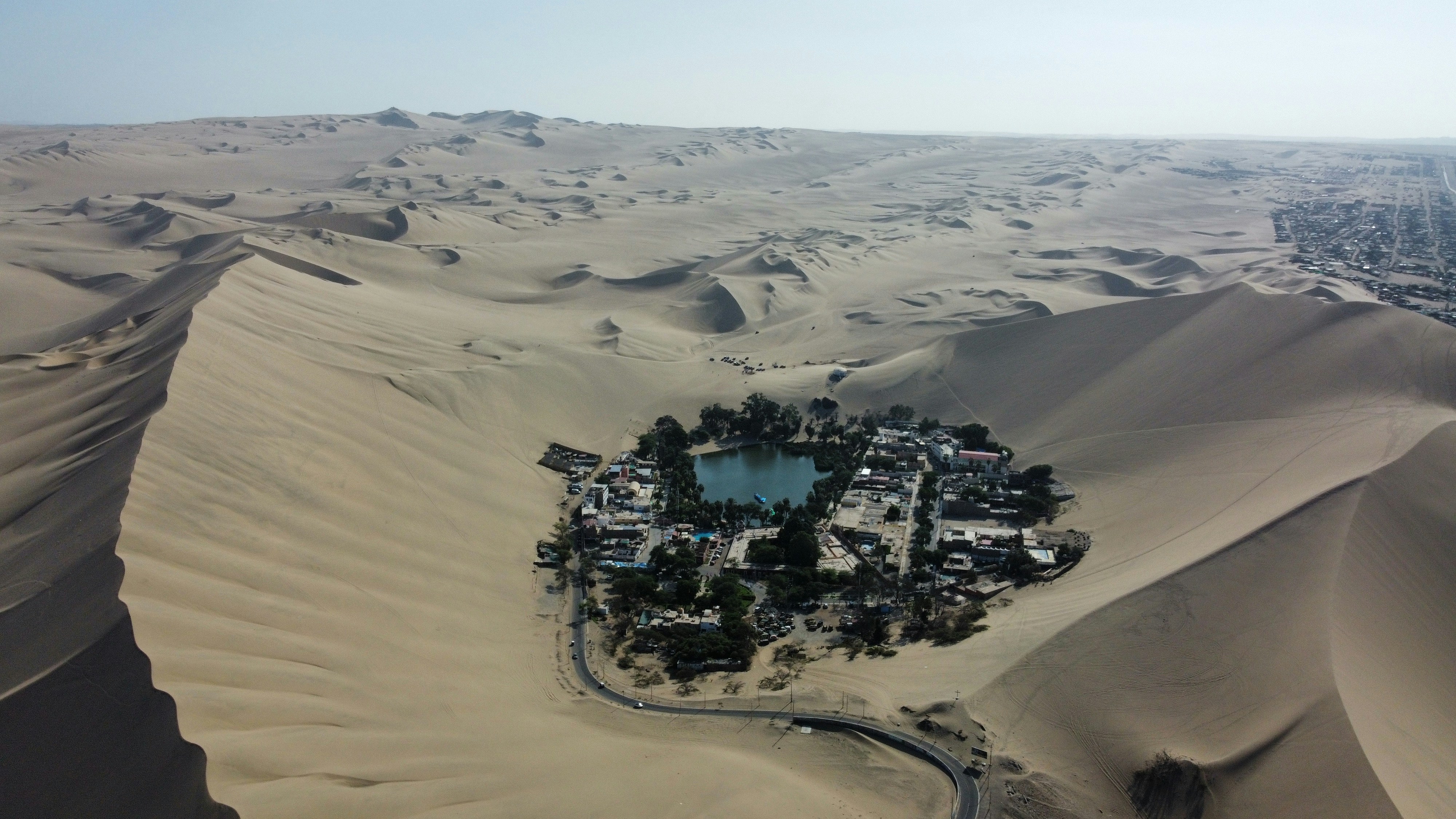
Introduction to Laayoune Laayoune, the capital city of Western Sahara, serves as a pivotal center both geographically and culturally within the region. Situated near the Atlantic coast, Laayoune is nestled among the arid landscapes that characterize the Saharan terrain. Its strategic location provides not just access to maritime resources but also influences trade and cultural exchanges between the different peoples inhabiting this territory. Historically, Laayoune has been influenced by various civilizations and cultures, including Berber, Arab, and European, each leaving an indelible mark on the city’s development. The significance of Laayoune extends beyond its urban boundaries. The city is often viewed as a vital oasis amidst the desert, with water sources playing a critical role in its establishment and growth. The name “Laayoune” itself etymologically translates to “the springs” in Arabic, highlighting the essential role of water in both the livelihood and survival of its inhabitants. This link to water sources is crucial for understanding the city’s evolution, reflecting its dependence on these natural resources to support agriculture, local industry, and overall urban life. Culturally, Laayoune is a melting pot that showcases a blend of tradition and modernity. The city is home to various festivals and events that celebrate the rich heritage of the Sahrawi people, while simultaneously adapting to the contemporary dynamics of urban living. The vibrant blend of cultures here emphasizes the unique identity of Laayoune, as it navigates its historical roots and the aspirations of its diverse population. Understanding the geographical and cultural fabric of Laayoune provides a foundation for further exploration into its name and its significance as a desert oasis. Etymology of ‘Laayoune’ The name ‘Laayoune’ is derived from the Arabic term ‘عين’ (pronounced as ‘ayoun’), which translates to ‘springs’ or ‘fountains’ in English. This nomenclature reflects the region’s essential elements, particularly its natural water sources, which play a pivotal role in sustaining both the ecosystem and the communities that dwell in this arid landscape. Historically, the springs have served as crucial hubs for settlement and agriculture, enabling people to thrive in a largely inhospitable environment. Laayoune’s etymology indicates a deep connection between the inhabitants and the natural resources surrounding them. The term embodies the very essence of life-giving water that has shaped the socio-economic activities in the region. Springs provide crucial hydration not only for those residing in the area but also for livestock and agricultural pursuits, illustrating the interdependence of water resources and human survival. Moreover, the springs that gave Laayoune its name are a geographic feature that has influenced trade routes throughout history. They have attracted travelers and merchants alike, fostering cultural exchanges and enriching the social fabric of the region. The name echoes the historical significance of these water bodies, illustrating how integral they have been to the development of the oasis. As one analyzes the etymology of Laayoune, it becomes evident that the name is more than just a label; it encapsulates the life-sustaining characteristics of the region. This interplay between language and environment is reflective of broader themes in geography, where natural features significantly influence cultural identity. Understanding the etymology of Laayoune thereby offers a glimpse into the heart of this desert oasis, celebrating the springs that have defined it for centuries. Historical Importance of Water Sources The springs of Laayoune, nestled within one of the harshest climates on Earth, have played an indispensable role in shaping the history and cultural development of the region. For centuries, these natural water resources served as a vital lifeline for early settlers, enabling them to establish communities in an otherwise arid landscape. The availability of water not only supported human habitation but also fostered the growth of agriculture, which became crucial in a region predominantly defined by its desert surroundings. The springs often acted as gathering points for nomadic tribes and settled populations alike. As these communities formed, they began to engage in trade and cultural exchanges, transcending their geographical isolation. The water resources facilitated agriculture and allowed inhabitants to cultivate crops, ultimately contributing to food security and the economic sustainability of the local populace. Moreover, the establishment of settlements near these springs became a focal point for social and political organization. The presence of water sources resulted in a concentrated population, which led to the evolution of intricate social structures and governance systems to manage the shared resource. Consequently, the history of Laayoune can be interpreted through the lens of its springs, revealing a complex tapestry of human adaptation and resilience amid environmental extremes. In addition to enabling agriculture and trade, the springs influenced migration patterns across the Sahara, becoming critical waypoints for caravans journeying through the desert. Over time, these water sources also attracted attention from colonial powers, further altering the socio-political landscape of the region. Today, the historical significance of the springs of Laayoune extends beyond mere survival; they stand as a testament to human ingenuity and the profound impact of natural resources on the development of civilization in challenging environments. The Role of Springs in Local Life The springs of Laayoune hold immense significance in shaping the daily life of the surrounding communities. Located in a predominantly arid landscape, these natural water sources are vital for sustaining agriculture, providing drinking water, and supporting local ecosystems. The reliability of the springs has historically dictated settlement patterns, making them essential hubs for human activity. One of the most profound impacts of the springs is their role in agriculture. The availability of freshwater from these springs allows for the cultivation of various crops, transforming the arid desert into fertile land. Local farmers have depended on these springs for irrigation, adapting their farming practices to enhance yield and sustain livelihoods. This reliance has fostered traditional agricultural techniques, which are passed down through generations, thus embedding the springs into the cultural and agricultural identity of the region. Moreover, the community’s connection to the springs extends beyond mere survival; they are part of local customs and practices. Celebrations and rituals often revolve around these indispensable water sources, symbolizing life and sustenance. The springs