
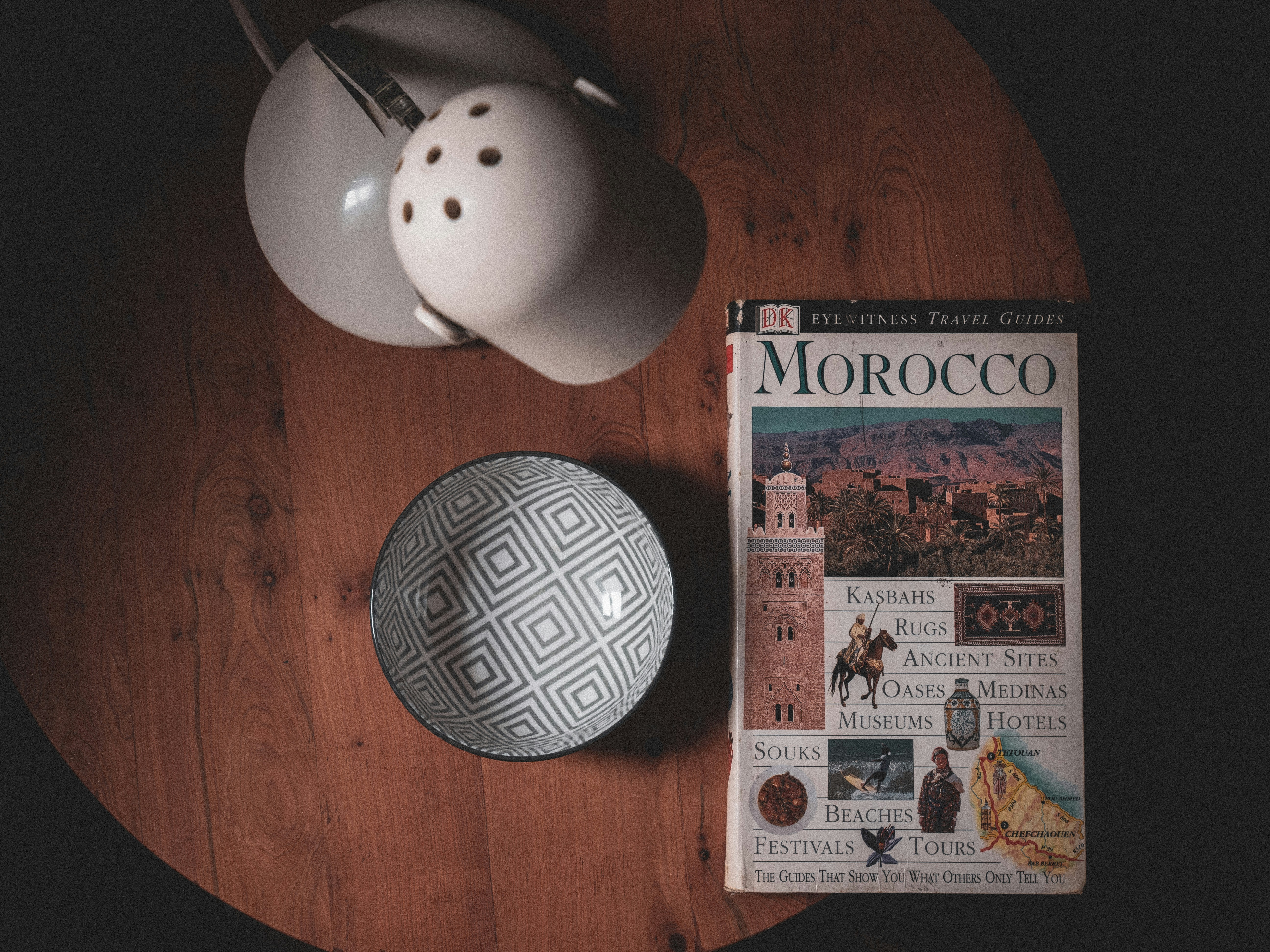
Introduction to Laayoune and Western Sahara
Laayoune, the capital of Western Sahara, serves as both an administrative and cultural center of a territory characterized by its complex history and ongoing political dispute. This region, located in the northwestern part of Africa, has witnessed a tumultuous past marked by colonialism and conflict. The Western Sahara conflict primarily involves a territorial dispute between Morocco, which claims sovereignty over the area, and the Sahrawi Arab Democratic Republic (SADR), proclaimed by the Polisario Front. The dichotomy of governance has fostered a sense of uncertainty regarding the status of Laayoune and its surrounding areas.
The region’s history dates back to the mid-20th century when Spain decolonized Western Sahara. The subsequent emergence of the Polisario Front in 1973 led to an armed struggle for independence, resulting in a protracted conflict with Morocco. A ceasefire agreement was brokered by the United Nations in 1991, yet no definitive resolution has been achieved since then. As a result, Laayoune remains a contentious site, illustrating the ongoing complexities surrounding national identity and governance.
Currently, Laayoune operates under Moroccan administration; however, the presence of the Polisario Front and their insistence on self-determination adds layers to the region’s security landscape. Travelers contemplating a visit to Laayoune should remain aware of the political sensitivities and potential risks associated with the territory. Understanding the local context, including the sentiments of the Sahrawi people and the Moroccan authorities, is crucial for ensuring a respectful journey.
In summary, Laayoune encompasses rich historical narratives intertwined with contemporary political agendas. Gaining insight into the region’s socio-political fabric will not only inform travel safety considerations but will also enhance an appreciation for the resilience of its people.
Assessing Safety: Is Laayoune Safe for Travelers?
As with any travel destination, assessing safety is a crucial consideration for visitors planning a trip to Laayoune. Located in the disputed territory of Western Sahara, Laayoune presents a unique context for travelers, often prompting questions about the overall security and comfort during their stay. Recent travelers have generally reported a sense of safety and welcoming hospitality throughout the city, although they have also noted the importance of being aware of the local customs and potential socio-political sensitivities.
Crime rates in Laayoune are relatively low compared to many urban areas worldwide. Incidents of violent crime are uncommon, and petty crimes, such as pickpocketing, are infrequent but can occur in crowded places. Travelers are advised to take the usual precautions common in any destination: keeping valuables secured and maintaining awareness of one’s surroundings. Ensuring you adopt a respectful approach towards local culture can also significantly enhance the travel experience.
The presence of police and military personnel in Laayoune is noticeable, but rather than indicating a threat, it often serves to enhance safety. Security forces are tasked with maintaining order in the region, and their visibility can be reassuring to visitors. It is important for travelers to comply with local laws and to be conscious of the ongoing political nuances within the region, as these could potentially affect perceptions of safety.
In addition, engaging with local guides or tour operators who are knowledgeable about the area can provide valuable insights and ensure a secure and informed exploration of Laayoune. Overall, while understanding the complexities surrounding Laayoune is essential for travelers, most visitors report feeling comfortable and safe during their time in this unique territory.
Understanding the Political Context of Western Sahara
The region of Western Sahara, located on the northwest coast of Africa, is characterized by a complex political background that has led to ongoing disputes between Morocco and the Sahrawi people. Historically, Western Sahara was a Spanish colony until 1975, when Spain withdrew from the territory, leading to a power vacuum. Morocco and Mauritania laid claim to the area, but upon Mauritania’s withdrawal in 1979, Morocco assumed control over most of the territory. This annexation was swiftly contested by the Sahrawi Arab Democratic Republic (SADR), which demands independence for the Sahrawi people, reflecting a strong sense of national identity.
The conflict has resulted in prolonged tensions and sporadic hostilities, shaping the geopolitical landscape of the region. The United Nations has been involved since the 1990s, attempting to mediate between the conflicting parties through a peace process which includes negotiations and the proposal of a referendum on self-determination for the Sahrawi people. However, the lack of progress and commitment from both sides has stalled any resolution, leading to a protracted stalemate.
Internationally, the situation is met with divergent views. Many countries recognize the right of the Sahrawi people to self-determination, while Morocco maintains significant diplomatic relations and is viewed by some nations as a stabilizing force in the region. The African Union also supports Sahrawi aspirations, placing pressure on Morocco to comply with international norms regarding territorial integrity and human rights.
As travelers consider visiting Laayoune, understanding this intricate political context is crucial. The ongoing dispute significantly influences daily life and governance in the region, which can affect safety and security measures. Therefore, potential visitors must remain informed and aware of the latest developments related to the continuing conflict in Western Sahara.
Practical Travel Tips: Visas and Transportation
When planning a trip to Laayoune, it is vital to consider the visa requirements, which vary by nationality. Travelers from many countries, including EU nations, the United States, and Canada, can enter Morocco without a visa for stays of up to 90 days. However, it is important to verify individual requirements prior to traveling, as rules can change. Additionally, visitors holding a passport from a country that requires a visa for Morocco should ensure they obtain the correct visa from a Moroccan consulate before arrival.
Once you have your visa squared away, the next step is to determine your travel route to Laayoune. This city is located in Western Sahara, and there are several ways to reach it from major Moroccan cities such as Agadir and Casablanca. The most popular option is to fly, as the Laayoune Hassan I Airport is serviced directly from both cities with regular flights. Flight times from Casablanca typically take approximately 1.5 hours, with ticket prices often ranging from 600 to 1,200 Moroccan Dirhams.
If you prefer to travel by road, a bus journey can be both scenic and budget-friendly. From Casablanca, you can take a bus to Tantan, which takes about 14 hours, and then transfer to another bus heading to Laayoune. This option generally costs around 300 to 500 Moroccan Dirhams. Alternatively, taking a taxi or renting a car provides more flexibility, but it’s worth noting that the journey can be lengthy and might require two days, depending on the stopping points along the way.
In summary, ensuring that you have the correct visa is essential for your trip to Laayoune, along with understanding the various transportation options available. Whether opting for air travel or a road trip, planning ahead will contribute significantly to a seamless travel experience.
Cost of Travel: Budget-Friendly Tips for Exploring Laayoune
When planning a visit to Laayoune, travelers often seek ways to make the most of their experience while keeping expenses in check. This city, located in the disputed territory of Western Sahara, offers a variety of options that cater to both budget-conscious tourists and those looking for unique experiences. Understanding the cost of travel in Laayoune begins with accommodation choices, dining options, and local activities.
For accommodation, travelers can opt for budget-friendly hotels or guesthouses that provide comfortable lodging at affordable prices. Options can range from basic accommodations starting as low as $30 per night to mid-range hotels that offer more amenities for around $50 to $70. It is advisable to book in advance, especially during peak tourist seasons, to secure the best rates and ensure availability.
Dining in Laayoune can also be economical. Local eateries, known as “makhzen restaurants,” serve delicious traditional dishes such as tagines and couscous at reasonable prices. Street food vendors provide an authentic taste of Moroccan culture without straining your wallet; meals can cost as little as $3 to $7. For those seeking Western-style cuisine, there are several cafes and restaurants that offer meals for under $15.
As for activities, exploring the rich cultural landscape of Laayoune offers many free or low-cost opportunities. Visiting local markets, engaging with friendly locals, or attending cultural festivals can enrich your travel experience without significant expenses. Additionally, outdoor adventures such as hiking and exploring nearby natural reserves are often free, allowing visitors to appreciate the beauty of the region.
In conclusion, with a bit of planning and consideration of cost-effective options, exploring Laayoune can be both an enriching and budget-friendly experience. By choosing budget accommodations, enjoying local cuisine, and taking advantage of affordable activities, travelers can fully immerse themselves in the unique offerings of this disputed territory.
Immersing in the Local Culture: What to Expect
Laayoune, the capital of Western Sahara, offers visitors a unique opportunity to immerse themselves in a rich local culture distinct from other Moroccan cities. This relatively lesser-known destination maintains a low-key atmosphere, which contrasts sharply with the hustle and bustle of more tourist-centric locales in Morocco. The city’s cultural essence is shaped by its indigenous Sahrawi population, and interactions with locals reveal a way of life steeped in traditions and customs that date back generations.
One of the most striking aspects of Laayoune’s culture is its warm hospitality. Visitors can expect friendly interactions with residents who take pride in sharing their customs and stories. Engaging with local artisans is a must; their handcrafts, including traditional jewelry and woven textiles, reflect the region’s artistic heritage. These encounters not only provide a glimpse into everyday Sahrawi life but also support the local economy, making for a meaningful exchange.
Festivals in Laayoune present an exceptional spectacle for travelers. Events such as the Festival of the Sahara highlight the region’s music, dance, and poetry, drawing both locals and visitors alike. These celebrations provide an immersive experience of Sahrawi culture, allowing attendees to enjoy traditional music, dance performances, and delicious local cuisine. Additionally, exploring the city’s marketplaces can lead to delightful culinary discoveries, showcasing an array of flavors that represent the diverse influences on Sahrawi cuisine.
Furthermore, the city’s architecture and street art are reflections of its complex history and identity. Laayoune’s urban landscape captures the spirit of its people, offering visitors a visual narrative of resilience and culture. Overall, Laayoune presents an enriching travel experience, inviting individuals to explore and appreciate its captivating cultural tapestry.
Why Adventurous Travelers Are Drawn to Laayoune
Laayoune, the administrative capital of the disputed territory of Western Sahara, offers a unique appeal that attracts adventurous travelers seeking an off-the-beaten-path experience. The city sits at the crossroads of contrasting cultures, where the essence of traditional Sahrawi lifestyles blends with influences from neighboring regions, making it a captivating destination for those inclined to explore beyond the typical tourist routes.
One of the key reasons adventurous travelers are drawn to Laayoune is the allure of discovering the undiscovered. Many visitors arrive yearning for authentic experiences, aiming to connect with local communities and learn about their rich heritage. The largely untouched landscapes surrounding Laayoune, including the sprawling deserts and stunning coastlines, provide endless opportunities for exploration. From camel trekking in the Saharan dunes to kite surfing on the Atlantic coast, the adventurous spirit can find myriad activities that cater to various interests.
Cultural exchange is another pivotal attraction of Laayoune. Visitors can engage in meaningful interactions with the Sahrawi people, known for their hospitality and unique traditions. By participating in local festivals or sharing a meal with families, travelers gain insights into the customs and daily lives of the indigenous population. Such immersive encounters not only enrich a traveler’s understanding but also foster genuine connections, contrasting sharply with more commercial tourist experiences elsewhere in Morocco.
Furthermore, Laayoune allows travelers to witness the complex political landscape firsthand, offering a different perspective on issues surrounding sovereignty and cultural identity. This engagement with the region’s socio-political dynamics can provoke thoughtful discussions and broaden one’s worldview, making it an enriching hub for those eager to understand the multifaceted narratives of the region.
Traveler Testimonials: Experiences in Laayoune
Travelers visiting Laayoune often share varied experiences that paint a nuanced picture of this unique destination. One tourist noted, “Laayoune was not just a stop on my journey; it felt like a real discovery. The warmth of the people made me feel welcome and safe throughout my stay.” This sentiment is echoed by many who find the local residents to be both friendly and helpful, reinforcing the idea that personal interactions significantly contribute to a positive travel experience.
Some visitors have raised concerns regarding the political backdrop of Laayoune, but they often highlight that it does not detract from the enjoyment of their visit. A traveler from Spain remarked, “While I was aware of the region’s complexities, I felt completely at ease exploring the city. The local markets, with their vibrant colors and lively atmosphere, showcased the rich culture that Laayoune offers. I felt that awareness is key; understanding the local context can enhance your experience while visiting such places.”
On the topic of safety, a tourist who visited during a local festival described their experience: “The celebrations in Laayoune provided a glimpse into the heart of the community. Despite prior apprehensions about safety, the festival drew crowds and I felt secure amongst the locals celebrating the traditions.” Such accounts underline that many travelers leave Laayoune with a newfound appreciation for both the cultural depth and the cordiality of its inhabitants.
In considering Laayoune as a travel destination, firsthand testimonials suggest that the city not only possesses intriguing features but also fosters an environment where visitors can comfortably engage with the local culture. Ultimately, anecdotal evidence indicates that positive interactions and rich cultural experiences outweigh concerns, leading many to recommend Laayoune as a worthwhile destination.
Conclusion: Is Laayoune Worth the Visit?
Traveling to Laayoune presents a unique opportunity for adventurous travelers seeking to explore the lesser-known regions of Morocco. This city, located in the disputed territory of Western Sahara, offers a glimpse into a different cultural landscape compared to Morocco’s more typical tourist destinations. One significant aspect to consider is the safety of the area. While travel advisories may indicate potential risks due to political tensions, many visitors report feeling safe and welcoming in Laayoune. It is advisable for travelers to remain informed about current events and local laws, ensuring a mindful approach to their visit.
Cultural experiences in Laayoune can be richly rewarding. The city’s architecture, local cuisine, and the hospitality of its inhabitants provide travelers with an authentic taste of Sahrawi culture. Engaging with locals, sampling traditional dishes, and participating in community events can elevate a visit from ordinary to memorable. The diverse landscapes surrounding Laayoune also lend themselves well to outdoor activities, such as camel riding and desert excursions, further enriching the travel experience.
Furthermore, Laayoune offers a blend of natural beauty and historical significance. From its stunning dunes to its fascinating museums, the city encourages exploration and discovery for those willing to venture off the beaten path. For travelers seeking unique cultural interactions and experiences, Laayoune emerges as a compelling destination.
In conclusion, while Laayoune may not be the first choice for all travelers, those who approach it with an open mind and a sense of adventure are likely to find a rewarding experience. Understanding local customs and respecting the social and political context will enhance the journey, making Laayoune worth the visit for those drawn to its unique allure.