
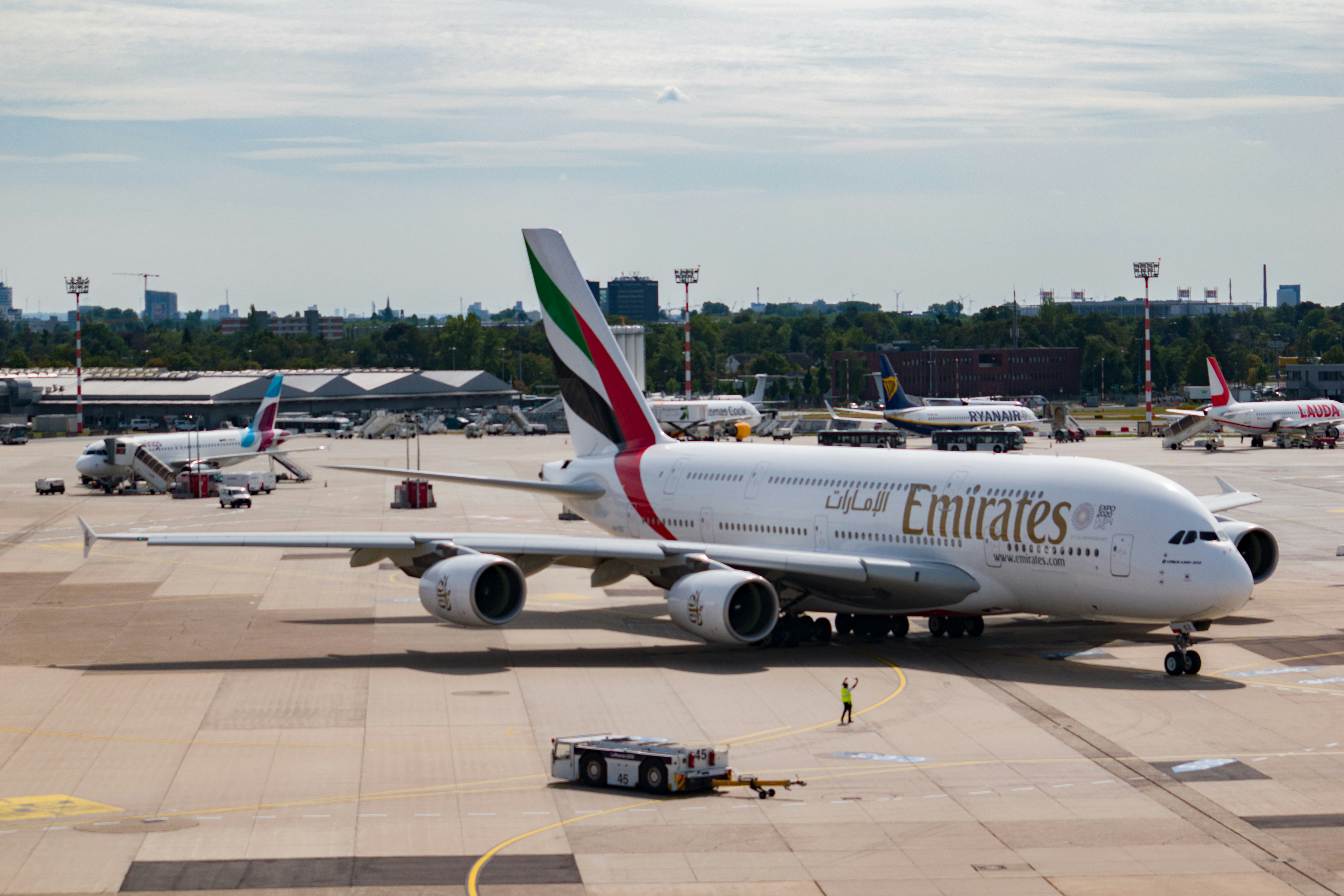
Overview of Hassan I Airport
Hassan I Airport (IATA: EUN) is an important infrastructure asset located in Laayoune, Morocco. Opened in the late 1980s, this airport has played a significant role in establishing Laayoune as a key regional hub. With its strategically important location, Hassan I Airport serves not only the local population but also facilitates travel to and from major Moroccan cities like Casablanca and Marrakech, as well as international destinations. Its operational services include regular flights operated by various airlines, ensuring connectivity for both tourism and business travel.
The airport stands as a vital gateway for travelers looking to explore the Sahara region, offering easy access to the rich cultural heritage and natural landscapes surrounding Laayoune. With modern facilities and services, Hassan I Airport aims to provide an efficient experience for passengers. It features amenities such as lounges, duty-free shops, and transportation options which support both incoming and outgoing travelers.
Moreover, the airport has a crucial role in bolstering the local economy. One of its significant contributions is its support for the phosboucraa industry, which is pivotal to the region’s economic stability. Throughout its operations, the airport facilitates the transport of goods, particularly minerals, connecting the local industries to global markets. This not only enhances export capabilities but also attracts investment to the region, creating job opportunities and diversifying income sources for residents.
In summary, Hassan I Airport is more than just an entry point into Laayoune; it serves as a crucial link that fosters regional connectivity and supports economic growth, showcasing the importance of well-planned transportation infrastructure in facilitating development.
Airport Facilities and Terminal Amenities
Hassan I Airport (EUN) in Laayoune offers a range of facilities that cater to the diverse needs of travelers. Upon arrival, passengers can easily locate the check-in areas, which are well-organized and staffed with helpful personnel to assist with any inquiries regarding flight check-in procedures. The airport typically accommodates both international and domestic flights, ensuring that the check-in process adheres to established guidelines for efficiency.
After check-in, travelers can proceed to the baggage claim area where efficient systems are in place to manage the retrieval of luggage. The baggage claim area is clearly marked, and monitors displaying flight information assist passengers in locating their corresponding baggage carousel without hassle.
Security procedures at Hassan I Airport are rigorously enforced to ensure the safety of passengers. Travelers should expect a standard screening process that includes baggage checks and metal detection. It is advisable to arrive at the airport well in advance of departure times to allow sufficient time for these procedures.
In terms of amenities, Hassan I Airport features several terminals that boast various services, including comfortable lounges where passengers can relax before their flights. A selection of restaurants serves diverse culinary options, catering to different tastes and dietary preferences. These dining facilities provide not only meals but also snacks and beverages, allowing travelers to refuel.
Shops are available for last-minute purchases, including souvenirs, travel essentials, and duty-free items. Additionally, the terminal provides internet connectivity, enabling passengers to stay connected during their transit. The overall design and available facilities at Hassan I Airport ensure a pleasant experience for travelers, making their time at the airport as comfortable and stress-free as possible.
Check-In Procedures and Flight Information
Traveling to Laayoune and departing from Hassan I Airport (EUN) involves specific check-in procedures designed to streamline the travel experience. Passengers can choose between online or in-person check-in, depending on their preferences and the airline’s offerings.
Online check-in is a convenient option that many airlines operating at Hassan I Airport provide. Travelers are encouraged to check in through the airline’s official website or mobile app. This process typically opens 24 to 48 hours before the scheduled departure. After successfully completing online check-in, passengers can print their boarding passes or save them on their mobile devices, thus expediting the airport experience. This method allows travelers to bypass long queues and proceed directly to baggage drop-off or security checks, depending on their luggage needs.
For those who prefer in-person check-in, designated counters at the airport can assist travelers with ticketing and baggage handling. It is advisable to arrive at least two hours prior to departure for domestic flights and three hours for international flights to ensure ample time for check-in and security screenings. Each airline has its own luggage restrictions, so it is crucial for passengers to familiarize themselves with these guidelines to avoid last-minute issues at the airport.
Hassan I Airport is served by several airlines, including Royal Air Maroc and Air Arabia Maroc, which offer flights to various domestic and international destinations. Popular routes include connections to Casablanca and Marrakesh, catering to business and leisure travelers alike. As a result, understanding flight schedules and available airlines can enhance trip planning and ensure a smooth journey to Laayoune.
The Impact of Hassan I Airport on the Phosboucraa Industry and Regional Development
Hassan I Airport (EUN) plays a pivotal role in the phosboucraa industry, significantly contributing to both the local economy of Laayoune and the broader regional development. As a critical transportation hub, the airport facilitates the efficient movement of mineral resources, primarily phosphate, which is vital to agricultural and industrial sectors worldwide. The strategic location of the airport enhances accessibility for export, allowing for more efficient supply chain logistics that are necessary for favorable market positioning.
The phosboucraa industry, which is centered around the extraction and processing of phosphate in the region, relies heavily on the reliable transport services provided by Hassan I Airport. This infrastructure not only supports the mining operations but also attracts investments, leading to an influx of businesses related to mineral processing and trade. As a result, the airport catalyzes job creation, offering employment opportunities to many local residents, thus improving the overall standard of living in Laayoune.
Additionally, the airport’s existence aids regional administrative efforts aimed at fostering economic growth and sustainable development within the Sahrawi region. With increased connectivity to national and international markets, local authorities are better positioned to implement developmental initiatives and attract foreign investment. This can lead to diversified economic activities beyond the phosboucraa industry, encouraging entrepreneurship and the establishment of new enterprises.
Moreover, as the airport grows, so does its potential to become a central hub for other sectors, such as tourism and logistics. By providing essential infrastructure, Hassan I Airport supports the vision of regional development that aims to uplift the local communities and transform Laayoune into a burgeoning economic center. The synergistic effects on the phosboucraa industry and the overall region epitomize the transformative impact of well-planned airport infrastructure on economic resilience and community thriving.