

Exploring Laayoune’s Rich History and Culture
Laayoune, the capital of Western Sahara, possesses a tapestry of historical significance that reflects its dynamic cultural heritage. Founded in the late 19th century, the city has evolved into a vibrant center that showcases the confluence of indigenous Sahrawi, Spanish, and Moroccan influences. This unique blend is evident not only in its architecture and monuments but also in the traditions and customs that define the lives of its inhabitants.
The history of Laayoune is marked by key events that have shaped the region’s identity. The city emerged as a critical political and administrative hub during the Spanish colonial period, which left an indelible mark on its urban layout and cultural practices. Historical sites such as the old Spanish fortress and the city’s colonial-era buildings offer insights into the city’s past and its strategic importance in the region.
In addition to historical landmarks, Laayoune is home to several museums that celebrate its diverse heritage. The Museum of Contemporary Art and the Sahara Museum showcase traditional crafts, art, and artifacts which narrate the stories of the Sahrawi people. These institutions play a crucial role in preserving cultural heritage and provide visitors with an understanding of the region’s historical context.
Traditional customs and local festivals in Laayoune demonstrate the enduring spirit of its people. Events such as the Sahrawi Festival, which celebrates music, dance, and handicrafts, highlight the rich cultural tapestry of the city. These gatherings not only foster community spirit but also educate outsiders about the historic and contemporary significance of Laayoune. Through these cultural expressions, visitors can appreciate how the city’s history continues to influence its identity, shaping a unique character that reflects both pride and resilience.
Outdoor Activities and Natural Wonders
Laayoune, a city nestled in the heart of the Western Sahara, is renowned for its breathtaking landscapes and diverse outdoor recreational opportunities. The coastal beaches, stretching along the Atlantic Ocean, offer a serene escape for nature enthusiasts and adventure seekers alike. Visitors can indulge in relaxing strolls along the sandy shores, basking in the sun, or engaging in thrilling water sports.
Among the outdoor activities that attract enthusiasts are windsurfing and kitesurfing, both of which have gained popularity due to the region’s consistent winds and ideal wave conditions. These adrenaline-pumping sports allow both beginners and experienced surfers to enjoy the invigorating waters while taking in the stunning ocean views. Local rental shops and schools are available to provide equipment and lessons, ensuring that everyone can experience the thrill of gliding across the waves.
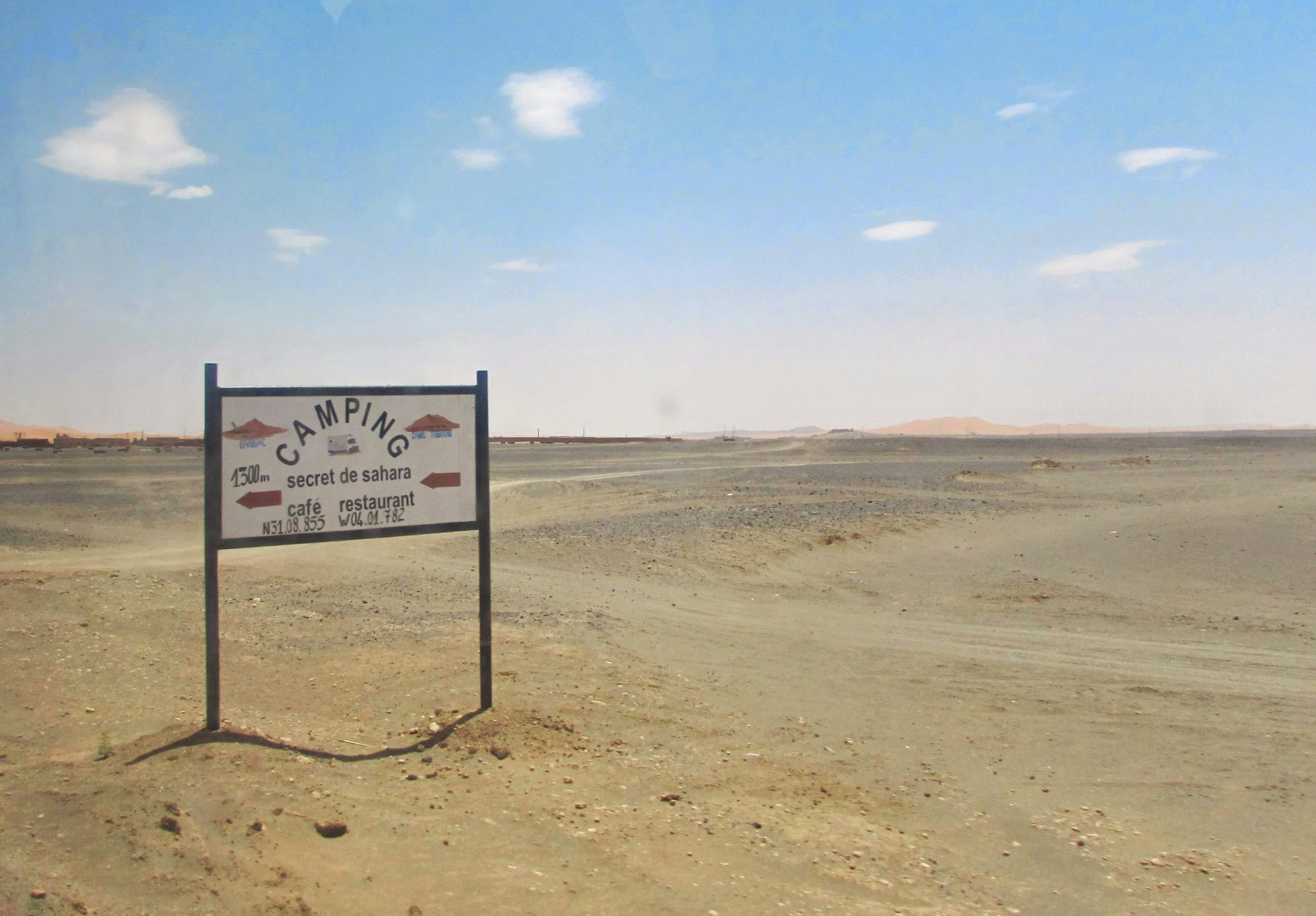
Beyond the beaches, Laayoune serves as a gateway to several captivating natural attractions. The Sahara Desert, one of the largest deserts in the world, offers a unique ecosystem with rolling dunes, rugged mountains, and diverse wildlife. Hikers and outdoor adventurers can explore this majestic landscape through guided tours that take advantage of the breathtaking sunsets and starlit nights. Moreover, the desert’s unique ecological environments make it an exciting spot for wildlife spotting, where enthusiasts may encounter various species adapted to the arid conditions.
In addition to desert adventures, the surrounding areas of Laayoune boast numerous natural parks and reserves, perfect for hiking and immersing oneself in nature. These spots are ideal for those seeking tranquility, as they provide a chance to connect with the region’s rich biodiversity and natural beauty. Outdoor activities in Laayoune represent a harmonious blend of adventure and exploration, making it a must-visit destination for nature lovers.
Culinary Delights and Local Cuisine
Laayoune, a bustling city situated in the Western Sahara, offers a unique culinary experience deeply rooted in its diverse cultural heritage. The city’s gastronomic scene combines traditional Berber flavors with tantalizing seafood dishes, making it a destination for food enthusiasts keen to explore authentic local cuisine.
One of the highlights of Laayoune’s dining experience is the abundance of fresh seafood. With its proximity to the Atlantic Ocean, the city boasts an array of fish and shellfish prepared in various styles. Local eateries often feature daily catches, such as grilled sardines and octopus, seasoned to perfection and served with customary sides like spiced salads and traditional Moroccan bread. Dining at local restaurants gives visitors the opportunity to enjoy these flavors in a warm and inviting atmosphere.
In addition to seafood, Laayoune is renowned for its Berber dishes, which reflect the indigenous traditions of the region. A must-try is the tagine, a slow-cooked stew made with meat, vegetables, and aromatic spices, traditionally served with fluffy couscous. Another popular dish is mechoui, featuring spiced lamb roasted to tender perfection. Travelers should not miss the chance to explore local markets, where they can taste various street food delights and experience the vibrant culture firsthand.
The culinary landscape of Laayoune is further enriched by food festivals that celebrate the region’s flavors. Events like the Festival of Gastronomy draw locals and tourists alike, showcasing the best chefs and traditional eateries. These gatherings provide an excellent opportunity to indulge in a variety of dishes while enjoying live music and cultural performances, truly immersing oneself in the local lifestyle.
Shopping and Local Markets
Laayoune, the largest city in Western Sahara, showcases a vibrant shopping scene that is deeply intertwined with its cultural identity. Local markets and souks play a significant role in the daily lives of residents and provide visitors with a unique opportunity to experience the artisanal craftsmanship of the region. These markets are bustling hubs filled with a wide array of products, ranging from traditional crafts to contemporary souvenirs.
One of the highlights of shopping in Laayoune is the variety of artisanal products available. Visitors can find beautifully crafted pottery, intricate woven textiles, and hand-made jewelry that reflects the rich cultural heritage of the Sahrawi people. These authentic souvenirs not only serve as a reminder of your travels but also support local artisans and help preserve traditional crafts.
When exploring these markets, haggling is a common and expected practice. Engaging in this vibrant exchange can be both rewarding and fun. It is advisable to approach negotiations with respect and an open mind, as this can lead to a more enjoyable shopping experience. Always remember to start your negotiation below the asking price and be prepared for back-and-forth dialogue. This not only helps you secure a better deal but also fosters friendly interactions with local vendors.
In addition to markets, Laayoune is home to several shopping centers and boutiques that offer a more modern retail experience. These establishments feature a mix of local and international brands, ensuring visitors have access to a diverse range of products. For those seeking a more upscale shopping experience, visiting these centers is recommended. Here, shoppers can enjoy air-conditioned environments and a comfortable atmosphere while exploring the latest trends.
In conclusion, Laayoune’s shopping scene is a vibrant tapestry of local markets offering traditional crafts and contemporary shopping centers catering to diverse preferences. Embracing the local customs of bargaining, combined with an appreciation for the cultural significance of the goods available, can greatly enhance any visitor’s experience in this captivating city.