
Introduction to Laayoune: A City of Contrast
Laayoune, often referred to as the gateway to Morocco’s Sahara, is a city rich in history and cultural significance. Located in the southern part of the country, it serves not only as a local economic hub but also as an essential starting point for travelers seeking to explore the vast and diverse landscapes of the Sahara Desert. The city is marked by a unique blend of traditional Moroccan elements and modern developments, creating an intriguing contrast that attracts visitors from around the globe.
Historically, Laayoune has held strategic importance due to its location. It was initially established as a military outpost in the 1930s, and since then, it has evolved into a vibrant urban center serving both local populations and visitors. The cultural landscape of Laayoune is enriched by a mix of Berber, Arab, and Sahrawi influences, which is evident in the local cuisine, architecture, and festivals. This cultural synthesis creates a warm ambiance that welcomes adventurers keen on discovering the region’s rich heritage.
The geographical setting of Laayoune is equally fascinating, as it sits near the coast of the Atlantic Ocean while being only a short distance from the expansive Sahara Desert. This unique positioning allows travelers to enjoy both the tranquil beauty of coastal landscapes and the mesmerizing allure of sandy dunes in a single journey. Moreover, Laayoune functions as a key logistical point for those embarking on expeditions into the wilderness of the Sahara, offering access to various tour operators and essential services, enhancing the overall travel experience.
In essence, Laayoune presents itself not just as a city but as a vital connection between urban life and the natural wonders of Morocco’s Sahara. It stands ready to serve as a launching pad for adventure seekers and cultural enthusiasts alike, promising a rich array of experiences that showcase the best of both worlds.
Desert Adventures: Exploring the Golden Dunes
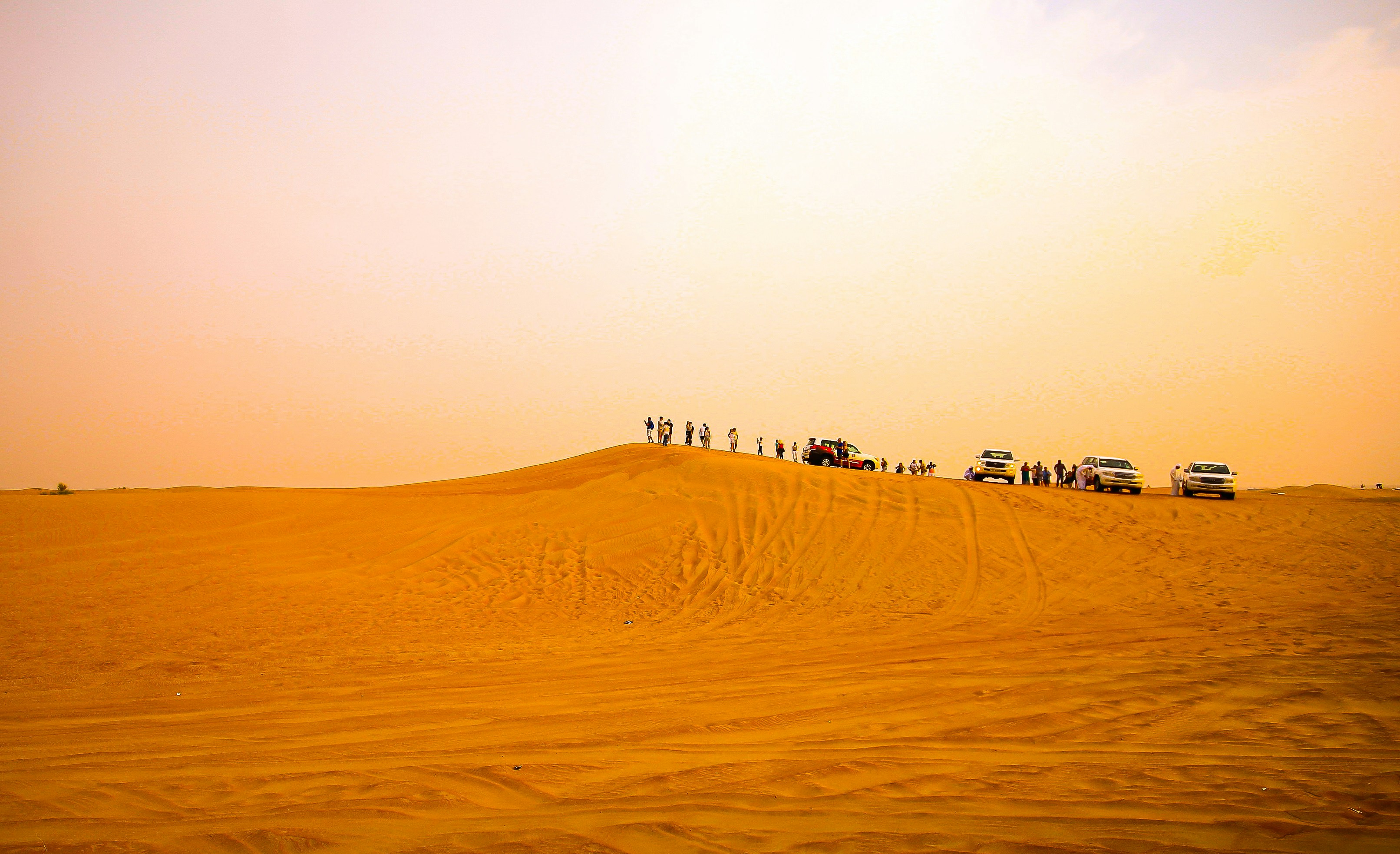
Laayoune, situated at the cusp of Morocco’s magnificent Sahara, offers an array of exhilarating desert adventures that beckon travelers seeking both thrill and serenity. The golden dunes of the Sahara are not just a visual spectacle; they provide numerous recreational opportunities that cater to varying preferences. From sandboarding to camel treks, tourists can immerse themselves within this enchanting landscape.
Sandboarding, a popular activity for adrenaline seekers, involves gliding down the slopes of soft dunes on a board, akin to snowboarding but under the warm desert sun. Individuals new to the sport are encouraged to seek out local guides who can provide essential equipment and safety advice. The early morning hours or late afternoons are the best times to engage in this activity, as the temperatures remain manageable and the golden hues of the sand are accentuated during these illumination conditions.
Additionally, camel treks represent a traditional way to explore the Sahara, allowing participants to engage with these gentle creatures while traversing the golden sands. Guided tours often include charming experiences such as overnight camping in Berber tents, offering an authentic look into the nomadic lifestyle of the region. These excursions are best undertaken in the cooler months, from October to April, when the desert is much more pleasant.
As with any outdoor activity in desert environments, preparation is key. Travelers should remain well-hydrated, wear appropriate sun protection, and ensure they have a reliable guide with knowledge of the terrain. By approaching these desert adventures with safety in mind, visitors can fully embrace the allure of the vast Sahara and create unforgettable memories under its starry skies.
Khenifiss National Park and its Breathtaking Ecosystems
Khenifiss National Park, situated on the Atlantic coast of Morocco near Laayoune, is a vital protected area known for its diverse and unique ecosystems. Covering approximately 100,000 hectares, this national park features coastal wetlands, sand dunes, and a rich variety of habitats that harbor numerous species of flora and fauna. The park is especially renowned for its significance as a migratory bird habitat, attracting birdwatchers and nature enthusiasts from around the globe.
The park’s wetlands serve as crucial stopover sites for numerous migratory birds on their journey between Europe and Africa. Among the most notable species are the Greater Flamingo, Black-winged Stilt, and various species of herons and ducks. These birds are drawn to Khenifiss’s abundant food sources and safe nesting grounds. The varied landscape of the park, interspersed with lagoons and marshes, creates ideal conditions for these avian visitors, making it a hotspot for ornithological studies and observations.
Khenifiss is not only significant for its birdlife but also for its overall biological diversity. The park is home to numerous plant species, including coastal flora adapted to the arid conditions, as well as endangered species that thrive in its unique ecosystems. Visitors can explore these remarkable environments through a variety of activities such as nature hikes, which offer opportunities to observe wildlife and enjoy the serene natural beauty of the area.
For those interested in visiting Khenifiss National Park, proper planning is essential. The best time for birdwatching typically occurs during spring and autumn, coinciding with peak migration periods. Facilities within the park include designated viewing points and guided tours, ensuring an enriching experience for all nature lovers. Khenifiss National Park stands as a testament to Morocco’s commitment to preserving its natural heritage, providing an invaluable refuge for both wildlife and visitors alike.
Day Trips and Excursions: From Ancient Rock Carvings to Coastal Beauty
Laayoune, located at the gateway to Morocco’s Sahara, serves as an ideal base for a variety of day trips and excursions that unravel the rich cultural and natural heritage of the region. One popular excursion is to the ancient rock carvings found at the nearby site of Ezzhiliga. These petroglyphs, dating back thousands of years, offer a glimpse into the lives and beliefs of the prehistoric peoples who once inhabited this arid landscape. Guided tours are available for visitors curious to explore these historical gems, which include depictions of animals and human figures, carving out a narrative of humanity’s connection with nature.
In addition to its ancient sites, Laayoune is also renowned for its stunning coastal beauty. Just a short drive from the city, the Atlantic coastline presents dramatic landscapes and serene beaches. The town of Tarfaya, known for its historical significance as a former French colonial outpost, offers a captivating excursion to the shores. Visitors can marvel at the rugged cliffs and expansive sandy stretches that feature basking seals and an array of shorebirds. This coastal area is not only visually striking but also serves as a prime location for outdoor activities such as surfing and birdwatching.
Moreover, travelers should not miss the opportunity to explore the unique flora and fauna of the region. The nearby Foum el Oued National Park showcases Morocco’s diverse ecosystems, providing visitors with access to scenic trails that wind through lush greenery and arid deserts. These excursions enhance the understanding of Laayoune as a vibrant hub that embodies both cultural and natural landmarks, allowing tourists to experience the multifaceted beauty of Morocco’s western Sahara.