
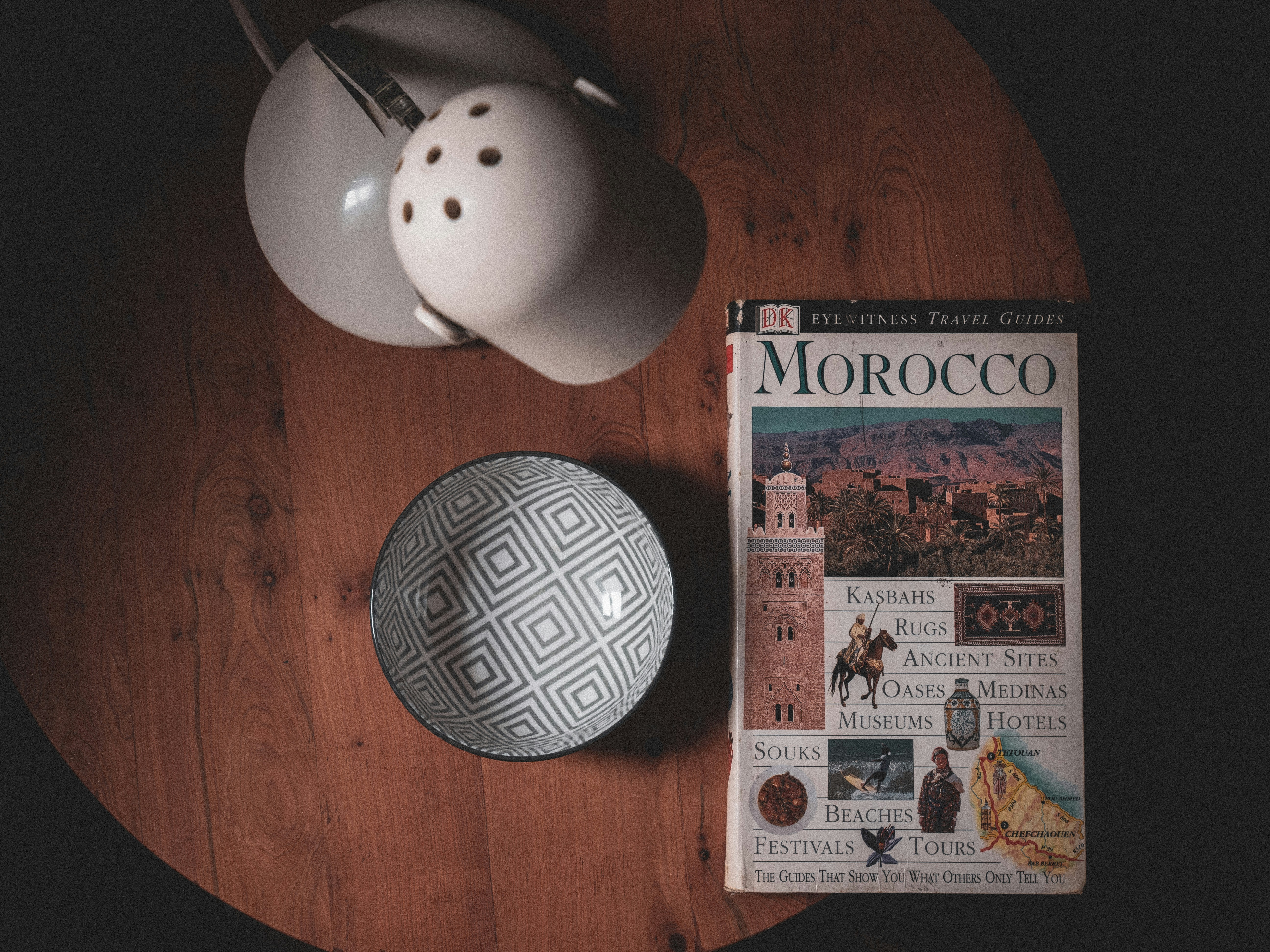
Introduction to Sahrawi Hospitality
Sahrawi hospitality is a profound aspect of life in Laayoune, reflecting the rich cultural heritage of the Sahrawi people. This traditional way of welcoming guests extends beyond mere politeness; it embodies a complex social fabric woven with threads of respect, honor, and a deep sense of community. Within the Sahrawi culture, hospitality is not simply an act but a revered virtue that shapes interpersonal relationships and social interactions.
The significance of hospitality in Sahrawi culture is evident in how members of the community treat visitors, viewing them as a blessing rather than an obligation. When entering a Sahrawi home in Laayoune, one is often greeted with warmth and friendliness, establishing an atmosphere of familial comfort. It is customary for hosts to offer refreshments and traditional dishes, as sharing a meal is considered one of the most profound ways to exhibit hospitality. The unique flavors and preparations of Sahrawi cuisine play a crucial role in this experience, facilitating bonds between guests and hosts.
This culture of welcoming is deeply rooted in the Sahrawi’s nomadic ancestry, where survival depended on cooperation and solidarity within communities. Generosity and support for one another were essential for navigating the harsh desert landscape, which has carried over into modern practices. Tales of legendary hospitality have been passed down through generations, reinforcing the expectation that guests should always feel at home. This warm-hearted approach invites not only the enjoyment of food and drink but also a sense of belonging within the broader community.
In Laayoune, the practice of Sahrawi hospitality extends to all, emphasizing that regardless of background or status, everyone is deserving of acknowledgment and kindness. This cultural hallmark reflects a society that values connection, with hospitality serving as a vital means of fostering relationships and strengthening communal ties.
The Heart of Hassani Culture
The Hassani culture, deeply rooted in the Sahrawi identity, originates from a blend of indigenous Berber, Arab, and African influences. This eclectic mixture has culminated in a unique cultural framework that resonates through various aspects of life in Laayoune, the capital of Western Sahara. The Hassani people have a profound connection to their land, with traditions that reflect their nomadic past and agrarian practices, symbolizing resilience and adaptability.
Key to understanding Hassani culture is the significance of oral traditions and storytelling. Generations have handed down tales that articulate the values, challenges, and history of the Sahrawi people. This rich oral heritage not only serves as entertainment but is also a vital educational tool, encapsulating moral lessons and communal knowledge. Music, poetry, and dance further enhance this storytelling tradition, serving as vital expressions of cultural identity.
The culinary practices within Hassani culture also play an essential role in cultural expression. Traditional dishes, often prepared for communal gatherings, reflect the sophistication of Sahrawi hospitality. Ingredients such as lamb, chicken, and various spices highlight a blend of flavors reminiscent of the region’s history and diverse interactions. Meals are often accompanied by stories shared among family and friends, reinforcing bonds and cultural continuity.
Traditions of Nomadic Poetry
The rich tradition of Sahrawi poetry, particularly nomadic poetry, serves as a vital cultural expression among the Sahrawi people. Rooted in the region’s historical context, this form of poetry has been a means of preserving stories, values, and communal memory, acting as an oral history that conveys the struggles and triumphs of its people. It encapsulates the spirit of the Sahrawi way of life, connecting individuals to their land and heritage.
Nomadic poetry often explores themes of love, bravery, loss, and the beauty of the desert landscape. The verses, typically composed in the Hassaniya dialect, utilize vivid imagery and metaphors that resonate with the experiences of the Sahrawi. By celebrating the nomadic traditions, these poems highlight the resilience of a people who have adapted to the harsh conditions of their environment while maintaining a deep connection to their roots.
In daily life and social gatherings, poetry plays a pivotal role in fostering community bonds. It is not uncommon for Sahrawi gatherings to begin or end with recitations of poetry, where participants share their feelings and experiences through well-crafted verses. This practice reinforces social ties and serves as a platform for individuals to express their individuality while adhering to communal norms.
The art of nomadic poetry is not just a relic of the past but continues to thrive, inspiring newer generations to engage with their cultural heritage. Whether performed at weddings, cultural events, or informal gatherings, these poetry recitations provide an opportunity for the Sahrawi to showcase their identity and communicate shared values. Hence, the tradition stands as a testament to the enduring nature of Sahrawi hospitality, where the act of sharing words fosters deeper connections among community members.
The Vibrancy of Hassani Music
Music plays an integral role in Hassani culture, serving not only as a source of entertainment but also as a vital medium for storytelling and community bonding. The melodies and rhythms of Hassani music resonate deeply with the history and traditions of the Sahrawi people, encapsulating their experiences and emotions. Various musical styles are prominent in this culture, with genres such as goulam and raï showcasing the unique sounds and narratives that the Sahrawis express through their art.
Traditional instruments are essential in creating the rich soundscape of Hassani music. The guitar, often used in modern variations of Hassani music, is a staple that complements the traditional guembri, a three-stringed lute, and the bendir, a frame drum that punctuates the rhythms. These instruments are often played during celebrations, weddings, and communal gatherings, fostering a sense of unity and shared identity among participants.
Hassani music also holds profound historical significance, acting as a powerful vehicle for storytelling and oral tradition. Through song, the Sahrawi people recount tales of their ancestry, struggles, and daily life, thus preserving their cultural heritage for future generations. The evocative lyrics, often delivered in Hassani Arabic, voice both sorrow and joy, encapsulating the duality of the Sahrawi experience in a post-colonial context. In this way, the music of the Hassani creates a tapestry of community narratives, binding individuals together through shared histories and collective memories.
In Laayoune, residents proudly share their musical traditions, with performances frequently taking place in public spaces, inviting participation and fostering communal ties. This lively atmosphere demonstrates not only the vibrancy of Hassani music but also its role as a cornerstone of cultural identity in this region.
Excitement of Camel Races
Camel racing holds a prominent place in Sahrawi culture, representing not merely a sport, but a deep-rooted tradition that reflects the community’s relationship with their environment. Historically, camel races have been integral to the identity of the Sahrawi people, showcasing their unique bond with these animals, which serve as vital companions in the arid desert landscape. The significance of camel racing can be traced back to its origins as a means of entertainment during times of gathering, where nomadic tribes would come together to celebrate their resilience and community spirit.
Today, the excitement of camel races can be felt in Laayoune, where locals and visitors alike gather to witness this exhilarating event. These races not only draw crowds but also foster a sense of pride and community among participants and spectators. The anticipation leading up to a race is palpable, with owners meticulously caring for their camels, ensuring they are in peak condition. Each race day is a vibrant affair, with colorful tents, traditional music, and an array of food stalls, forming a festive atmosphere that enhances the overall experience.
This sport reflects the Sahrawi people’s profound respect for their heritage and highlights their adaptability to the harsh desert environment. The races demonstrate not just the speed of the animals but also the skilled training methods employed by their handlers, emphasizing a legacy of knowledge passed through generations. The universal thrill and enjoyment generated from these events create lasting memories, reinforcing cultural identity and unity within the community. With each race, camel racing continues to serve as a joyful reminder of the Sahrawi people’s enduring connection to their traditions and their land.
Craftsmanship and Traditional Arts
The Sahrawi people possess a rich tradition of craftsmanship that reflects their unique cultural identity and heritage. Weaving and pottery are two prominent crafts that not only serve practical purposes but also carry profound symbolic meanings within the Hassani culture. These traditional arts are an essential window into the daily lives and values of the Sahrawi community.
In the realm of weaving, artisans employ intricate techniques to create various textiles, including rugs and blankets, which are often characterized by vibrant colors and geometric patterns. The designs are typically imbued with symbolism, reflecting aspects of Sahrawi life and the natural environment. Common motifs may depict elements such as the sun, stars, and local wildlife, serving as a storytelling medium that passes down cultural history and beliefs through generations. Weaving requires meticulous attention and skill, passed down from one generation to the next, highlighting the importance of tradition in Sahrawi society.
Similarly, pottery is another significant aspect of Sahrawi craftsmanship, showcasing the community’s connection to the earth and their creative spirit. Artisans craft beautifully shaped vessels, often adorned with intricate designs that symbolize local customs and social narratives. The clay used in pottery is typically sourced from the region, making each piece not only a functional item but also a representation of the land itself. The process of creating pottery demands a deep understanding of techniques and a keen artistic sensibility, reflecting the high level of expertise developed over years within this craft.
Overall, the craftsmanship of the Sahrawi people, through its weaving and pottery, represents not only skilled artistry but also a deep-rooted expression of their cultural identity. These traditional arts serve as a testament to their resilience and creativity, offering a glimpse into the authentic life in Laayoune. By experiencing these crafts, visitors can forge a deeper appreciation for the Sahrawi way of life and its meaningful symbols.
Daily Life in Local Souks and Markets
In Laayoune, the local souks and markets serve as vibrant hubs of daily life, where the rich tapestry of Sahrawi culture comes to life. As one strolls through these bustling marketplaces, the air is filled with the scents of spices, grilled meats, and traditional pastries, creating an inviting atmosphere that beckons community members and visitors alike. The lively colors of fresh produce, textiles, and artisanal crafts display the artistic flair of local artisans and reflect the region’s heritage.
The souks are not merely places of commerce; they are essential for social interaction and cultural exchange among the people of Laayoune. Residents frequent these markets not only to purchase goods but also to engage in conversation, share stories, and foster community ties. Street vendors proudly display a variety of products, from traditional handicrafts to farm-fresh fruits and vegetables, catering to diverse tastes and preferences. Traditional music and laughter often fill the air, further enriching the marketplace ambiance.
One can also observe the significant role these marketplaces play in showcasing Sahrawi customs and values. Seasonal festivals and special events may prompt unique offerings in the souks, where culturally significant items are exchanged, reinforcing community bonds and encouraging the transmission of traditions to younger generations. This interconnectedness reveals how the market is a microcosm of life in Laayoune, reflecting the balance between commerce and culture.
As one visits these souks, they are not just engaging in shopping, but they are participating in a shared cultural experience that highlights the hospitality of the Sahrawi people. Ultimately, Laayoune’s markets exemplify the essence of community life, where vibrant interactions and cultural exchange flourish, reinforcing a shared identity among the residents.
The Social Ritual of Tea Gatherings
In Sahrawi culture, tea gatherings hold a profound cultural significance, acting as a cornerstone of social interaction and community bonding. These gatherings, often held in homes or communal spaces, serve as a means to strengthen relationships and foster a sense of hospitality, a trait deeply embedded in the Hassani way of life. The preparation and serving of tea is steeped in ritual, reflecting the values of patience, respect, and generosity that are paramount in Sahrawi society.
The tea ritual commences with the careful selection of tea leaves, usually a blend of green tea with mint and sugar, which are integral to the Sahrawi recipe. The process of making tea is meticulous and requires three distinct brews, each with its unique taste profile and purpose. The first brew, known as “the bitter tea,” is poured into small glasses and offered to guests as a symbol of hospitality. The second brew, infused with mint and sugar, is sweeter and serves as an invitation to converse and engage. The final brew is the sweetest, embodying a gesture of friendship and warmth.
The act of serving tea is crucial; it is not merely about the beverage itself but rather the experience of sharing and connecting. Guests take turns pouring for one another, which signifies mutual respect and camaraderie. As participants sip their tea, conversations flow freely, ranging from the trivial to the profound, covering topics such as family, folklore, and current events. This exchange not only strengthens existing bonds but also forges new relationships within the community.
Through tea gatherings, the Sahrawi people showcase not only their rich culinary traditions but also the importance of hospitality that permeates their culture. Such gatherings provide an authentic glimpse into the everyday life of individuals in Laayoune, illuminating the values and social dynamics that shape their identity.
Conclusion: Embracing the Sahrawi Experience
In summary, the Sahrawi hospitality and Hassani culture present a remarkable tapestry of traditions that invite those fortunate enough to experience them to engage deeply with the essence of life in Laayoune. The warm and welcoming nature of the Sahrawi people is exemplified in their customary practices, where hospitality is not merely a social obligation but a sincere expression of generosity and kindness. Visitors quickly discover that being part of the Sahrawi community is an enriching encounter that extends beyond mere observation.
The Hassani culture, with its rich oral histories, vivid storytelling, and distinct music, reflects the profound connections of the Sahrawi people to their heritage. These cultural elements not only showcase the artistic expressions of the community but also offer invaluable insights into their values, beliefs, and ways of life. For travelers seeking an authentic journey, participating in local festivities or enjoying traditional meals provides a lens into this unique cultural environment.
Immersing oneself in the Sahrawi experience offers a rare opportunity to foster meaningful connections and appreciate the nuanced intricacies of a culture that may be unfamiliar. The stunning landscapes of the region, coupled with the resilience and warmth of its inhabitants, create an unforgettable backdrop that resonates with visitors long after they depart. Thus, one is encouraged to consider a visit to Laayoune, not merely as a trip but as an exploration of an authentic way of life, fostering cross-cultural understanding and appreciation.