
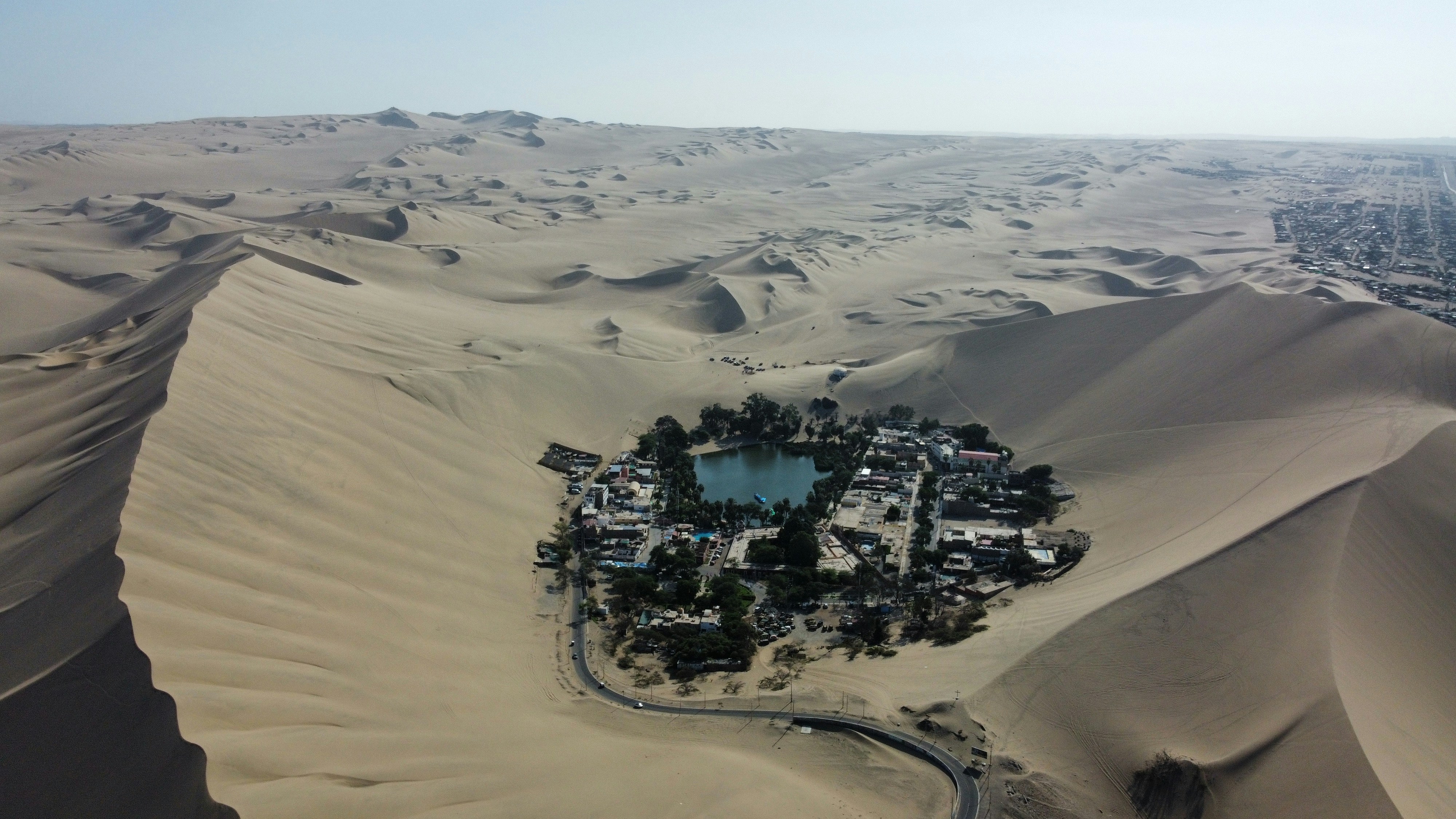
Introduction to Laayoune
Laayoune, the capital city of Western Sahara, serves as a pivotal center both geographically and culturally within the region. Situated near the Atlantic coast, Laayoune is nestled among the arid landscapes that characterize the Saharan terrain. Its strategic location provides not just access to maritime resources but also influences trade and cultural exchanges between the different peoples inhabiting this territory. Historically, Laayoune has been influenced by various civilizations and cultures, including Berber, Arab, and European, each leaving an indelible mark on the city’s development.
The significance of Laayoune extends beyond its urban boundaries. The city is often viewed as a vital oasis amidst the desert, with water sources playing a critical role in its establishment and growth. The name “Laayoune” itself etymologically translates to “the springs” in Arabic, highlighting the essential role of water in both the livelihood and survival of its inhabitants. This link to water sources is crucial for understanding the city’s evolution, reflecting its dependence on these natural resources to support agriculture, local industry, and overall urban life.
Culturally, Laayoune is a melting pot that showcases a blend of tradition and modernity. The city is home to various festivals and events that celebrate the rich heritage of the Sahrawi people, while simultaneously adapting to the contemporary dynamics of urban living. The vibrant blend of cultures here emphasizes the unique identity of Laayoune, as it navigates its historical roots and the aspirations of its diverse population. Understanding the geographical and cultural fabric of Laayoune provides a foundation for further exploration into its name and its significance as a desert oasis.
Etymology of ‘Laayoune’
The name ‘Laayoune’ is derived from the Arabic term ‘عين’ (pronounced as ‘ayoun’), which translates to ‘springs’ or ‘fountains’ in English. This nomenclature reflects the region’s essential elements, particularly its natural water sources, which play a pivotal role in sustaining both the ecosystem and the communities that dwell in this arid landscape. Historically, the springs have served as crucial hubs for settlement and agriculture, enabling people to thrive in a largely inhospitable environment.
Laayoune’s etymology indicates a deep connection between the inhabitants and the natural resources surrounding them. The term embodies the very essence of life-giving water that has shaped the socio-economic activities in the region. Springs provide crucial hydration not only for those residing in the area but also for livestock and agricultural pursuits, illustrating the interdependence of water resources and human survival.
Moreover, the springs that gave Laayoune its name are a geographic feature that has influenced trade routes throughout history. They have attracted travelers and merchants alike, fostering cultural exchanges and enriching the social fabric of the region. The name echoes the historical significance of these water bodies, illustrating how integral they have been to the development of the oasis.
As one analyzes the etymology of Laayoune, it becomes evident that the name is more than just a label; it encapsulates the life-sustaining characteristics of the region. This interplay between language and environment is reflective of broader themes in geography, where natural features significantly influence cultural identity. Understanding the etymology of Laayoune thereby offers a glimpse into the heart of this desert oasis, celebrating the springs that have defined it for centuries.
Historical Importance of Water Sources
The springs of Laayoune, nestled within one of the harshest climates on Earth, have played an indispensable role in shaping the history and cultural development of the region. For centuries, these natural water resources served as a vital lifeline for early settlers, enabling them to establish communities in an otherwise arid landscape. The availability of water not only supported human habitation but also fostered the growth of agriculture, which became crucial in a region predominantly defined by its desert surroundings.
The springs often acted as gathering points for nomadic tribes and settled populations alike. As these communities formed, they began to engage in trade and cultural exchanges, transcending their geographical isolation. The water resources facilitated agriculture and allowed inhabitants to cultivate crops, ultimately contributing to food security and the economic sustainability of the local populace.
Moreover, the establishment of settlements near these springs became a focal point for social and political organization. The presence of water sources resulted in a concentrated population, which led to the evolution of intricate social structures and governance systems to manage the shared resource. Consequently, the history of Laayoune can be interpreted through the lens of its springs, revealing a complex tapestry of human adaptation and resilience amid environmental extremes.
In addition to enabling agriculture and trade, the springs influenced migration patterns across the Sahara, becoming critical waypoints for caravans journeying through the desert. Over time, these water sources also attracted attention from colonial powers, further altering the socio-political landscape of the region. Today, the historical significance of the springs of Laayoune extends beyond mere survival; they stand as a testament to human ingenuity and the profound impact of natural resources on the development of civilization in challenging environments.
The Role of Springs in Local Life
The springs of Laayoune hold immense significance in shaping the daily life of the surrounding communities. Located in a predominantly arid landscape, these natural water sources are vital for sustaining agriculture, providing drinking water, and supporting local ecosystems. The reliability of the springs has historically dictated settlement patterns, making them essential hubs for human activity.
One of the most profound impacts of the springs is their role in agriculture. The availability of freshwater from these springs allows for the cultivation of various crops, transforming the arid desert into fertile land. Local farmers have depended on these springs for irrigation, adapting their farming practices to enhance yield and sustain livelihoods. This reliance has fostered traditional agricultural techniques, which are passed down through generations, thus embedding the springs into the cultural and agricultural identity of the region.
Moreover, the community’s connection to the springs extends beyond mere survival; they are part of local customs and practices. Celebrations and rituals often revolve around these indispensable water sources, symbolizing life and sustenance. The springs also contribute to the local economy, attracting visitors who seek to experience their natural beauty and historical significance. This interaction enhances both the community’s pride in its heritage and the economic vitality through ecotourism.
Furthermore, the springs play a crucial role in sustainability, as they not only support human life but also maintain the local flora and fauna. The preservation of these water sources is critical in combating desertification and ensuring ecological balance. In essence, the springs of Laayoune are intertwined with every aspect of local life, from agriculture and traditions to environmental stewardship, underscoring their pivotal role in the sustainability of the community.
Modern Water Management Solutions
The continuous increase in population and demand for water resources in Laayoune has necessitated the adoption of advanced water management solutions. In response to this challenge, modern engineering innovations, primarily in the field of desalination, have emerged as vital components in ensuring the sustainability of water supply for the region. Desalination technology allows for the conversion of seawater, readily available along the Atlantic coast of Laayoune, into potable water, thus addressing the limitations of traditional groundwater sources.
Over the last decade, Laayoune has seen the establishment of several desalination plants equipped with cutting-edge technology that improve efficiency and reduce operational costs. These facilities utilize processes such as reverse osmosis, which effectively removes salt and other impurities from seawater, thereby making it suitable for human consumption and agricultural use. The successful implementation of these plants has significantly reduced the region’s reliance on dwindling groundwater aquifers, which have suffered from over-extraction and depletion.
Moreover, accompanying our focus on desalination is the commitment to integrate renewable energy sources within these water management strategies. Solar power, in particular, plays a crucial role in powering many desalination facilities in Laayoune, further enhancing the sustainability of the water supply chain. By harnessing the region’s abundant solar energy, these plants can operate with lower carbon footprints, contributing positively to environmental conservation efforts.
In addition to technological advancements, collaborative efforts among local authorities, government agencies, and private stakeholders have been instrumental in promoting effective water management. These partnerships foster the sharing of knowledge and resources, ensuring that Laayoune can adapt to future challenges and maintain a reliable water supply for its residents.
Impact of Desalination Technology
Desalination technology has emerged as a pivotal solution in addressing the water scarcity challenges faced by coastal cities, including Laayoune. As a desert oasis, Laayoune’s growth has been severely constrained by limited freshwater resources; however, advancements in desalination processes have brought about a transformative change. Desalination involves the removal of salts and minerals from seawater, rendering it suitable for human consumption and agricultural use. Various methods exist, with reverse osmosis and thermal distillation being the most prevalent.
Reverse osmosis is a widely recognized technique which employs semi-permeable membranes to separate salt from water. Its effectiveness lies in its ability to produce high-quality potable water with a relatively low energy footprint compared to other methods. Recent innovations have further enhanced the efficiency of reverse osmosis plants by reducing energy consumption and operational costs, making it a viable option for regions like Laayoune.
On the other hand, thermal distillation harnesses heat to evaporate seawater, condensing the vapor to obtain freshwater. While this method is less common due to its higher energy demands, it remains relevant in specific circumstances where energy is abundantly available or waste heat can be utilized. Additionally, hybrid systems that integrate both reverse osmosis and thermal processes are being explored for their potential to optimize water production.
The implications of desalination technology for urban growth and sustainability in Laayoune are substantial. By providing a reliable source of clean water, desalination has the potential to fuel agricultural expansion, support population growth, and enhance overall quality of life. However, the environmental impact of desalination, such as increased carbon emissions and the disposal of brine, necessitates careful management to ensure that the benefits outweigh the costs. Thus, integrating desalination into a broader sustainable water management strategy is crucial for the future of Laayoune.
Challenges of Water Supply in Arid Environments
The region surrounding Laayoune, characterized by its desert landscape, faces significant challenges in ensuring a consistent and reliable water supply. The major hurdle stems from its arid climate, which is defined by limited rainfall and excessive evaporation rates. This precarious balance leads to the over-exploitation of existing water resources, making sustainable management imperative. In this context, climate change further exacerbates the situation, with rising temperatures and altered precipitation patterns posing serious threats to water availability.
Climate change’s impact is multi-faceted, with studies indicating that many arid regions are likely to experience increased drought frequency and severity. For Laayoune, this means that traditional water sources may become scarce, necessitating the reliance on alternative solutions. Groundwater, which is often tapped to supplement potable water supplies, faces depletion due to over-extraction. The once-reliable aquifers may no longer provide adequate flows, leading to heightened competition among agricultural, industrial, and domestic water users.
Moreover, resource management plays a crucial role in addressing these water supply challenges. Efficient irrigation methods are essential in agricultural practices dominant in the region. Implementing advanced technologies such as drip irrigation can minimize water wastage and ensure that crops receive the necessary hydration without depleting local resources. Policymakers must prioritize integrated water resource management strategies that encourage the conservation of this vital resource while promoting sustainability.
In a region like Laayoune, the establishment of policies that promote the use of recycled water, rainwater harvesting, and the development of desalination plants presents viable alternatives to secure water availability. Addressing the challenges of water supply in arid environments, particularly in the face of climate change, necessitates comprehensive and forward-thinking approaches to resource management that ensure water security for future generations.
Future of Water Sources in Laayoune
As the population of Laayoune continues to grow, the demand for sustainable water sources becomes increasingly critical. The future of water resource management in this desert oasis must address multiple challenges, including climate change, population growth, and the pressing need for technological innovation. To meet these challenges, stakeholders will need to adopt a multifaceted approach that prioritizes both efficiency and sustainability.
Innovations in water extraction and purification technologies hold promise for improving the availability of this essential resource. For instance, advancements in desalination technology can convert seawater into potable water, effectively augmenting the existing water supply. Emerging methods of water recycling and rainwater harvesting can also contribute significantly to local water reserves. The introduction of these technologies will not only help alleviate water scarcity but will also reduce reliance on traditional water sources, which may be under increasing stress due to environmental changes.
Furthermore, community engagement will play a crucial role in the future management of water resources in Laayoune. It is essential that local populations have a voice in decision-making processes and that their needs are considered in water management strategies. Implementing educational programs can raise awareness about water conservation and empower residents to contribute actively to sustainable practices. This community-driven approach promotes a culture of stewardship that is vital for preserving the fragile ecosystem of the region.
In conclusion, the future of water sources in Laayoune is likely to hinge on the integration of innovative technologies, effective management practices, and community involvement. By adopting such strategies, Laayoune can work towards a more sustainable and resilient future in terms of water resource availability, ensuring that both current and future generations benefit from this vital resource.
Conclusion and Reflection
The springs of Laayoune play a critical role in the history and development of this desert oasis, serving not only as a vital natural resource but also as a symbol of resilience and community. Historically, these springs have been essential for sustaining life in a region characterized by arid conditions, providing water for drinking, irrigation, and daily activities. The presence of these water sources facilitated the establishment of communities, enabling agricultural practices that might otherwise be impossible in a desert environment.
In modern society, the significance of Laayoune’s springs extends beyond their immediate functionality. They represent a cultural heritage that underscores the adaptability of human beings in the face of environmental challenges. The continued reliance on these water sources highlights the importance of sustainable management practices to ensure that they remain available for future generations. Moreover, as urbanization and climate change increasingly impact water availability, the springs of Laayoune remind us of the necessity of preserving natural resources as a foundation for community resilience.
Moreover, the springs symbolize a connection between the past and present, reflecting the enduring relationship between the inhabitants of Laayoune and their environment. This relationship emphasizes the importance of water not only as a physical resource but also as a unifying element that fosters social cohesion and collective identity. The springs have thus emerged as a focal point for both historical reflection and contemporary discourse on sustainability and resource management.
In conclusion, the springs of Laayoune encapsulate the essence of life in the desert, reminding us of water’s pivotal role in shaping communities and supporting resilience against the backdrop of an ever-evolving natural landscape.