
Introduction to Laayoune: Beyond the Ordinary
Laayoune, the capital of the disputed territory of Western Sahara, serves as an intriguing intersection of cultures, reflecting its rich historical tapestry. Known for its distinctive blend of Berber, Arab, and Spanish influences, Laayoune stands out as a city that narrates tales of colonial encounters and resilient identities. Established as a Spanish colonial outpost, Laayoune’s significance is underpinned by its colonial past, which has left a lasting imprint on its architecture, culture, and social dynamics.
Understanding Laayoune’s architectural legacy is imperative for those seeking to grasp the essence of the region. The Spanish colonial period, which began in the late 19th century, drastically reshaped the urban landscape and cultural identity of Laayoune. This era saw the establishment of colonial buildings designed to serve administrative and residential purposes, many of which still stand today, showcasing a distinct architectural style that merges European and local influences. These structures not only serve as historical landmarks but also as symbols of the complexities of colonialism and its long-term effects on local populations.
From the distinctive balconies and wide-open plazas to the colors and materials utilized in building facades, Laayoune’s architecture tells stories of varying cultural exchanges and adaptations. As visitors explore its streets, they are reminded of the intricate histories embedded within these structures. A proper understanding of Laayoune, therefore, requires a consideration of these historical narratives, as they provide valuable insights into the region’s identity and cultural resilience.
As we delve deeper into Laayoune’s Spanish architectural legacy, it becomes clear that the city is much more than a mere geographical location; it is a living testament to the rich history that continues to shape the lives of its inhabitants.
A Historical Overview of Spanish Influence in Laayoune
Laayoune, a city located in the Moroccan region of Western Sahara, has a rich historical tapestry woven with the threads of Spanish colonial influence. The Spanish presence in this area began in the late 19th century, primarily as a result of the scramble for Africa, where European powers sought to expand their territories. In 1884, Spain formally claimed Western Sahara as a protectorate, motivated by both geopolitical strategies and economic ambitions.
Initially, Spain aimed to establish control over the rich mineral resources found within the region, along with fostering new trade routes across the Atlantic. Laayoune was established as a strategic port; its location allowed for coordinated efforts in maritime trade and control over neighboring territories. The Spanish administration focused on constructing essential infrastructures, including roads, schools, and health institutions, which contributed to the urban development of Laayoune.
One significant event that shaped Laayoune’s evolution was the signing of the Treaty of Fez in 1912, which formalized the division of Morocco between Spanish and French colonial forces. This agreement not only marked Laayoune as a Spanish enclave but also laid the groundwork for the socio-political dynamics of the region. The Spanish social policies often resulted in the marginalization of local Sahrawi populations, leading to tensions that would last for decades.
Furthermore, the Spanish colonial era witnessed significant cultural exchanges, as the Spanish brought their architectural styles, language, and customs to Laayoune. The legacy of this influence remains evident in the city’s urban landscape today, showcasing a fusion of Moroccan and Spanish architectural elements. These buildings served not just as shelters but as symbols of the historical complexity surrounding Laayoune. The impact of Spanish colonial ambition during this transformative period is still a subject of academic study and local reflection, illustrating the lasting impressions of colonialism on contemporary Moroccan society.
The Colonial Quarter: An Architectural Journey
The Colonial Quarter, also known as the Lower Town of Laayoune, serves as a remarkable testament to the historical interplay between Spanish colonial influence and Moroccan culture. Its layout reflects a unique blend of architectural styles, creating an intriguing urban space that showcases this distinctive era. As one traverses the cobbled streets, it becomes apparent that the Colonial Quarter is meticulously structured, with wide avenues and public squares arranged in a way that facilitates both flow and community gathering.
Central to the Colonial Quarter’s charm are its key features, which include charming plazas adorned with traditional Moroccan mosaics, colorful tiled facades, and wrought-iron balconies. These elements underline the coexistence of Spanish and Moroccan styles, revealing a narrative of cultural interchange. The combination of stucco walls with intricate patterns is not merely decorative; it tells the story of the various phases of colonial expansion and the adaptation of European designs to fit local aesthetics.
Exploring the public spaces within the Colonial Quarter further exemplifies this architectural journey. The main plaza often serves as a focal point for community life, where residents gather for markets and social events, enriching the experience of both locals and visitors. Architectural highlights, such as the former colonial administrative buildings, exhibit grand arches and tiled roofs reminiscent of Spanish architecture while incorporating regional motifs, reflecting a purposeful melding of identities.
Overall, Laayoune’s Colonial Quarter presents a fascinating canvas, where the remnants of Spanish colonial architecture intersect with Moroccan cultural identity. This architectural journey reveals the stories etched in every wall and cobblestone, inviting exploration and appreciation of Laayoune’s rich historical legacy.
St. Francis of Assisi Cathedral: A Cultural Landmark
The St. Francis of Assisi Cathedral, located in Laayoune, stands as a significant testament to the region’s colonial history and cultural intermingling. Constructed during the Spanish colonial era in the early 20th century, this cathedral exemplifies the fusion of European and North African architectural elements. The building features a combination of modernist designs blended with traditional materials, creating an aesthetic that is both unique and reflective of Laayoune’s diverse heritage.
Architecturally, the cathedral showcases distinctive elements such as arched windows, terracotta roof tiles, and intricate stone carvings that echo the stylistic preferences of Spanish architecture while adapting to the local climate and environment. The towering bell tower, which can be seen from various points around the city, serves as a reminder of the cathedral’s central role in the community. Its striking facade and ornate interior have made it a focal point of worship and cultural gatherings, reinforcing its status as a vital landmark in Laayoune.
Throughout its history, St. Francis of Assisi Cathedral has not only functioned as a house of worship for the Catholic community, but it has also become a symbol of coexistence among various cultural groups in the area. It plays a crucial role in local festivities and social events, fostering a sense of unity and shared identity among residents, regardless of their religious affiliations. Today, the cathedral continues to operate, welcoming visitors and parishioners alike, who come to appreciate its historical significance and architectural beauty.
Exploring Old Government Buildings: Echoes of Power
The old government buildings in Laayoune stand as magnificent relics of the colonial governance that once dominated the region. These structures, primarily designed and constructed during the Spanish colonial period, exemplify distinctive architectural styles that echo the power dynamics of their time. Within Laayoune, these buildings not only serve as landmarks but also communicate the historical narrative of a complex colonial past.
The architectural style of these government edifices often incorporates elements typical of Spanish influence, blending practical functionality with aesthetic appeal. Characterized by their thick walls and ornate facades, buildings such as the former Governor’s Palace showcase the traditional Spanish neo-Mudéjar style which integrates Islamic and Spanish architectural forms. Such designs were adeptly suited to the arid climate of the Sahara, providing cooling in the intense heat while offering a visual representation of authority and permanence.
Moreover, these structures were strategically located, symbolizing the governance and control exerted by colonial powers over the indigenous population. The style and arrangement of these buildings reflect not only an architectural choice but also a conscious decision to assert dominance and influence. The facade of these properties often features large archways and tiled rooftops, which are reminiscent of the architectural language used in Spain, thereby reinforcing a cultural continuity aimed at legitimizing colonial authority.
In examining these historical sites, it becomes evident that they serve as important reminders of the administrative structures that governed Laayoune during the colonial era. They encapsulate a sense of nostalgia for the past, while simultaneously prompting important discussions about post-colonial identity and heritage in contemporary Morocco. These government buildings are more than mere physical structures; they represent the enduring echoes of a colonial past that continue to resonate within the modern landscape of Laayoune.
Moroccan and Spanish Influences: A Unique Architectural Identity
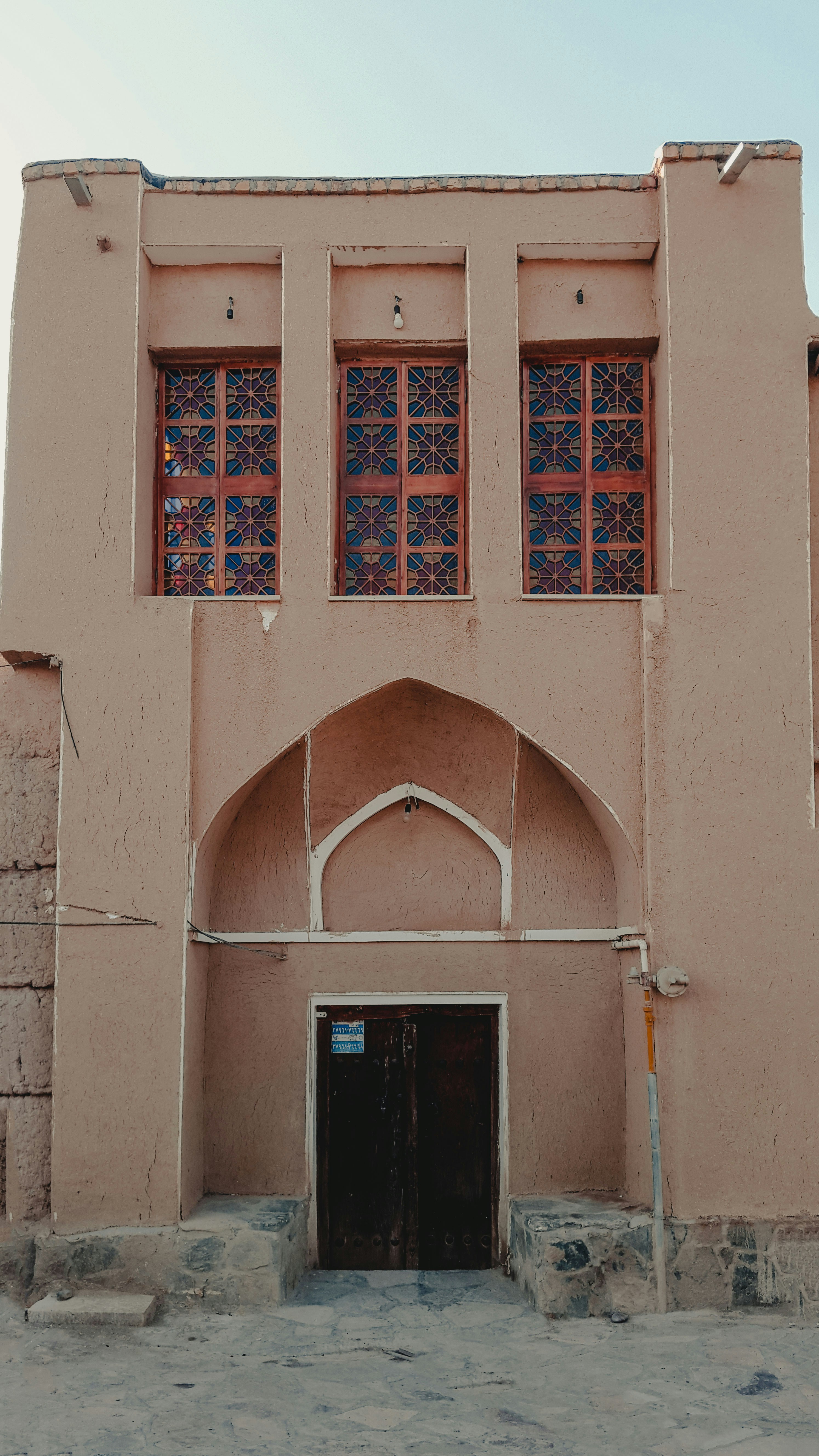
Laayoune, a city located in the Western Sahara, serves as a fascinating canvas where Moroccan and Spanish architectural styles merge, creating a unique identity that is both historical and contemporary. The city’s landscape is characterized by a rich tapestry of architectural elements that reflect its colonial past and the enduring influences of Berber and Islamic design. One of the most prominent features of Laayoune’s architectural ethos is the use of traditional Moroccan materials such as mudbrick and stucco. These elements are harmoniously integrated with Spanish motifs that can be seen in the use of ceramic tiles and wrought iron. This combination not only enhances the aesthetic appeal but also speaks to the practical needs of the region’s climate, wherein thick walls provide insulation against intense heat.
Specific design elements, such as arches and intricate tile work, can be observed as quintessential characteristics of this hybrid architecture. The horseshoe arch, prevalent in Islamic structures, adorns many buildings in Laayoune, while the decorative tiled patterns often echo Spanish Gothic and Mudejar influences. The interplay of light and texture created by these design features results in a visual charm that invites exploration of the city’s streets.
Moreover, the layout of Laayoune showcases a blend of both Moroccan kasbah-style fortifications and Spanish urban planning principles. The winding streets and plazas often resemble traditional Moroccan medinas, complete with vibrant souks, while the incorporation of wider avenues and public squares reflects colonial-era Spanish planning. This synthesis of architectural styles not only creates a distinctive atmosphere, setting Laayoune apart from other Moroccan cities, but also serves as a reminder of its complex historical narrative where two cultures have coexisted and shaped each other. In essence, the architectural identity of Laayoune is a celebration of its Moroccan roots infused with the charm of Spanish influences, making it a unique point of interest for both locals and visitors alike.
Wandering the Wide Boulevards: A Walking Tour
Exploring the Colonial Quarter of Laayoune provides visitors with a unique opportunity to immerse themselves in the region’s rich history and vibrant local culture. The wide boulevards, reminiscent of Spanish colonial architecture, beckon travelers to wander at their leisure. A recommended walking route begins at the Plaza de la Constitución, the heart of the colonial district.
As you stroll down Avenue Mohammed V, you’ll encounter impressive colonial buildings that remind visitors of the area’s historical ties to Spain. Take time to appreciate the intricate facades and unique architectural features that exhibit the blend of Spanish and Moroccan styles. Here, the history of colonial influence is on display, showcasing the significance of various structures over the years.
Next, divert onto Rue des Martyrs, where local artisans showcase their crafts. This alleyway serves not only as an artistic highlight but also as a social hub where community life thrives. Engage with local vendors, and witness traditional crafts being brought to life. The atmosphere here encapsulates the spirit of Laayoune, merging tradition with modernity.
Continue your journey down the tranquil Boulevard de la Résistance, lined with palm trees and cozy cafes, where you can take a moment to relax and savor local delicacies. This area offers a perfect balance of leisure and exploration, allowing you to observe local interactions and perhaps enjoy a refreshing glass of mint tea.
Finally, conclude your walking tour at the grand Laayoune Cathedral, a landmark of colonial history that still serves as a spiritual center in the community. Its stunning architecture is a fitting end to a day of exploration, epitomizing the blend of cultures that define Laayoune.
Cultural Perspectives: The Community Within the Architecture
The architecture of Laayoune not only symbolizes a bygone era of colonial influence but also serves as a testament to the cultural identity of its residents. Through interactions with locals, one can unearth rich narratives that intertwine personal experiences with the built environment. Indeed, the Spanish colonial structures, characterized by their unique aesthetic, evoke a sense of belonging and pride among the community.
During conversations with long-term residents, many expressed nostalgia for childhood memories associated with these buildings. For instance, a local shopkeeper reminisced about family gatherings held in the plaza adjacent to a prominent colonial structure. “These buildings have been our backdrop for celebrations and daily life, embodying our history and the stories we share,” she noted. This sentiment resonates deeply with Laayoune’s inhabitants, who view their architectural surroundings as integral to their community identity.
Moreover, the unique architectural features, such as colorful tiles and ornate facades, reflect a blend of indigenous and Spanish influences. A community elder emphasized this aspect, stating, “Each element of our architecture tells a story of our past—of resilience, adaptation, and the fusion of cultures. It’s a representation of who we are as a people.” Such sentiments are shared widely among Laayoune residents, highlighting an emotional connection that fosters a collective responsibility to preserve these historical edifices.
The emotional ties that the community forges with the architecture of Laayoune reveal deeper layers of cultural significance. For many, these structures are more than just buildings; they are symbols of survival and continuity in the face of change. They inspire pride and serve as a reminder of the diverse cultural tapestry that shapes the identity of the city. The narratives shared by local residents elevate the appreciation for Laayoune’s architectural legacy, illustrating how the past continuously echoes in the community’s present.
Conclusion: Embracing Laayoune’s Dual Heritage
In summarizing our exploration of Laayoune’s architectural footprint, it is evident that this city stands as a compelling symbol of cultural amalgamation. The remnants of Spanish colonial architecture interlace seamlessly with the vibrant Moroccan environment, creating a unique visual and historical narrative. Laayoune’s buildings tell stories of a past steeped in diverse influences, reflecting a mosaic of architectural styles that attract both historians and curious travelers alike.
Recognizing the dual heritage of Laayoune is not simply an academic exercise; it serves to enrich our understanding of the region’s history and cultural evolution. The Spanish legacy, still palpable in the city’s design and urban layout, invites visitors to ponder the interplay of colonialism and tradition in shaping contemporary Moroccan society. Each structure in Laayoune, from the colonial government buildings to the local markets, showcases this dialogue between past and present.
We encourage those seeking a distinctive travel experience to venture to Laayoune. Engaging with its architecture provides invaluable insight into a layered history that is often overlooked. Travelers will find that the city’s unique blend of Moroccan warmth and Spanish formality creates an inviting atmosphere for exploration and reflection.
In conclusion, Laayoune offers an enriching experience characterized by its dual architectural heritage. Embracing this complexity not only enhances the appreciation of Laayoune but also encourages a broader understanding of Morocco’s diverse historical landscapes. As a destination, Laayoune beckons with the promise of discovery, making it a worthy addition to any travel itinerary for those interested in the colonial echoes of the Sahara.